

 English
  中文简体
中文简体  Français
  Español
  italiano



Tote Bag
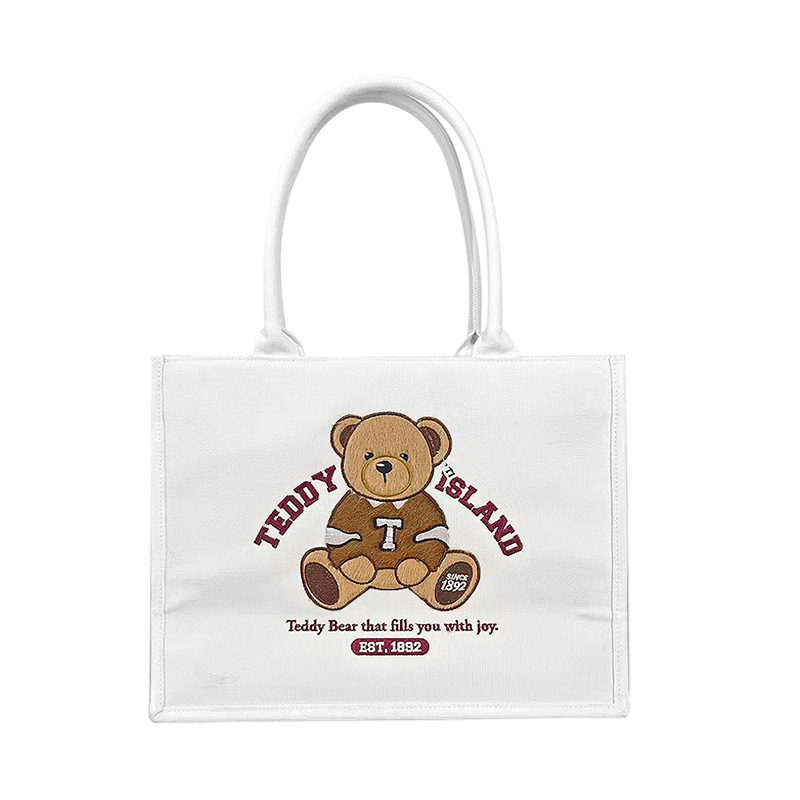
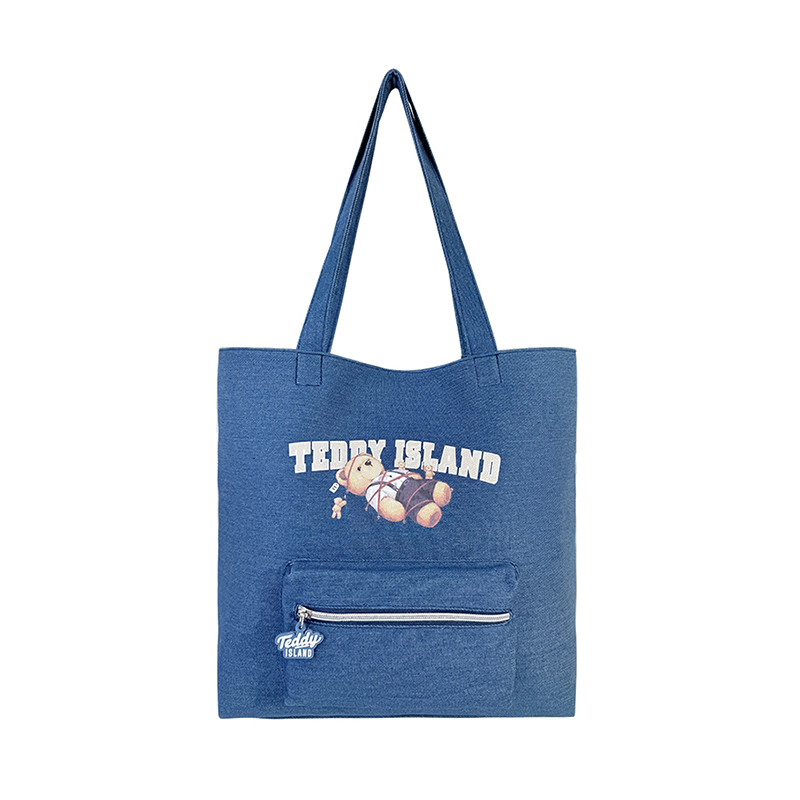
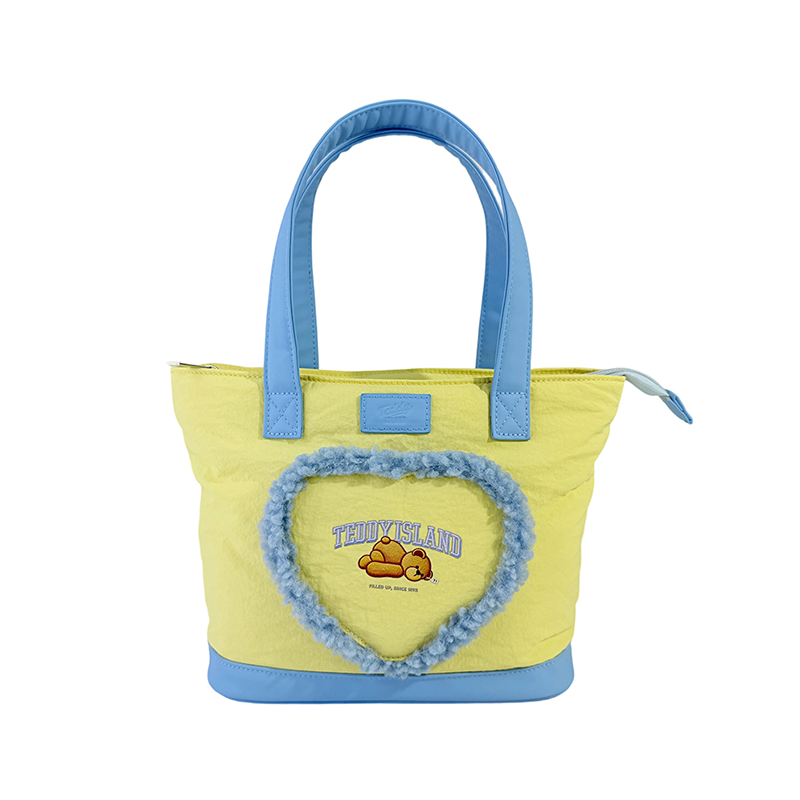
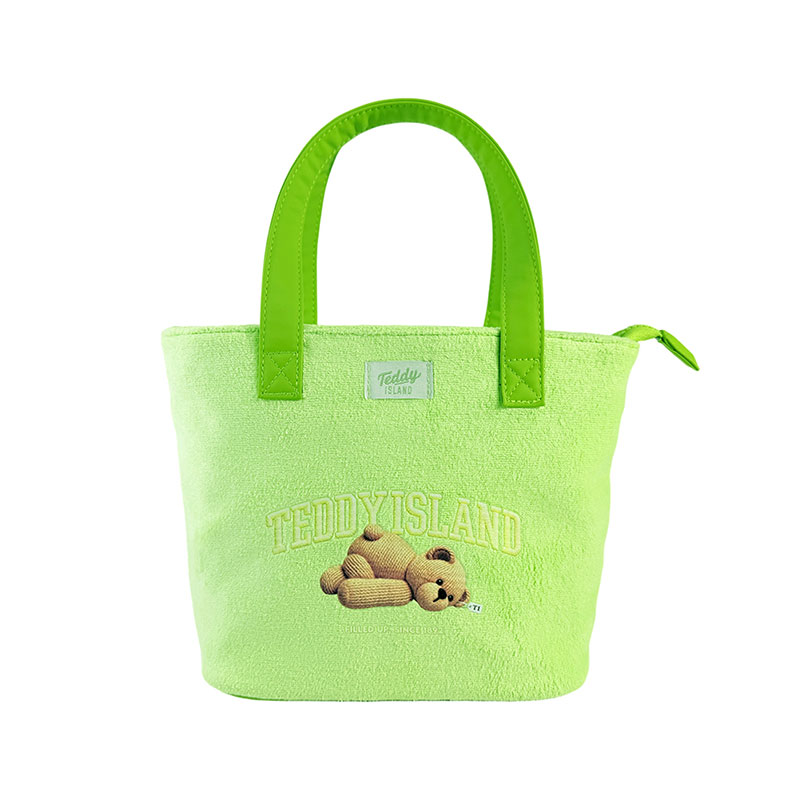
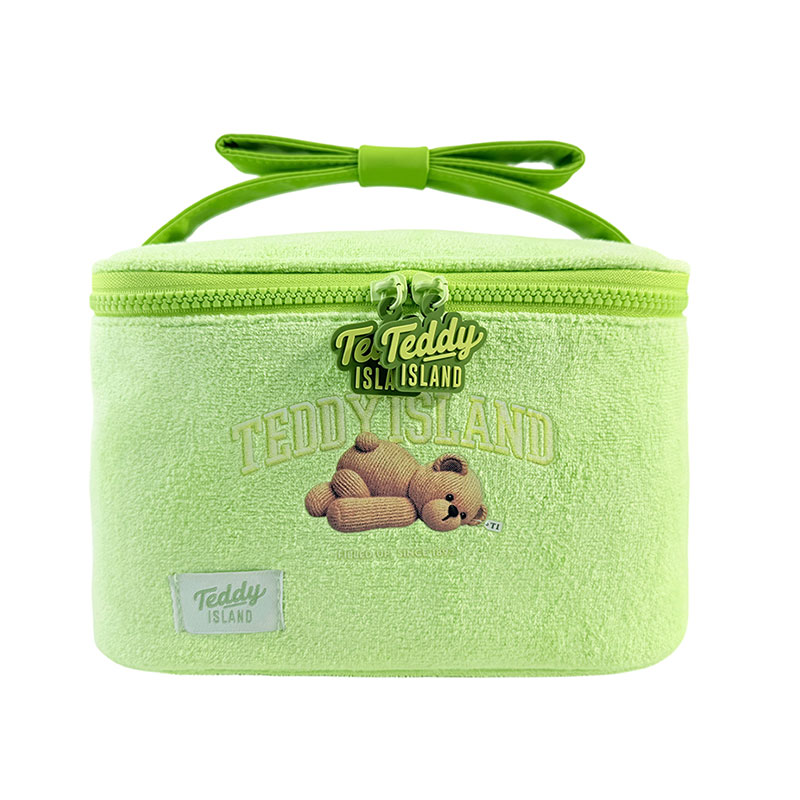
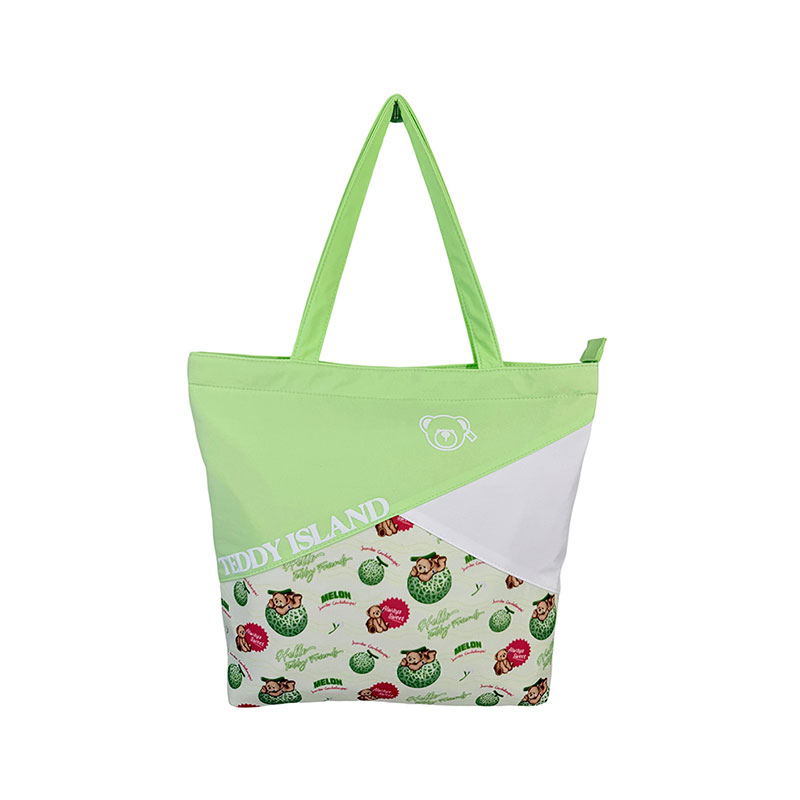
Tote bags are basically the go-to bag for getting things done — shopping, commuting, travel, school, work, running errands, whatever the day calls for. They're built simple: open top, one big main compartment, handles you can actually carry comfortably. That's it. No complicated zippers or compartments to fuss with, just grab your books, laptop, groceries, clothes, files, or whatever else and go.
There's a lot of variety within this category though. You've got casual totes, foldable ones that pack down small, canvas versions, polyester, Oxford fabric, reusable shopping bags, and totes made to order for specific uses. Depending on what you need it for, you can pick different materials, sizes, colors, handle lengths, closure types, extra pockets, or logo printing methods.
A tote that's actually good to use day after day needs a few things to line up — it has to hold weight without falling apart, stay light enough that carrying it isn't a chore, and look decent while doing both. Solid stitching, handles that are reinforced properly, fabric that doesn't wear thin after a few months, clean finishing on the seams — these are the details that actually matter once you're using the bag regularly instead of just looking at it on a shelf. That's really what separates a tote you'll keep using from one that ends up in the back of a closet after a few weeks.
About Us
Zhejiang Yisen Bags Co., Ltd. was established in 2010, and is a national high-tech enterprise and a technology and medium-sized enterprise in Zhejiang Province. It has maintained long-term technology development cooperation with the Yiwu Research Institute of Zhejiang University of Technology, and has been rated as a national Class A taxpayer for many years. The headquarters is located in a small commodity distribution center, which is the largest one in the world-Yiwu City.
ISEN as professional custom Daily Use Tote Bag and OEM/ODM casual tote bag manufacturer & supplier, specializing in the production and sales of various types of bags, outdoor products, pet products and other bags, it has an industrial park of more than 30,000 square meters; has a R&D, design, sales and production team of more than 500 people, and has several inventions and technical practical patents; It has global certifications such as GRS, BScI, ISO9001:2015, etc.
Certificate
-
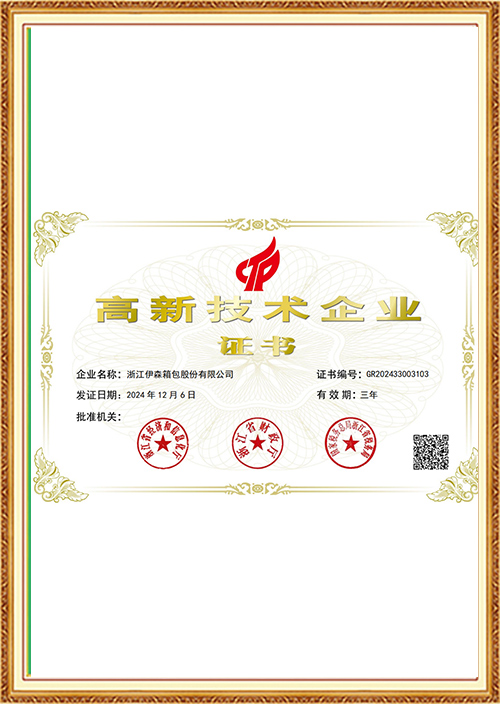 High-tech Enterprise Certificate
 -
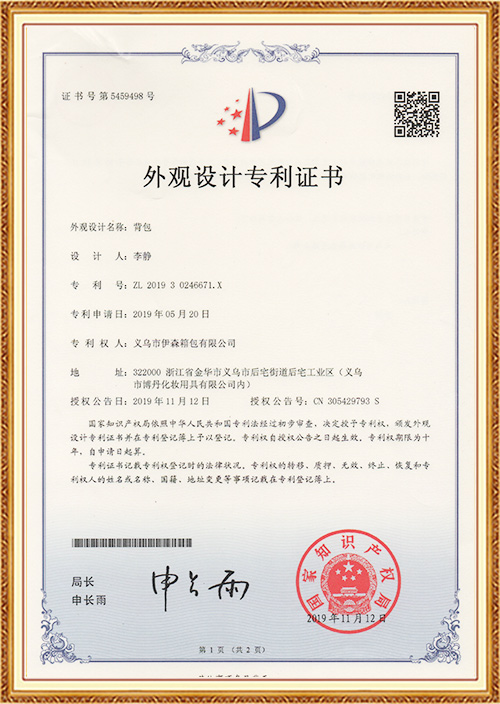 Appearance Patent Certificate
 -
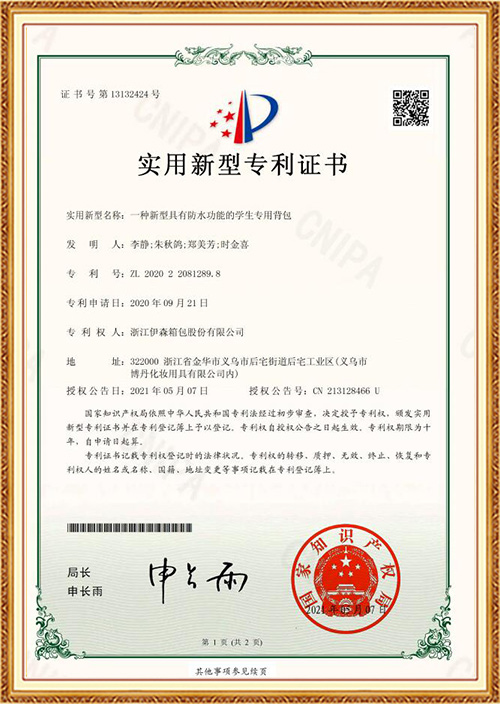 Utility Model Patent Certificate
 -
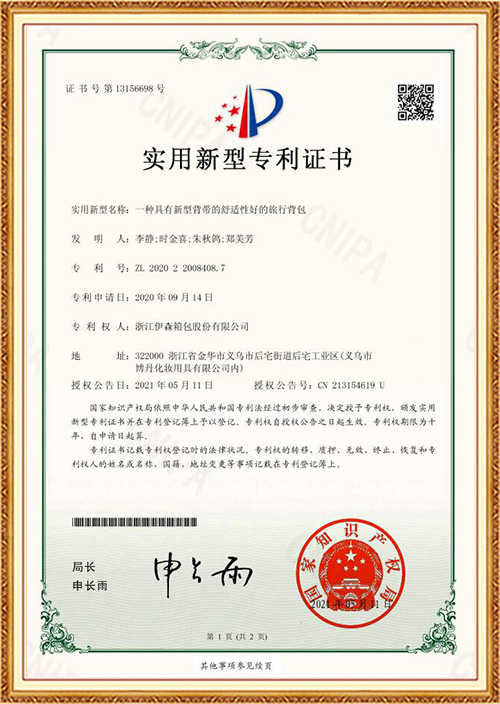 Utility Model Patent Certificate
News
-
Industry News 2026-10-23
Travel bags fall into two broad groups. One collapses into a small package once ...
View More -
Industry News 2026-10-16
Bags closed by simple cords keep showing up in ordinary routines because the des...
View More -
Industry News 2026-10-09
A canvas cosmetic bag can look great on a shelf and still turn into a headache o...
View More -
Industry News 2026-10-02
Airport security can turn a simple packing routine into a moment that genuinely ...
View More
Custom Tote Bags: Materials, Production Details, and Factory Quality Control
Tote bags have stuck around as one of the most popular bag types for a simple reason — they're easy to make, easy to use, and easy to reuse. There's no complicated structure to worry about. It's really just about getting the basics right: enough room to fit what you need, quick access without digging around, handles that don't dig into your shoulder, and a look that works across different situations.
When we're working on a custom tote bag order, looks are only part of the equation. What actually determines whether a bag holds up is the fabric strength, how solid the stitching is, whether the handles stay comfortable after repeated use, how clean the printing turns out, and whether every unit in the batch matches consistently. We've been making bags long enough to know these details are what separate a decent tote from one that customers end up complaining about. So when we take on a project, we look at how the bag will actually be used, who it's for, and what the brand is trying to achieve — then build the specs around that instead of just copying a template.
Material Choices for Custom Tote Bags
Material selection directly affects the style, durability, cost, and application of a tote bag. Different fabrics can create different product advantages.
| Material | Main Features | Suitable Applications |
|---|---|---|
| Canvas | Natural texture, strong body, durable feel | Casual tote bag, fashion tote bag, gift bag |
| Polyester | Lightweight, colorful, easy to print | Promotional tote bag, shopping tote bag |
| Oxford Fabric | Wear-resistant, stronger structure, optional water resistance | Daily use tote bag, travel tote bag |
| Non-woven Fabric | Light, economical, reusable | Event bag, retail packaging bag |
| Recycled Fabric | Eco-conscious, sustainable image | Green product lines, reusable shopping bags |
A suitable material should match the expected carrying weight, price range, appearance style, and printing method. For example, canvas is often selected for a premium casual look, while polyester is preferred when bright colors and lightweight performance are required.
Important Production Details of a Quality Tote Bag
A tote bag can look simple sitting on a shelf, but there's a lot going on underneath that determines whether it actually holds up. Since people are stuffing these things with books, laptops, groceries, paperwork, clothes — basically whatever they're carrying that day — the bag needs to handle repeated stress without falling apart at the seams.
A few things we pay close attention to during production:
The handle joints need reinforcement, otherwise they're the first thing to give out under weight. Stitching has to be tight and even — loose or uneven seams crack open eventually, especially at stress points. Fabric cutting needs to stay consistent across the batch, or you end up with bags that don't sit right or vary in shape from one unit to the next. If there's printing on the bag, the surface has to be smooth enough that the logo or design comes out clean instead of blotchy. Handle length matters more than people think too — too short and it's awkward for shoulder carry, too long and hand-carrying feels off. Edge finishing needs to be clean, both for how it looks and how long it lasts before fraying. And for bags meant to carry heavier loads, we'll usually add bottom reinforcement so the base doesn't sag or wear through.
At Yisen, we've been through enough sample rounds and production runs to know these small things aren't optional extras — they're what makes the difference between a tote that just looks fine and one that actually performs well after months of daily use. We keep an eye on all of this from the first sample straight through to mass production.
Customization Options for Tote Bag Production
Tote bags are highly flexible for customization because of their simple shape and large surface area. They can be designed for casual fashion, daily shopping, events, retail packaging, corporate promotion, or travel use.
Common customization options include:
| Custom Item | Available Options |
|---|---|
| Bag Size | Small, medium, large, oversized, customized dimensions |
| Fabric Weight | Lightweight, medium weight, heavy-duty fabric |
| Handle Design | Short handle, long shoulder strap, widened handle |
| Closure | Open top, zipper, snap button, magnetic button |
| Pocket Design | Inner pocket, zipper pocket, front pocket, side pocket |
| Logo Method | Screen printing, heat transfer, embroidery, woven label, rubber patch |
| Color | Standard fabric colors or customized Pantone colors |
| Packaging | Polybag, paper card, hangtag, customized packaging |
Through OEM/ODM production, the tote bag can be adjusted based on function, appearance, cost control, and market positioning. This makes tote bags one of the most adaptable products in the bag industry.
How a Factory Controls Tote Bag Quality
With custom tote bag orders, the tricky part isn't usually the design itself — it's keeping everything consistent once you're making hundreds or thousands of units. Even on a simple bag, small variations in stitching, printing, color, or size can add up and make the final batch look inconsistent if nobody's watching closely.
Here's roughly how we handle it on our end:
We start by checking the fabric before it ever gets cut — weight, color match, texture, any surface flaws. Catching a bad roll of fabric early saves a lot of headaches later. From there we move into sample development, where we nail down the size, structure, logo placement, sewing method, and make sure the bag actually functions the way it's supposed to before mass production starts.
Once cutting and sewing begins, we rely on stable templates and sewers who know what they're doing, so the shape and size don't drift from piece to piece. For logos, we pick printing or embroidery based on what the fabric can handle and how detailed the design is — not every method works on every material.
During production, we're checking stitching quality, handle strength, pocket placement, and general appearance as things move along rather than waiting until the end to find problems. Then before anything gets packed, there's a final check — looking at cleanliness, size accuracy, how the logo turned out, and whether packing meets what was agreed on.
It's not a flashy process, but going through these steps consistently is really what keeps a whole batch looking and performing the same, order after order.
Why Work Directly with a Tote Bag Factory
Going straight to a factory instead of a middleman usually makes product development faster and easier to manage. A factory that actually makes the bags can give you real input on materials, help adjust samples when something's not quite right, suggest structural tweaks, test different logo methods, and plan production based on what actually works on the floor — not just what looks good on paper.
At Yisen, here's what we typically bring to the table:
We handle both OEM and ODM work, so whether you've got your own design ready or need help developing one from scratch, we can work either way. We keep a decent range of fabric and accessory options on hand, and we support custom logos and packaging depending on what the project calls for. Our sewing team has been doing this long enough to keep output stable, even on repeat orders where consistency matters more than a one-off sample. Every batch goes through inspection before it ships out, and we can also work with eco-friendly or reusable materials if that's part of the brief. Whether it's a casual everyday tote, something for shopping, travel bags, or daily-use pieces, we adjust the development process to fit.
We've been making bags for years at this point, and the focus has always stayed the same — build totes that are practical, hold up over time, and can be adapted to whatever a client actually needs, rather than pushing a fixed template on every order.
Frequently Asked Questions
Got questions about customizing a tote bag? Here are answers to the stuff people usually ask before starting a project — covering materials, sizing, production, and quality.
1. What materials are tote bags usually made from?
You'll mostly see canvas, cotton, polyester, Oxford fabric, non-woven fabric, recycled fabric, or laminated materials. Canvas tends to hold up well and looks good doing it. Polyester's lighter and comes in more colors. Oxford fabric handles wear and tear better than most. And if you're going for something eco-friendly and reusable, recycled fabric is usually the way to go.
2. Can I put a logo on a tote bag?
Definitely — totes are actually one of the easier bags to brand because you've got a big, flat surface to work with. Depending on what you need, we can do screen printing, heat transfer, digital printing, embroidery, woven labels, leather patches, rubber patches, or hangtags. Which one works best really comes down to your fabric choice, how many colors are in the logo, how detailed the design is, and what look you're going for.
3. What sizes can a custom tote bag be made in?
Pretty much anything from small gift-sized bags to large totes meant for shopping or travel. It really depends on what you're planning to carry — books, a laptop, groceries, clothes, whatever. When we're sizing a bag, we're looking at width, height, gusset depth, and handle length together, not just picking a size off a chart.
4. What's the real difference between canvas and polyester totes?
Canvas feels thicker and more natural, and it gives off more of a casual, everyday style — that's why you see it a lot in fashion and retail. Polyester's on the lighter side, folds up easier, dries fast, and works well if you want brighter colors or you're doing something for a promo run. Which one makes sense really depends on your budget, how the bag's positioned, and what it's actually going to be used for.
5. How do you make a tote bag carry heavier loads without breaking down?
A few things help — using stronger fabric to start, reinforcing where the handles attach, going with wider handles, tightening up the stitching, and adding reinforcement at the bottom where weight puts the most stress. If a bag's meant to carry something heavy, the handle joints and base are really the two spots that need the extra attention.
6. Can you add zippers or pockets to a tote?
Yes, that's pretty common actually. We can build in zipper closures, snap buttons, magnetic closures, inner zip pockets, open pockets, front or side pockets, even a laptop compartment if that's needed. These extras make a tote a lot more practical for commuting, office use, or just staying organized during travel.
7. How does Yisen actually control quality on these?
We check things at every stage — fabric before cutting, samples before mass production starts, then cutting accuracy, sewing quality, how the logo turns out, and a final inspection before packing. Along the way we're specifically watching for stitching strength, whether the handles hold up, if sizes stay accurate, and how clean the printing or embroidery looks.
8. What kinds of tote bags can Yisen actually make?
We cover a pretty wide range — canvas totes, casual everyday totes, shopping bags, foldable ones, zippered totes, Oxford fabric bags, daily-use totes, eco-friendly options, promotional totes, and custom OEM/ODM projects built around whatever a client needs.


Copyright © Zhejiang Yisen Bags Co., Ltd. All Rights
Reserved
Tote Bag Factory
