

 English
  中文简体
中文简体  Français
  Español
  italiano



Waist Bag
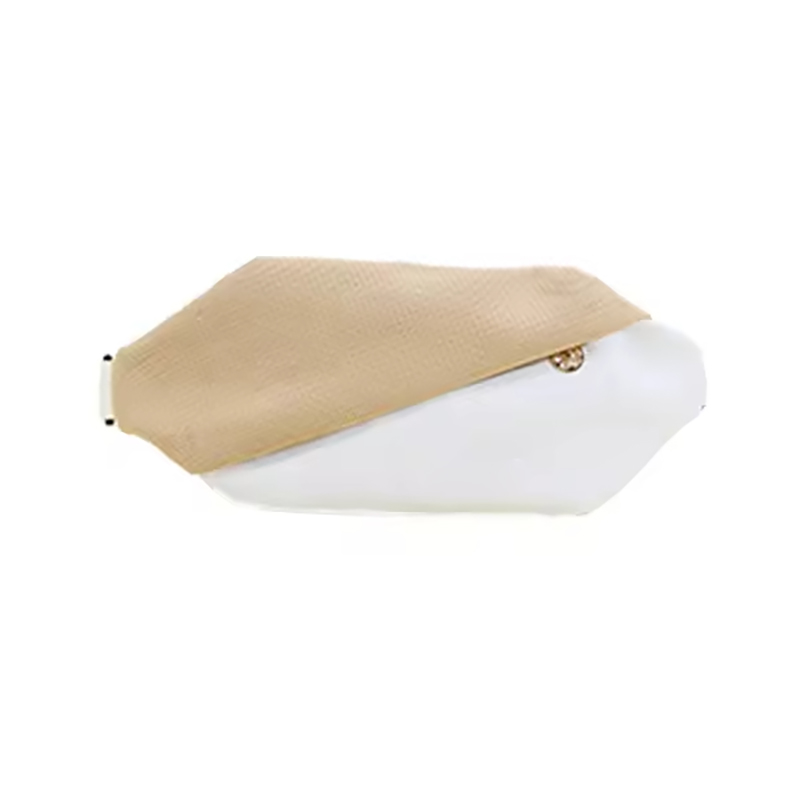
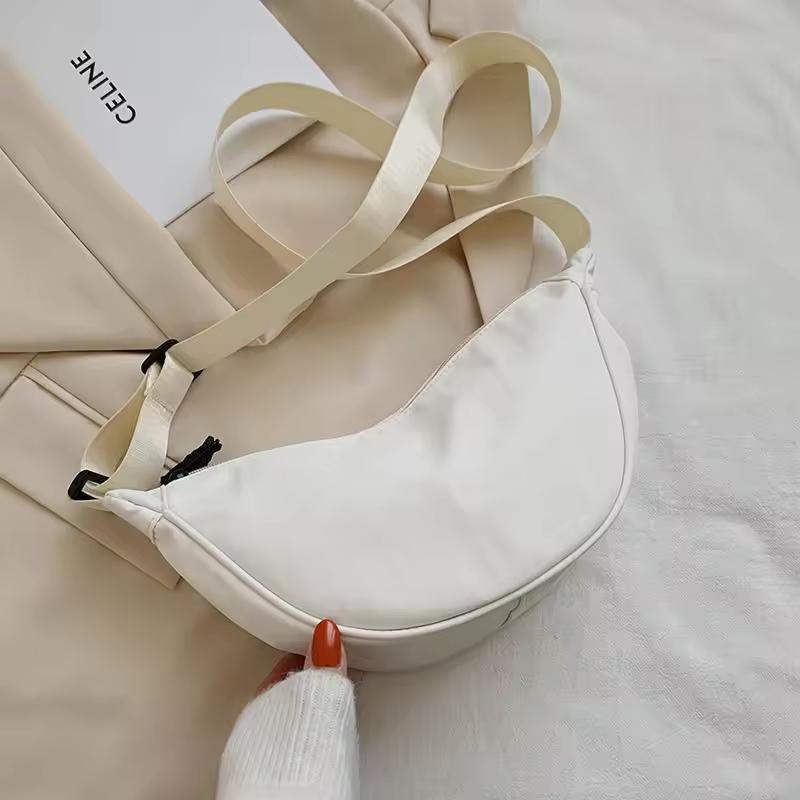
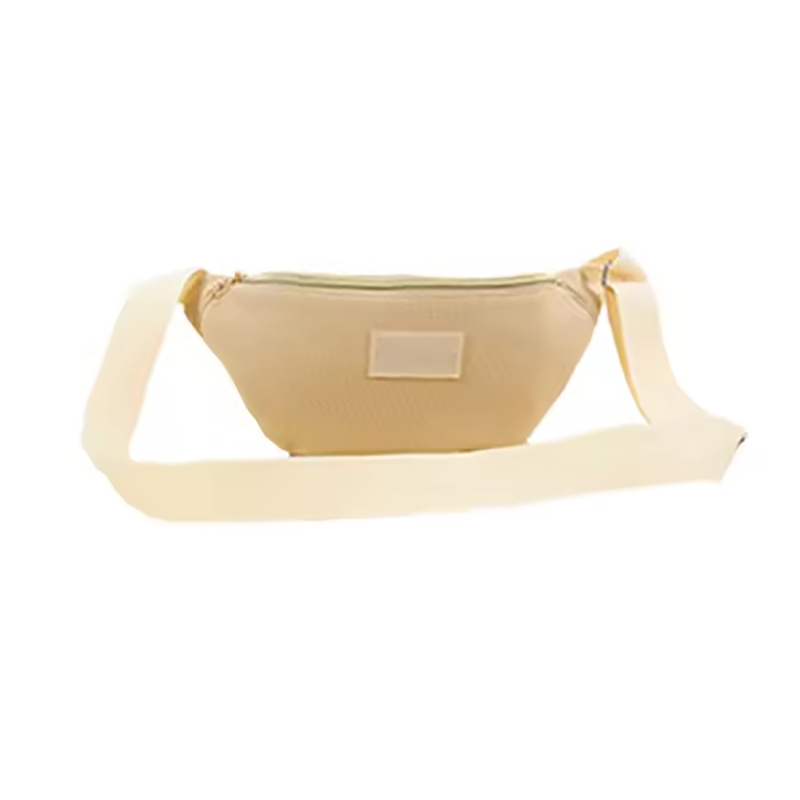
We make waist bags meant for practical, hands-free carrying — whether that's daily errands, travel, sports, or general outdoor use. As a waist bag manufacturer and supplier, our range covers a few different design directions, but they all aim for the same thing: something compact, comfortable to wear, and useful enough to actually reach for.
Materials vary depending on the project — polyester, nylon, canvas, or other fabrics we can source based on what's needed. Most of these bags end up carrying the usual small items — phone, wallet, keys, cards — so pocket layout and strap fit matter more than they might seem to at first glance. Adjustable straps keep things stable while moving around, and pockets are placed so items stay easy to grab without digging through the whole bag.
On the production side, we support OEM and ODM work — adjusting materials, colors, sizes, compartments, zipper styles, straps, or adding logos depending on what a brand or project calls for. With production experience built up over time and quality checks kept fairly strict throughout, we're able to handle custom waist bag orders across travel, outdoor, promotional, fashion, and everyday-use categories.
About Us
Zhejiang Yisen Bags Co., Ltd. was established in 2010, and is a national high-tech enterprise and a technology and medium-sized enterprise in Zhejiang Province. It has maintained long-term technology development cooperation with the Yiwu Research Institute of Zhejiang University of Technology, and has been rated as a national Class A taxpayer for many years. The headquarters is located in a small commodity distribution center, which is the largest one in the world-Yiwu City.
ISEN as professional custom Waist Bag Nylon and OEM/ODM Waist Bag Manufacturer, specializing in the production and sales of various types of bags, outdoor products, pet products and other bags, it has an industrial park of more than 30,000 square meters; has a R&D, design, sales and production team of more than 500 people, and has several inventions and technical practical patents; It has global certifications such as GRS, BScI, ISO9001:2015, etc.
Certificate
-
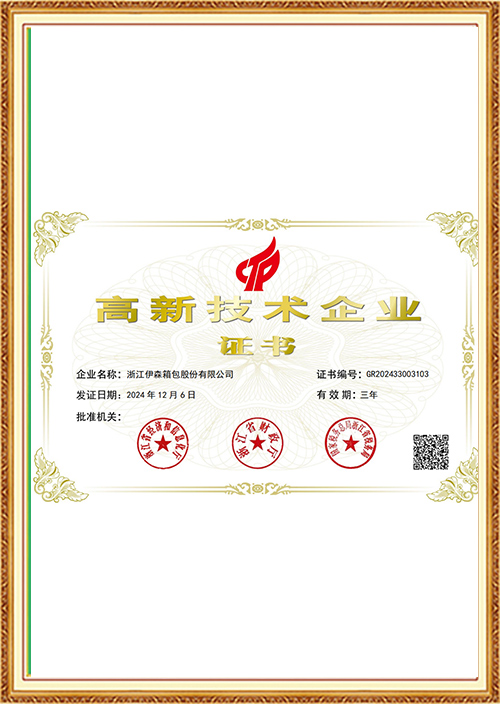 High-tech Enterprise Certificate
 -
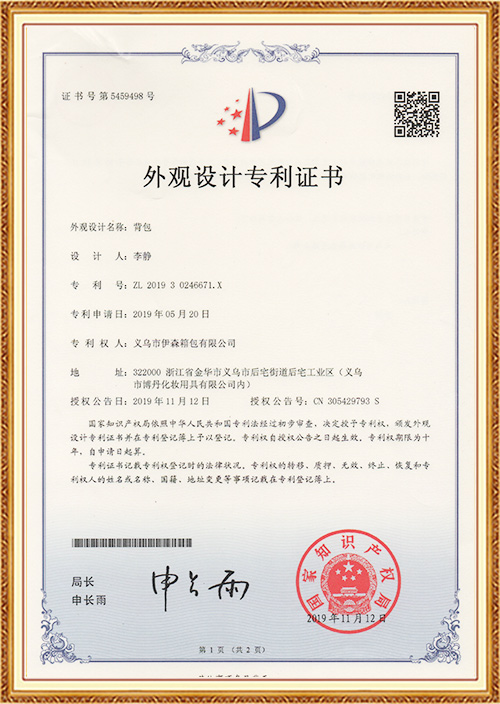 Appearance Patent Certificate
 -
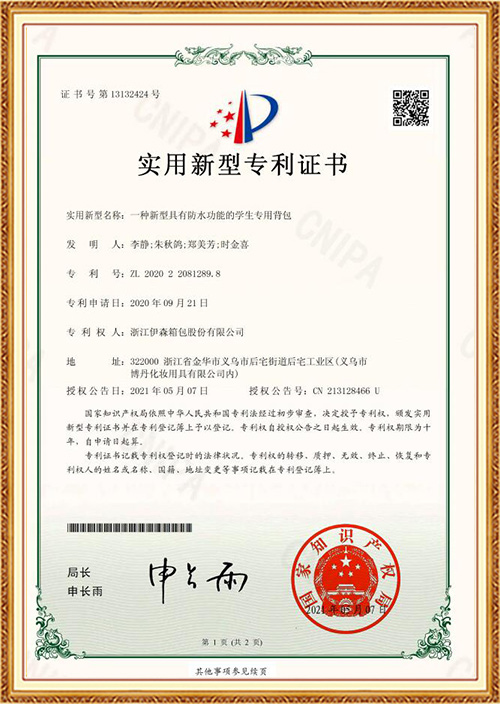 Utility Model Patent Certificate
 -
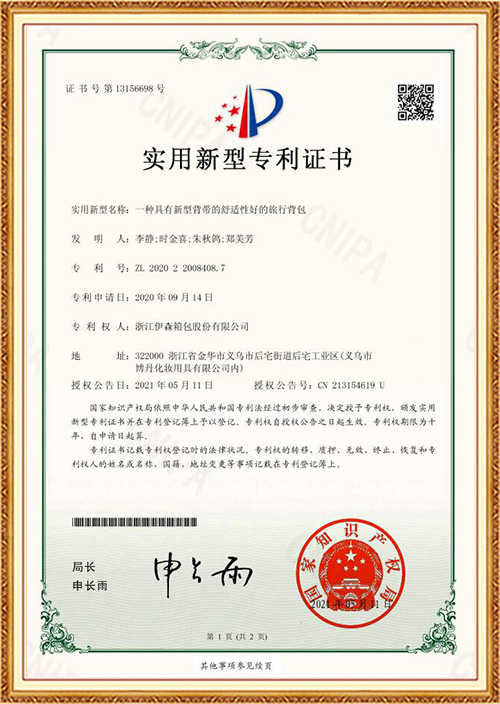 Utility Model Patent Certificate
News
-
Industry News 2026-09-18
Taking baby food and bottles outside involves more than finding room inside a ba...
View More -
Industry News 2026-09-11
Travel places personal care items into temporary bathrooms where space is limite...
View More -
Industry News 2026-09-04
A day hike usually means carrying food for several hours before eating it, somet...
View More -
Industry News 2026-08-28
A travel wash bag once needed little more than a roomy opening and enough space ...
View More
Waist Bag Industry Knowledge
Waist bags — sometimes called belt bags or fanny packs — have come a long way from being just a small storage accessory. These days they show up in travel, sports, outdoor gear, commuting setups, events, and plain everyday use. Part of that comes down to the shape itself: compact, worn hands-free, and easy to get into quickly, which makes sense for anyone who doesn't want the extra bulk of a backpack or shoulder bag but still needs somewhere to keep the essentials.
That said, a waist bag that actually works well isn't just about how it looks. Comfort, durability, how efficiently the space is used, some level of security, and how well it represents a brand all matter too. For anyone developing waist bag products, the details end up mattering more than they might expect — fabric choice, zipper quality, how the strap is structured, where the logo sits, how pockets are laid out, and whether production stays consistent batch to batch. All of that adds up to what the final product actually feels like in someone's hands.
Material Selection for Waist Bags
The material behind a waist bag ends up shaping a lot more than just how it looks — it affects durability, weight, and where the bag actually fits best in terms of use. Different fabrics push the product toward different positioning, so the choice isn't really arbitrary.

Common Materials Used
Polyester shows up a lot in waist bag production, mainly because it's lightweight and keeps costs reasonable for daily-use designs. It can take on different surface textures or coatings, which opens it up to casual bags, promotional items, travel styles, and sports-leaning designs.
Nylon tends to get picked when strength and abrasion resistance matter more. It holds up well and stays flexible, so it's a common choice for outdoor bags, running or hiking gear, and travel-focused pieces where durability needs to hold up over time.
Canvas brings more of a casual, textured feel to the bag — leans natural rather than technical. It fits lifestyle and street-style designs well, and if you go with a thicker canvas, the bag holds a more structured shape too.
PU leather is usually the pick for fashion-driven waist bags. The surface stays smooth, and it can give off a slightly more premium look, which works for urban or branded accessory lines.
Mesh or other breathable fabrics mostly show up on back panels or strap areas, helping with airflow and comfort — something that matters more for sports or outdoor-use bags where the bag sits against the body for longer stretches.
What Actually Matters When Choosing
A few things worth checking before locking in a material:
- Tear and abrasion resistance
- Whether it's water-repellent or fully waterproof
- How the surface texture and color hold up over time
- Overall weight of the finished bag
- How easy it is to clean
- Whether it works well with printing, embroidery, patches, or labels
- Whether it fits the intended use case
For outdoor or travel bags, sturdier fabrics with some kind of water-resistant coating tend to be the safer bet. For fashion or lifestyle-focused products, texture and color usually carry more weight than raw durability specs.
Functional Design of Waist Bags
At its core, a waist bag exists to make carrying things easier — that's really the whole point. If it does that well, it should let someone organize small items without much thought and still feel comfortable enough to wear for a while.
Pocket and Compartment Layout
Most waist bags that actually work well have more than one compartment, and how those pockets are arranged usually comes down to what the bag is meant for.
A few layouts show up often:
- A main zipper compartment for phones, wallets, sunglasses, or small tools
- A front pocket for keys, cards, tickets, or earphones
- An inner divider to keep cash or IDs separate
- A hidden back pocket for anything more valuable
- A mesh pocket just to keep smaller items separated
- A key hook or small elastic loop for extra organization
For travel or event use, hidden pockets and solid zipper closures tend to matter more. For sports use, it's usually better if the bag stays compact and doesn't have too much bulk moving around inside.
Zipper and Closure Design
Zippers get used constantly on a waist bag, probably more than any other part, so their quality ends up affecting the whole product more than people expect.
A few things worth paying attention to:
- Opens and closes smoothly
- Zipper teeth hold up without catching
- Pullers stay durable over time
- Metal parts resist rust, or plastic parts hold up well
- Closure stays secure even during movement
- Can be operated with one hand
Some designs go further with waterproof zippers or a covered flap, which helps in light rain or splashes.
Strap and Buckle Structure
How stable and comfortable a waist bag feels really comes down to the strap system. Adjustable straps give it the flexibility to be worn around the waist, across the chest, or over one shoulder depending on preference.
Key things to look at:
- Adjustable length to fit different body sizes
- Webbing strong enough to handle regular tension
- A buckle that operates smoothly and reliably
- Reinforced stitching at points that take the most stress
- A strap surface that stays comfortable against skin or clothing
- Enough flexibility to switch between wearing styles
For sports or outdoor use, the strap should keep the bag sitting close to the body so it doesn't bounce around while moving. For fashion-focused designs, strap width, color, and buckle style start to matter just as much for how the bag looks overall.
Application Scenarios of Waist Bags
Waist bags end up serving a lot of different purposes, mostly because they're portable and easy to get into quickly. But what counts as a "good" waist bag really depends on which market it's headed toward — the priorities shift depending on use.
Travel Waist Bags
For travel, the bag usually needs to handle passports, phones, cash, cards, tickets, and other things people don't want to lose track of. Organization and a bit of extra security tend to matter more here than anything else.
Things that help:
- A few separate zipper pockets instead of one big space
- A hidden back pocket for valuables
- A slimmer profile that doesn't stick out
- Lightweight build overall
- Fabric with some water-repellent quality
- A buckle and strap that stay secure
Basically, a travel bag needs to let someone grab what they need fast, while keeping the more important stuff close and out of sight.
Outdoor and Sports Waist Bags
These get used for hiking, running, cycling, camping, walking, general fitness — anything where movement is involved. Stability and weather resistance usually take priority over how flashy the design looks.
Common features worth having:
- A breathable back panel
- Water-resistant fabric
- Reflective details for visibility
- A compact build that doesn't add bulk
- A strap that adjusts and actually stays adjusted
- Pockets arranged for quick access
For running or cycling specifically, keeping the bag from bouncing around matters a lot. For hiking or camping, it's more about durability and having enough organized storage to last the trip.
Fashion and Lifestyle Waist Bags
Here the focus shifts — design, color, and texture start mattering more than technical performance. These bags get worn around the waist or crossbody, showing up in daily outfits, city commuting, festivals, or just casual everyday wear.
What tends to get considered:
- Colors that follow current trends
- A silhouette that looks intentional, not just functional
- Zipper pullers with a bit of visual detail
- Logo patch, woven label, or embroidery
- Fabric that feels soft to the touch
- A compact space that still gives the brand some visibility
The goal with these is mostly balance — looking good without giving up too much practical storage.
Promotional and Event Waist Bags
Waist bags also show up a lot as branded merchandise — events, campaigns, outdoor promotions, that kind of thing. In these cases, logo visibility, cost, and keeping production consistent across a batch matter more than anything design-heavy.
Options that come up often:
- Screen printing
- Heat transfer printing
- Embroidery
- Rubber logo patch
- Woven label
- PVC patch
- Custom zipper puller
- Custom color matching
Even a fairly simple waist bag can work well as a branded item, as long as the logo area is placed thoughtfully and the overall build stays consistent piece to piece.
Customization Options for Waist Bags
Customization is honestly one of the bigger parts of developing a waist bag properly. Having a flexible process behind it makes it easier to hit different styles, price points, or specific use cases without starting from scratch each time.
Logo Customization
How a logo gets applied changes the whole look of the bag, and it plays into brand recognition too. Different methods just end up giving different results.
Some of the more common ones:
- Embroidery logo
- Woven label
- Rubber patch
- PU patch
- PVC patch
- Heat transfer logo
- Screen printing
- Metal logo plate
For sportier designs, rubber patches or reflective printing tend to fit better. For fashion-focused bags, woven labels, leather patches, or metal plates usually give off a more refined feel.
Color and Fabric Customization
Waist bags can go solid, contrast, printed, or follow seasonal color trends — really depends on what direction the product is aiming for.
A few examples of how that plays out:
- Neutral colors for everyday use
- Bright colors for outdoor or sports styles
- Earth tones for travel and casual pieces
- Black, gray, navy for more universal collections
- Custom printed fabric for fashion or promotional runs
Fabric texture matters here too — it shapes how "valuable" the bag feels even before anyone touches it. Smooth nylon, woven polyester, canvas, and PU leather all leave a different impression.
Size and Shape Customization
Different sizes end up covering different needs.
- Small bags work for keys, cards, cash, or a compact phone
- Medium bags handle daily essentials — phone, wallet, earbuds, sunglasses
- Large bags carry more and fit travel, outdoor, or utility purposes better
Shape can vary too — slim flat styles, rounder fashion-leaning shapes, boxier utility builds, or something softer and more casual.
Hardware and Accessory Customization
Small parts end up mattering more than people expect, both for how the bag functions and how it looks.
Things that can be adjusted:
- Zippers
- Buckles
- D-rings
- Strap adjusters
- Pull tabs
- Webbing
- Lining fabric
- Inner labels
- Packaging
Better hardware usually means fewer issues down the line, especially with bags that get used regularly over a longer period.
Quality Points to Check in Waist Bag Production
Waist bags get opened, closed, adjusted, and worn constantly through movement, so quality control ends up mattering more than people might assume. Even a small defect can throw off the whole experience once it's actually being used day to day.
Stitching Quality
Stitching needs to stay neat, even, and hold up under tension. The spots that take the most stress — strap connections, zipper ends, pocket corners, buckle attachment areas — need extra attention.
What usually gets checked:
- No loose threads hanging around
- Even stitch density across seams
- Reinforced bar-tacking at the stress points
- Straight sewing lines, nothing crooked
- Seams strong enough to hold under pulling
- Clean, finished edges
Zipper and Buckle Testing
Since zippers and buckles get used over and over, testing them for smoothness and strength isn't optional.
Things worth confirming:
- Zipper opens and closes without catching
- Puller stays firmly attached, doesn't wiggle loose
- Buckle locks securely and doesn't slip
- Strap adjuster actually holds its position
- No sharp edges anywhere on the hardware
- Hardware color and finish match what was specified
Fabric and Appearance Inspection
The outer fabric should look clean and consistent, without anything obviously off.
Points to look at:
- No stains or discoloration
- No scratches or holes in the fabric
- Color matches correctly
- Logo sits in the right position
- Surface stays smooth
- Shape holds up once the bag is filled or packed
Size and Capacity Check
The finished bag needs to match the approved sample or spec sheet — size gaps can throw off packing, how the product looks, and even how it functions for the user.
Common checks include:
- Overall length, height, and depth
- Strap length range
- Pocket size
- Zipper opening width
- Logo placement
- Packaging dimensions
Key Features That Improve Waist Bag Value
A waist bag may look simple, but several details can increase its usability and market appeal.
Valuable features include:
- Lightweight construction for comfortable daily wear
- Water-repellent fabric for outdoor and travel use
- Multiple compartments for better organization
- Hidden pocket for personal items
- Adjustable strap for waist or crossbody wear
- Breathable back panel for sports activities
- Reflective strip for night running or cycling
- Reinforced stitching for longer service life
- Custom logo area for brand presentation
- Compact design for easy storage and carrying
These features help the product stand out while improving real-world practicality.
How to Develop a Practical Waist Bag Product
Developing a waist bag requires more than choosing a shape and fabric. A successful design should consider the full user journey, from wearing comfort to item access and long-term durability.
A practical development process usually includes:
- Define the use scenario
Decide whether the waist bag is for travel, outdoor sports, daily use, fashion, events, or multi-purpose use. - Choose suitable materials
Select fabrics based on durability, weight, appearance, and weather resistance. - Plan the storage structure
Design pocket quantity, pocket position, zipper direction, and internal organization. - Confirm wearing style
Determine whether the bag will be mainly worn at the waist, across the chest, or over the shoulder. - Select logo method
Choose embroidery, printing, patch, label, or other decoration based on product positioning. - Review sample details
Check size, shape, color, strap comfort, zipper smoothness, logo placement, and overall finish. - Control production consistency
Ensure that bulk production follows the approved sample, including materials, workmanship, dimensions, and packaging.
Why Waist Bags Remain Popular
Waist bags have stuck around for a reason — they solve a pretty basic problem well: keeping small essentials within reach without tying up your hands. They're small enough for everyday errands, practical enough to bring along on trips or outdoor activities, and can still look sharp enough to fit into fashion lines when the design calls for it.
With more people commuting around cities, spending time outdoors, taking short trips, or just leaning into sportier lifestyles, waist bags have kind of settled into a flexible spot in the product world. They can go simple or a bit more premium, sporty or dressed-up, light or more structured depending on what's needed. That range is really what lets them work across so many product lines and seasonal releases.
For anyone building out waist bag products, paying attention to comfort, material quality, how storage is arranged, how secure the closures are, and how much customization is actually possible tends to make the biggest difference. Get those right, and the bag usually performs well once it's actually being used — and still looks like something worth putting on a shelf.



Copyright © Zhejiang Yisen Bags Co., Ltd. All Rights
Reserved
Waist Bag Supplier
