

 English
 中文简体
 Français
 Español
 italiano


What Influences the Cost of Custom Travel Cosmetic Bags


What Influences the Cost of Custom Travel Cosmetic Bags
2026-11-06
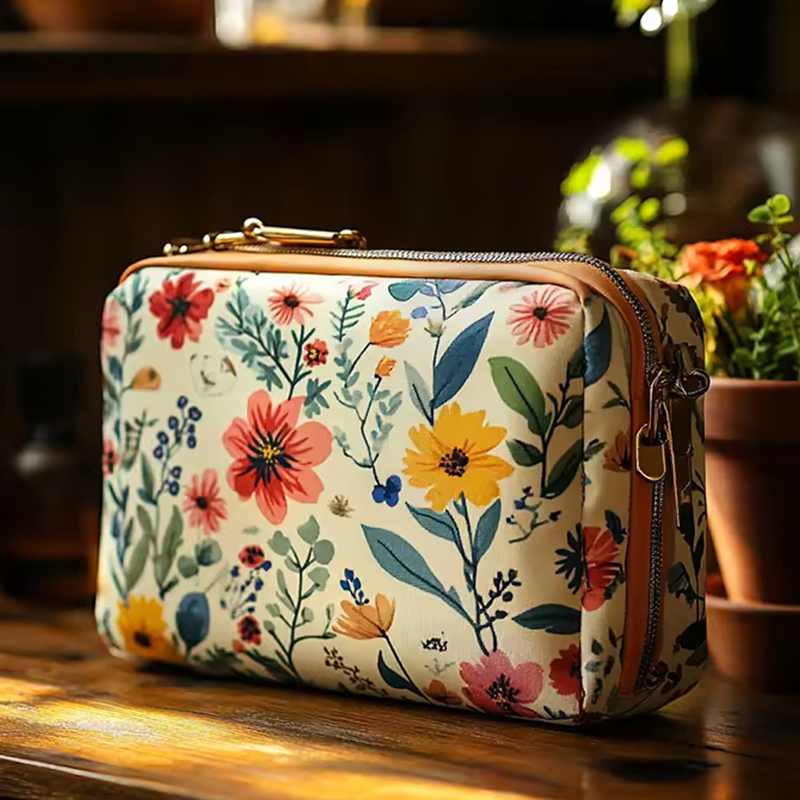
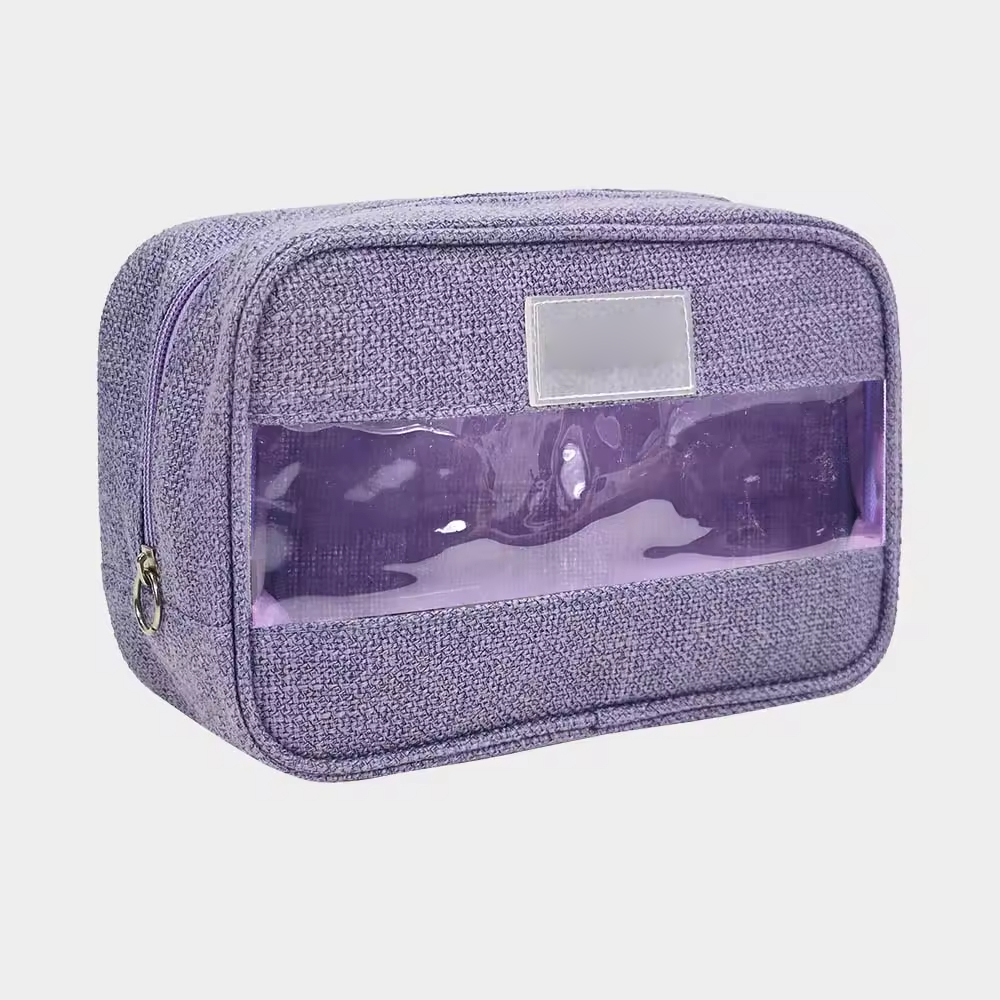
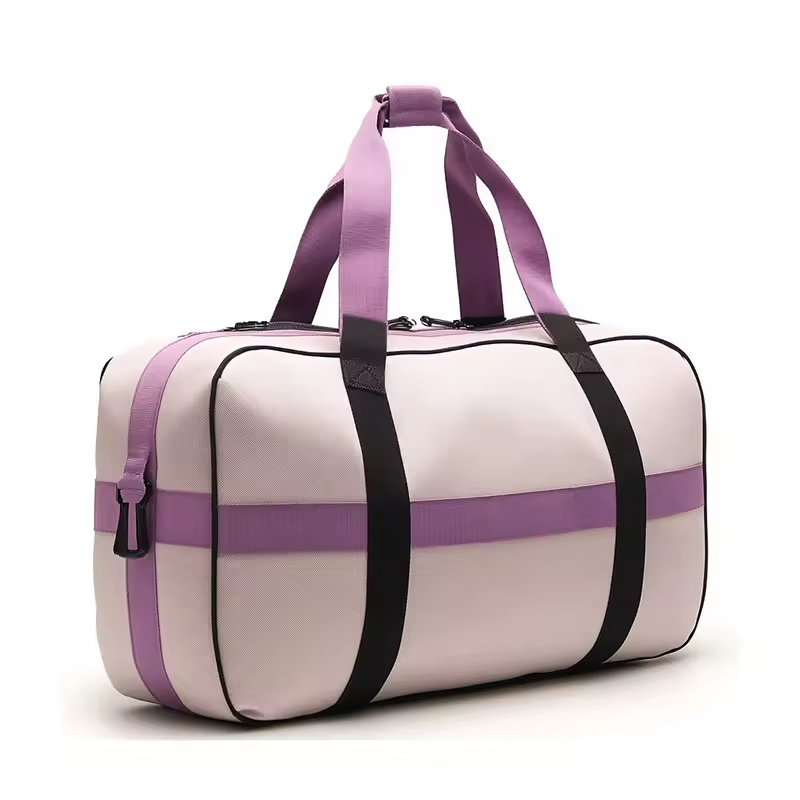
Cosmetic bags made to a buyer's own dimensions, materials and branding carry costs that extend beyond the visible fabric. Yarn or coated cloth, internal dividers, zippers, handles, print or embroidery setups, order volume and the way the finished goods are packed and shipped all contribute to the final figure. Custom Travel Cosmetic Bags therefore require a clear specification before quotations can be compared on an equal basis. A Large Capacity Cosmetic Travel Bag that must hold multiple bottles and brushes will consume more material and often more assembly time than a compact pouch, so capacity itself becomes one of the primary cost drivers.
Material Choice and Fabric Specification
Common Fabrics Used for Cosmetic Bags
Polyester, nylon, canvas and PU-coated materials appear frequently because each offers a different balance of hand feel, water resistance and abrasion behaviour. Availability of a given colour or width, the thickness of the cloth and any special coatings influence both the purchase price of the raw material and the ease with which it can be cut and sewn. Heavier or more specialised fabrics raise the material line on the cost sheet; lighter commodity fabrics keep that line lower but may limit the perceived quality of the finished bag.
Matching Durability and Weight to the Target Market
A bag intended for frequent travel may justify a more robust outer cloth and a denser lining, while a promotional giveaway may prioritise lower material cost and simpler construction. The decision is driven by the expected handling, the retail or gift price point and the weight the end user is prepared to carry. Selecting a fabric that exceeds these requirements adds cost without corresponding benefit; selecting one that falls short risks returns and complaints.
Linings, Coatings and Surface Treatments
An internal lining protects the outer fabric from spilled liquids and gives a cleaner appearance when the bag is opened. Water-repellent or wipe-clean coatings, printed patterns and special finishing processes each add material and process steps. These elements are included only when they serve a defined functional or visual purpose, because each one increments both material and labour cost.
Size, Volume and Internal Organisation
Effect of Overall Dimensions on Material Use
Larger panels require more fabric, longer zippers and often heavier reinforcement at stress points. The finished bag also occupies more space in cartons, which can raise the freight cost per unit when shipping is calculated by volume. Dimension choices are therefore weighed against the actual items the bag must carry rather than against an abstract preference for capacity.
Cost Contribution of Pockets and Dividers
Elastic loops, mesh pockets, brush rolls, zippered inner compartments and rigid dividers each introduce additional pattern pieces, sewing operations and, in some cases, extra hardware. A single open cavity is the simplest and least costly structure; every subdivision adds both material and assembly time. The internal layout is designed around the products that will actually be stored so that unnecessary pockets are avoided.
Balancing Storage Needs Against Size and Budget
When the brief calls for space to hold a full set of makeup, skincare bottles and travel toiletries, the design must still respect weight, outer dimensions and the target cost. Specifying the exact bottles, brushes and accessories that need to fit allows the capacity to be set at the minimum that satisfies the requirement, rather than at an arbitrary large volume that inflates material and shipping costs.
Branding Methods and Decorative Detail
Printing, Embroidery and Related Techniques
Screen printing, digital printing, embroidery and heat-transfer methods differ in setup charges, colour limitations and the time required per piece. Complex multi-colour artwork or large embroidered areas increase both the preparation cost and the unit process time. Simpler one- or two-colour logos keep branding costs more predictable, especially at moderate order quantities.
Custom Colours and Matching Components
Requesting a fabric colour outside the supplier's standard range, or insisting that zippers, pullers and thread match a precise shade, can introduce dye-lot minimums and longer lead times. Special trims and custom patterns further complicate material planning. These choices are reserved for cases where brand identity strictly requires them.
Preparation of Artwork and Approval of Samples
Clear, correctly sized artwork files and a signed-off pre-production sample reduce the risk of misinterpretation and of costly changes once bulk cutting has begun. Revisions after materials have been ordered or after sewing has started usually attract additional charges and delay the schedule.
Closures, Handles and Secondary Hardware
Zipper Type, Size and Custom Pullers
Coil, moulded or metal zippers, different teeth sizes and finishes, and custom-shaped pullers each carry their own unit cost. A standard zipper of appropriate length and strength is often sufficient; decorative or branded pullers are added only when the brand presentation justifies the extra expense.
Handle and Strap Configurations
Fixed handles, detachable shoulder straps, reinforced attachment points and metal or plastic hardware all affect both material cost and assembly time. The carrying method is chosen according to how the bag will actually be used—hand-held only, over the shoulder, or both—rather than by accumulating every available option.
Prioritising Functional Features Over Ornament
Accessories that improve durability or ease of use for the intended customer are retained; purely decorative additions that do not serve the end user are omitted so that the budget remains focused on the elements that affect daily performance.
Order Volume and Its Effect on Unit Cost
Relationship Between Quantity and Efficiency
Larger orders allow material to be purchased more efficiently and spread setup and sampling costs over more units. Smaller runs carry a higher share of those fixed costs in each bag. The quantity ordered is therefore aligned with realistic sales or distribution plans rather than with an optimistic maximum.
Minimums Linked to Custom Elements
Custom-dyed fabric, special-order zippers or unique structural features often raise the minimum quantity a supplier can accept. Understanding these thresholds early prevents designs that cannot be produced at the intended volume.
Sampling and Pre-Production Expenses
Prototype samples, courier charges and any redesign rounds may be invoiced separately. These costs are included in the overall project budget so that the true expense of reaching an approved sample is visible before bulk production begins.
Packaging and Logistics Components of Total Cost
Individual Presentation Packaging
Polybags, printed paper wraps, hang tags and branded outer packaging each add material and packing labour. The level of presentation is matched to the sales channel—simple protective bags for wholesale, more elaborate packaging for retail display.
Cartonisation and Freight Variables
The number of bags per carton, the external dimensions of the cartons, the chosen shipping mode and the destination together determine the freight cost. Dense packing reduces volume charges but must still protect the product. Duties, insurance and local delivery charges form part of the landed cost and are estimated at the quotation stage.
Complete Cost Perspective
Unit price, sampling, packaging, freight and any applicable taxes or duties are summed so that quotations can be compared on the basis of the total amount that will actually be paid rather than on the bag price alone.
Planning an Order That Stays Within Budget
Definition of End Use and Customer Profile
Whether the bags are destined for travel retail, brand merchandise, promotional events or everyday personal care determines the acceptable cost range and the features that must be included. Clarity on this point prevents over-specification.
Separation of Necessary Features from Optional Ones
Capacity that fits the intended contents, reliable closures, a workable internal layout and the required branding are fixed first. Decorative extras are added only if the remaining budget allows.
Comparable Quotations from Multiple Suppliers
Identical specifications—dimensions, materials, logo method, accessories, quantity and packaging—are issued to each supplier so that price differences reflect true cost variation rather than differences in scope.
Evaluation of Samples Before Bulk Commitment
Physical samples are checked for dimensions, stitch quality, zipper action, internal organisation, logo clarity and overall workmanship. Approval is given only when the sample matches the written specification and the intended quality level.
Overview of Cost Drivers in Custom Cosmetic Bag Production
| Cost Factor | Influence on Final Price | Planning Consideration |
|---|---|---|
| Outer fabric and lining | Material price, thickness, coatings, colour matching | Match durability and appearance to target market |
| Overall size and capacity | Fabric consumption, carton volume, freight | Size to actual contents, not to maximum volume |
| Internal pockets and dividers | Extra material and sewing operations | Include only sections that serve defined products |
| Branding method and complexity | Setup charges, process time, colour count | Keep artwork simple unless brand rules require more |
| Zippers, handles and hardware | Component cost and assembly time | Specify only the carrying and closure functions needed |
| Order quantity | Spreading of setup and material purchase costs | Align volume with realistic demand |
| Packaging and shipping | Presentation materials, cartonisation, freight, duties | Calculate landed cost, not unit price alone |
Aligning Specification Clarity with Predictable Costing
Material grade, bag dimensions, internal structure, branding technique, hardware, order quantity and logistics arrangements together determine the cost of a custom cosmetic bag. A precise written specification and a defined budget allow quotations to be compared accurately and reduce the risk of later changes. Zhejiang Yisen Bags Co., Ltd. manufactures custom cosmetic and travel bags according to buyer-defined materials, dimensions and branding requirements. Review of fabric options, capacity needs, logo methods, accessory choices and packaging arrangements against the intended market and order volume supports a design that meets both functional and commercial targets.






Copyright © Zhejiang Yisen Bags Co., Ltd. All Rights
Reserved
OEM/ODM Bag Manufacturer
