

 English
  中文简体
中文简体  Français
  Español
  italiano



Laptop Backpack
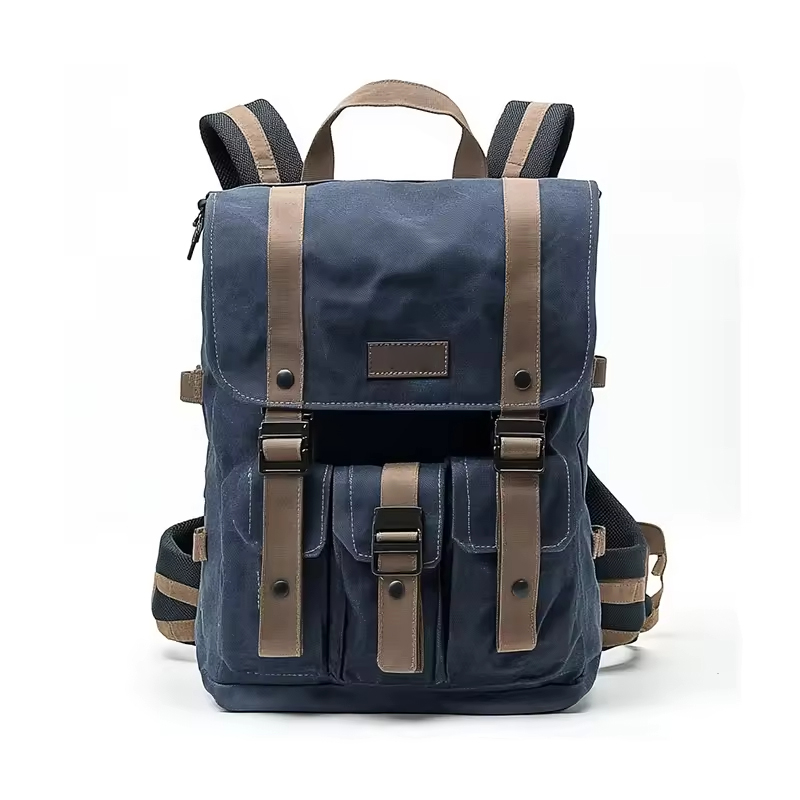
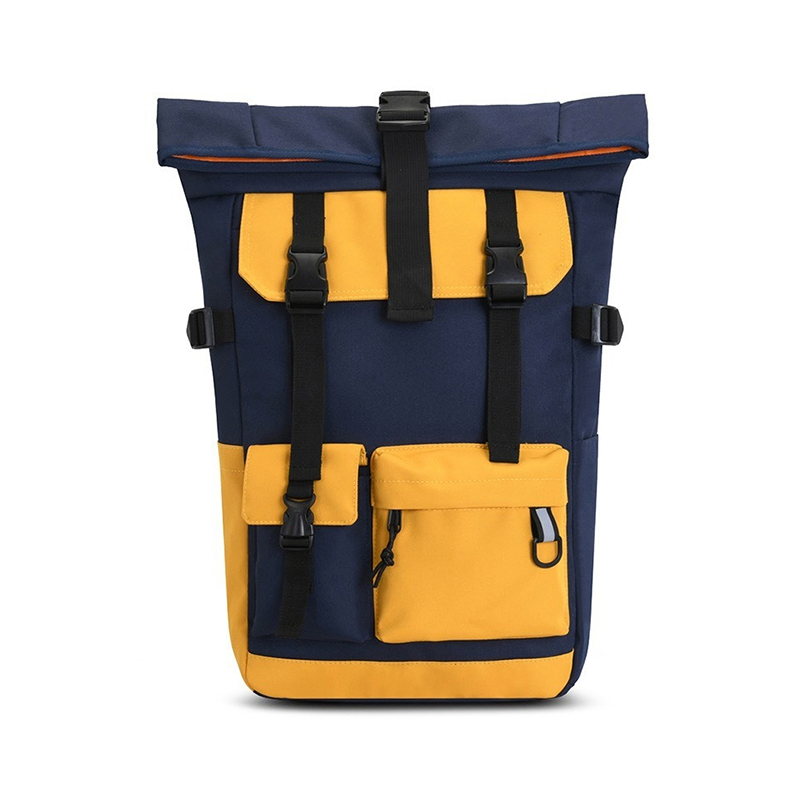
A good Laptop Backpack needs to do three things at once — protect the device, stay comfortable to carry, and keep everyday items organized. Yisen Bags works as a laptop backpack manufacturer and supplier, offering customizable options built for work, school, commuting, travel, and business use. Depending on the design, that can mean a padded laptop compartment, several storage pockets, ergonomic shoulder straps, breathable back panels, water-resistant fabric, and zippers built to hold up over time — all of it aimed at protecting the laptop and accessories while keeping things easy to find.
Through OEM and ODM production, laptop backpacks can be developed in different sizes, materials, colors, structures, and functional layouts, depending on what a particular market is asking for. Whether it's for an office setting, outdoor travel, or just the daily commute, a laptop backpack that's actually well designed tends to strike a decent balance between comfort, durability, and a look that doesn't feel dated. Yisen Bags keeps its focus on manufacturing that's reliable, design that's practical, and customization flexible enough to hold up as long-term product value.
About Us
Zhejiang Yisen Bags Co., Ltd. was established in 2010, and is a national high-tech enterprise and a technology and medium-sized enterprise in Zhejiang Province. It has maintained long-term technology development cooperation with the Yiwu Research Institute of Zhejiang University of Technology, and has been rated as a national Class A taxpayer for many years. The headquarters is located in a small commodity distribution center, which is the largest one in the world-Yiwu City.
ISEN as professional custom Laptop Backpack and OEM/ODM China Backpack Manufacturer, specializing in the production and sales of various types of bags, outdoor products, pet products and other bags, it has an industrial park of more than 30,000 square meters; has a R&D, design, sales and production team of more than 500 people, and has several inventions and technical practical patents; It has global certifications such as GRS, BScI, ISO9001:2015, etc.
Certificate
-
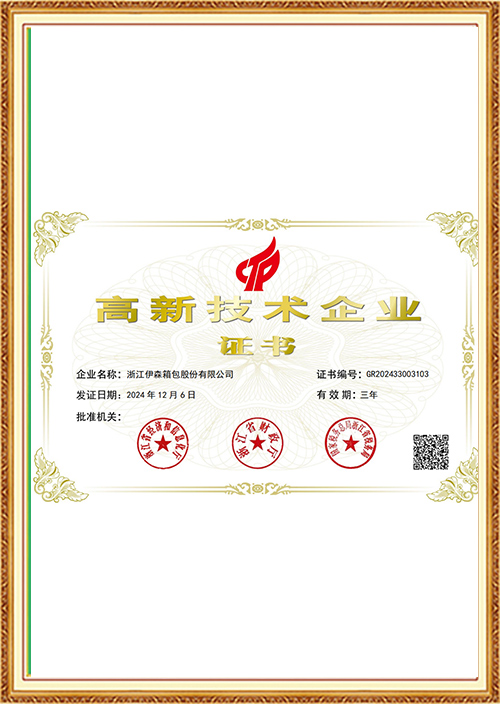 High-tech Enterprise Certificate
 -
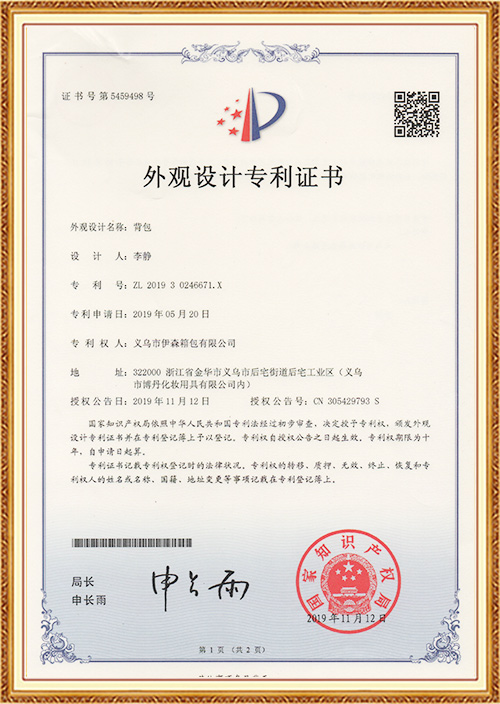 Appearance Patent Certificate
 -
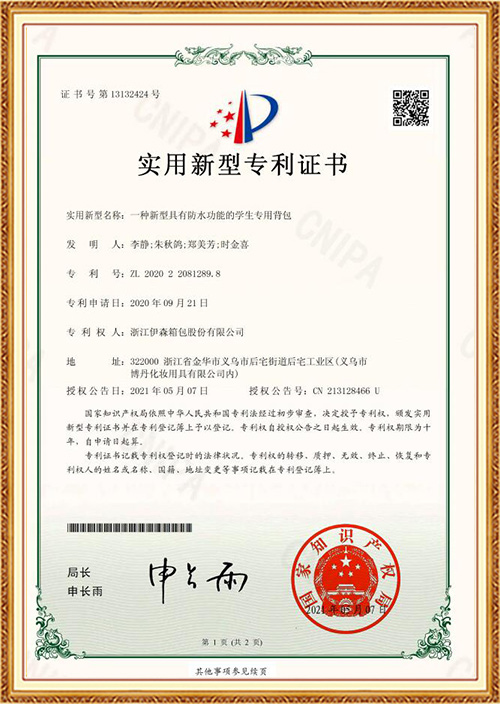 Utility Model Patent Certificate
 -
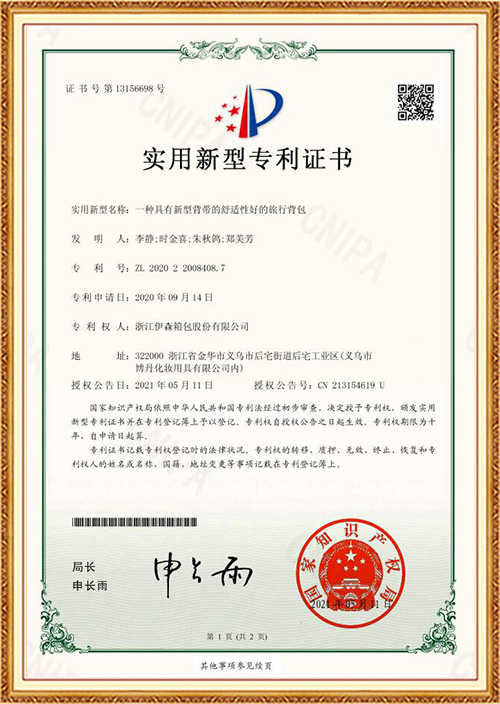 Utility Model Patent Certificate
News
-
Industry News 2026-09-18
Taking baby food and bottles outside involves more than finding room inside a ba...
View More -
Industry News 2026-09-11
Travel places personal care items into temporary bathrooms where space is limite...
View More -
Industry News 2026-09-04
A day hike usually means carrying food for several hours before eating it, somet...
View More -
Industry News 2026-08-28
A travel wash bag once needed little more than a roomy opening and enough space ...
View More
Industry Knowledge: How We Manufacture Reliable Laptop Backpacks
As a professional laptop backpack factory, we've learned over time that a good Laptop Backpack isn't just something to carry things in — it's really a combination of protection, comfort, organization, durability, and how well it represents a brand. Every stage matters here, from picking the right material to shaping the structure, from early samples through to full production, and each of those steps ends up affecting both the user experience and how the product performs in the market long-term.
Laptop backpacks show up in a lot of different settings — office commuting, business travel, school, outdoor activity, everyday device carrying — and each of those calls for a somewhat different design approach. A business laptop backpack, for instance, usually leans toward a clean look, slim structure, padded laptop protection, and space for documents. A travel version often needs more capacity, a trolley strap, an anti-theft pocket, water-resistant fabric, and compartments that are easy to get into quickly. A student laptop backpack, on the other hand, tends to prioritize lightweight materials, comfortable straps, and enough room for books, stationery, and electronic accessories.
As a manufacturing factory, our part in all this is turning those market needs into backpack solutions that are stable, practical, and actually producible at scale.
Key Factors in Laptop Backpack Production
Making a Laptop Backpack takes more than just sewing fabric panels together. Getting a stable, reliable product really comes down to accurate pattern making, choosing the right materials, a structure that actually works, careful stitching, and quality checks that don't get skipped.
Laptop Protection Structure
The laptop compartment is really the heart of the whole bag. During production, we pay close attention to the sleeve's size, how thick the padding is, how the laptop gets held in place, and where that compartment sits inside the bag.
A few laptop compartment approaches we commonly see:
- Padded laptop sleeve for basic impact protection
- Elastic fixing strap to keep the device from shifting around
- Suspended laptop compartment that reduces direct impact from the bottom
- Separate rear laptop section, handy for quick access while traveling or at the office
- Soft lining material that helps cut down on scratches to the device surface
Depending on the market, laptop backpacks can be sized to fit common laptop dimensions — 13-inch, 14-inch, 15.6-inch, 17-inch, that kind of range. Getting those inner dimensions right takes some care, since a compartment that's too loose ends up weaker on protection, while one that's too tight makes it annoying to actually use.

2. Fabric Selection and Material Performance
Material selection has a direct influence on appearance, durability, cost, and product positioning. In laptop backpack production, we commonly use polyester, nylon, oxford fabric, canvas, PU-coated fabric, and recycled materials.
Different materials offer different advantages:
| Material | Main Features | Common Use |
|---|---|---|
| Polyester | Cost-effective, durable, versatile | Daily laptop backpacks |
| Nylon | Strong, lightweight, wear-resistant | Business and travel backpacks |
| Oxford Fabric | Textured, sturdy, practical | Work and school backpacks |
| Canvas | Casual look, thicker hand feel | Fashion or lifestyle backpacks |
| PU-Coated Fabric | Smooth surface, better water resistance | Modern business backpacks |
| Recycled Fabric | Eco-friendly option | Sustainable product lines |
For laptop backpacks, water resistance is often an important feature. We can apply coatings or select fabrics with water-repellent performance to protect belongings from light rain and splashes. However, water resistance is not the same as full waterproofing. Therefore, fabric structure, zipper type, seam position, and coating quality all need to be considered together.
3. Internal Organization Design
A Laptop Backpack works best when it actually helps people organize their devices and daily items without much fuss. A well-thought-out inner layout goes a long way toward how much value users get out of the bag and how satisfied they end up being with it.
Some of the internal features we typically build in:
- Laptop compartment
- Tablet sleeve
- Charger pocket
- Cable organizer
- Pen slots
- Mesh zipper pocket
- Document compartment
- Side water bottle pocket
- Key hook
- Hidden security pocket
- Front quick-access pocket
When we're developing these layouts, we think through how each pocket gets used in real life, not just on paper. Charger pockets, for example, shouldn't sit right against the laptop screen. Front pockets need to open easily without being so loose that things fall out. Side pockets have to hold a bottle securely without throwing off the shape of the whole bag.
Good organization isn't really about cramming in as many pockets as possible. It's more about making sure each pocket earns its place — useful, easy to reach, and positioned where it actually makes sense.
4. Comfort and Ergonomic Design
Comfort matters a lot for a Laptop Backpack, especially once someone's carrying a laptop, books, documents, chargers, and other personal items for hours at a stretch.
A few comfort details we pay attention to during production:
- Padded shoulder straps that ease pressure off the shoulders
- Breathable back panel for better airflow
- S-shaped shoulder strap design that fits the body more naturally
- Adjustable strap length to suit different body types
- Chest buckle or support strap on heavier travel models
- Weight distribution that's balanced through structure and where compartments sit
The foam itself matters too — thickness, density, all of it. Foam that's too soft loses its support pretty quickly. Too hard, and it just feels uncomfortable against the back. We pick padding based on where the product sits in the lineup, how much weight it needs to carry, and what it's actually going to be used for.
5. Zippers, Buckles, Webbing, and Hardware
Accessories might seem like the small stuff, but they end up having a real impact on how durable a Laptop Backpack turns out to be and how it feels to use day to day. A backpack can have great fabric and still fall apart in daily use if the zippers are weak or the buckles are cheap.
Some of the accessory details that actually matter:
- Zippers that open and close smoothly and hold up over time
- Zipper pullers strong enough not to snap off
- Buckles reinforced enough to take real use
- Webbing with the right thickness and tension
- Rust-resistant metal parts where needed
- Solid stitching at the stress points
- Accessory colors that actually match the overall design
For business laptop backpacks, the accessories usually need to look simple and clean. Travel versions lean more toward strength and reliability holding up over repeated use. School or outdoor styles tend to work better with accessories that are lighter and a bit more flexible.
Custom Laptop Backpack Development
As a laptop backpack manufacturer, customization is one of the most important parts of our service. Different brands and product lines often require different appearances, structures, materials, and functional details.
Customizable Options
We can support various customization requirements, including:
- Backpack size and capacity
- Fabric type and fabric color
- Lining color and inner structure
- Laptop compartment size
- Pocket layout
- Logo position and logo technique
- Zipper style and accessory color
- Shoulder strap design
- Back panel structure
- USB charging port
- Trolley strap
- Anti-theft pocket
- Reflective strip
- Packaging method
- Hangtag, label, and carton marking
Logo Techniques
Different logo techniques create different visual effects and cost structures. Common options include:
| Logo Method | Effect | Suitable For |
|---|---|---|
| Silk Screen Printing | Clean and cost-effective | Simple logos |
| Embroidery | Textured and durable | Premium casual styles |
| Rubber Patch | Modern and three-dimensional | Sports and travel backpacks |
| Woven Label | Lightweight and neat | Daily backpack lines |
| PU Patch | Business and fashion look | Office laptop backpacks |
| Metal Logo | Premium appearance | High-end business models |
Choosing the right logo method depends on fabric material, brand style, order quantity, cost target, and expected product positioning.
Manufacturing Considerations for Different Laptop Backpack Styles
Not every Laptop Backpack gets made the same way. Different categories call for different production priorities, and knowing which details matter most for each style makes a real difference in the final product.
Business Laptop Backpack
Business laptop backpacks generally need a neat look, a structured shape, and colors that read as professional — black, gray, navy, dark green come up a lot. The surface should stay clean-looking, and the inside needs to handle laptops, tablets, documents, and office accessories without feeling cluttered.
What we focus on in production:
- A slim, structured shape
- Clean, tidy stitching
- Materials that look a bit more premium
- Hidden pockets where it makes sense
- Logo placement that stays professional
- Comfortable carrying for the daily commute
Travel Laptop Backpack
Travel versions usually need more room and stronger functional details — trolley straps, anti-theft pockets, side handles, a separate laptop opening, water-resistant fabric, that sort of thing.
Production priorities here:
- Larger overall capacity
- Sturdier zippers and buckles
- A trolley strap that can actually take repeated use
- Multiple compartments
- Reinforced joints where the handle and shoulder strap attach
- Access points that stay convenient even when the bag's full
Student Laptop Backpack
Student backpacks tend to lean on lightweight materials, decent storage, comfort, and keeping costs under control. They need to hold laptops, books, stationery, bottles, and whatever else gets thrown in on a given day.
What matters most:
- Keeping the construction light
- Shoulder straps that stay comfortable over a school day
- A bottom panel that can take some wear
- A pocket layout that's actually practical
- Colors that feel a bit more youthful
- A cost-performance balance that holds up
Outdoor-Inspired Laptop Backpack
Some designs blend office use with an outdoor look — stronger fabrics, tougher buckles, reflective details, weather-resistant materials.
Production focus:
- Fabric that resists wear
- Webbing and buckles built to hold
- Water-resistant treatment
- Back support that stays comfortable
- A sportier overall look
- Extra reinforcement at stress points
Sustainable Material Options
More laptop backpack projects are asking about sustainable materials these days, and as a bag factory, we can work with recycled polyester, recycled nylon, and other eco-conscious fabrics depending on what a project needs.
Sustainable design choices can include:
- Recycled outer fabric
- Recycled lining
- Less packaging material overall
- Construction built to last longer
- A more minimalist structure that cuts down on material waste
- Eco-style labels or hangtags
A sustainable laptop backpack still has to hold up on strength, comfort, and everyday use. Environmental value and durability need to work together here, not trade off against each other.
Packaging and Presentation
Packaging is part of the product experience too, especially for retail, e-commerce, and branded lines. How a laptop backpack gets packed depends a lot on the sales channel and shipping requirements.
Common options we work with:
- Individual polybag
- Recycled polybag
- Dust bag
- Hangtag
- Barcode label
- Custom paper card
- Inner carton
- Export carton
- Custom carton marking
For e-commerce, packaging needs to protect the bag's shape and keep it from getting damaged in transit. For retail shelves, hangtags, labels, and folding methods should present the product cleanly and professionally.
Why Factory Experience Matters
Making laptop backpacks at scale takes experience in both design and manufacturing. A design might look great on paper, but if the structure's too complicated, sewing gets unstable or costs climb for no good reason. A factory that's been through this before can help balance appearance, function, cost, and how efficiently the thing actually gets made.
Where our experience tends to help:
- Refining structure before sampling even starts
- Picking materials that fit different price points
- Adjusting pocket layouts based on how they'll really get used
- Keeping sewing difficulty in check
- Cutting down on unnecessary production waste
- Keeping quality steady through bulk runs
- Supporting repeat orders with consistent standards
- Giving practical feedback based on what's actually feasible to produce
A laptop backpack that works well needs to be attractive, useful, durable, and reasonable to produce — that balance is what we're aiming for at every stage of development.
As a laptop backpack factory, we've found that long-term product value really comes down to reliable materials, structure that's been thought through, steady workmanship, and quality control that doesn't slip. Whether it's a business laptop backpack, a travel design, or something built for students, each product should be developed around how people actually use it day to day. Laptop protection, comfortable carrying, organized storage, durable accessories, and flexible customization — these are the pieces that make a laptop backpack fit modern life.
With production experience built up over time, OEM and ODM development capability, and manufacturing management that stays consistent, we put together laptop backpack solutions across different styles, market levels, and functional needs.



Copyright © Zhejiang Yisen Bags Co., Ltd. All Rights
Reserved
Laptop Backpack Supplier
