

 English
 中文简体
 Français
 Español
 italiano


Foldable Travel Bag vs. Traditional Travel Bag: Which Is Better?


Foldable Travel Bag vs. Traditional Travel Bag: Which Is Better?
2026-10-23
Travel bags fall into two broad groups. One collapses into a small package once emptied. The other keeps roughly the same outline whether full or empty. That single difference changes how much cupboard space the bag claims, how much it can hold when open, how comfortable it feels when carried, and how well it suits short trips, gym sessions or longer journeys. A Foldable Large Capacity Travel Bag sits in the first group and aims to give generous volume when packed while taking up little room when stored.
Basic Design Differences Between the Two Bag Types
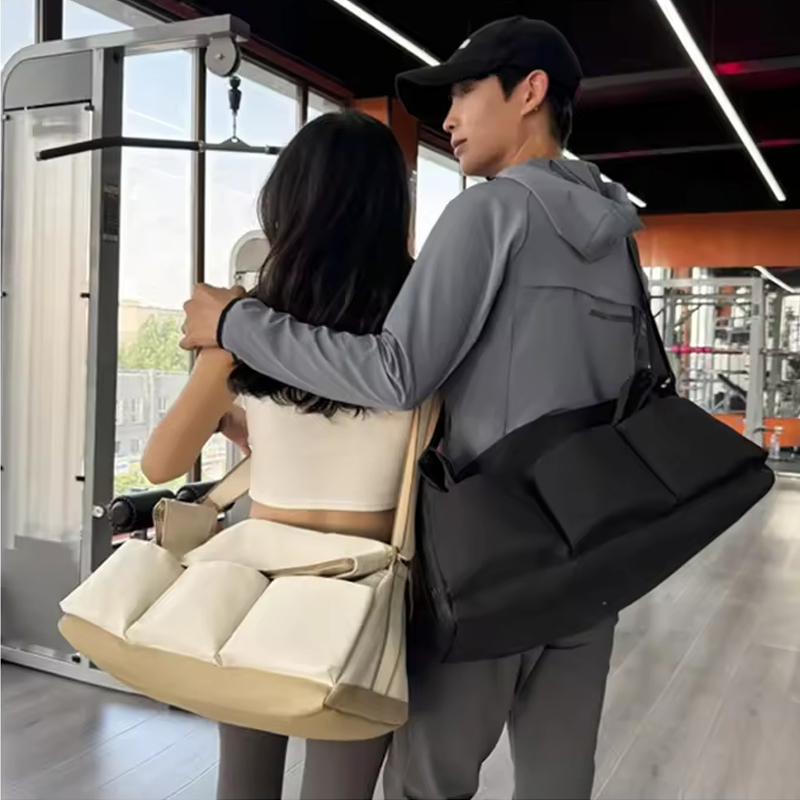
Collapsible bags rely on soft fabric panels and flexible seams so the whole unit can fold flat or roll into a compact form. Handles and straps usually fold with the body. The priority is easy storage in a cupboard, under a bed or inside another piece of luggage. Conventional bags use stiffer panels, internal frames or denser materials that hold a consistent shape. The interior stays more organised and the contents receive firmer protection, yet the empty bag still occupies nearly as much space as when it is packed. Once the folding feature is added, the bag shrinks to a fraction of its open size when not needed. Cupboard space is freed and it becomes practical to keep a spare bag ready for unexpected packing. Conventional bags remain bulky even when empty, so storage planning stays more constrained.
Storage Space Requirements When the Bag Is Empty
After the contents are removed, a collapsible bag folds or rolls into a small package that fits into narrow gaps. Apartments with limited storage and travellers who already carry several pieces of luggage gain from this reduction in volume. A conventional bag continues to take up floor or shelf space whether packed or empty. In tight living quarters that permanent bulk can become a real limitation. When cupboard or under-bed space is scarce, the ability to collapse the bag after use turns into a clear advantage. The same bag can later expand to full capacity when clothes, shoes or sports gear need to be carried.
Capacity for Clothing, Footwear and Equipment
Both bag types can offer generous interior space once opened. Collapsible designs often favour a large single compartment that accepts folded clothes, shoes and toiletries without internal barriers. Conventional designs may add dividers that keep the same volume more orderly. Clothes, footwear, wash kits and training equipment all fit inside a well-sized open bag. The absence of rigid internal structure in a collapsible model lets irregular items settle naturally, while a conventional model may keep items more rigidly separated. Short overnight stays need less volume than multi-day trips. A bag that expands fully yet folds away afterwards covers both situations without the need for a second permanent piece of luggage.
Convenience Across Travel, Training and Daily Errands
A collapsible bag can sit unused in a small space during the week and then open to full size for a short trip. Once the journey ends it returns to compact form. Gym clothing, shoes and small accessories travel in one open compartment. After the session the bag folds flat again and occupies little space in a locker or car boot. A folded bag can also travel inside another suitcase and expand only if extra capacity is needed. That flexibility reduces the chance of being caught without enough packing space.
Durability Comparison Between Foldable and Conventional Designs
Strong, tightly woven fabrics resist abrasion and tearing whether the bag is collapsible or rigid. Material choice matters more than the folding feature itself. Stitching density, zipper quality and reinforcement at stress points decide how well the bag handles repeated loading. Both bag types need these elements to stay intact under ordinary use. Even weight distribution, secure closure of all openings and a quick check of straps before lifting reduce the risk of seam or handle failure. These checks apply equally to both designs. Emptying the bag after each trip, wiping residual dirt and storing it dry keep fabric and hardware in better condition. Collapsible models benefit from being fully dried before folding so that moisture is not trapped inside the folds.
Water Resistance for Outdoor and Travel Use
Fabrics treated to shed light rain or splashes help keep contents drier during outdoor movement or unexpected weather. Full immersion protection needs additional sealed construction that not every bag supplies. A bag that resists surface moisture suits road trips, campsite transfers and outdoor fitness sessions. The ability to fold away afterwards remains useful when the bag is not needed for the return journey. Water resistance depends on the fabric coating, zipper design and seam sealing. These features should be confirmed against the expected exposure rather than assumed from the bag’s overall category.
Advantages and Practical Limits of Collapsible Bags
The main gain is the reduction in storage volume and the ease of carrying an empty bag. Weight is often lower because rigid frames are left out. Without internal structure the bag may collapse inward when partially filled or when soft items are packed loosely. Contents can shift more freely than in a framed design. Heavier loads place more stress on straps and seams. Even weight distribution and adequate padding at contact points improve comfort regardless of whether the bag folds. When rigid internal organisation, fixed shape or heavier structural protection is required, a conventional design may line up more closely with those needs.
Selection Points for a Collapsible Large-Capacity Travel Bag
The expanded volume must accept the intended load while the folded size must fit the available storage space. Material strength, coating integrity and seam construction influence both durability and weather resistance. Length, padding and attachment strength of the carrying elements affect how the loaded bag feels during movement. Internal pockets or dividers, when present, help keep wet or dirty items away from clean clothing. Frequency of trips, typical load composition and preferred carrying style guide the final choice.
Users Who May Benefit From a Collapsible Sports and Travel Bag
Travellers who only occasionally need extra packing volume gain a bag that stays compact until required and then provides overflow capacity without permanent storage cost. Training participants can carry the full set of clothes, footwear and accessories in one bag and fold it away afterwards. Households with limited cupboard space find a bag that collapses after use more practical than a permanently bulky alternative. Outdoor users who prefer a compact spare bag can travel with a folded unit that expands only when additional capacity is needed.
Overview of Practical Differences Between Bag Types
| Comparison Aspect | Collapsible Design | Conventional Design |
|---|---|---|
| Empty storage volume | Reduces to a compact form | Remains close to full size |
| Packed capacity | Large open space when expanded | Similar volume with possible internal structure |
| Portability when empty | Easy to store or carry as a spare | Bulkier even when empty |
| Shape retention | Soft and flexible | Holds fixed outline |
| Suitability for mixed use | Travel, training and daily overflow | Often specialised for structured packing |
| Care after use | Dry thoroughly before folding | Store dry, shape largely self-maintaining |
Selecting the Bag Type That Fits Actual Travel and Training Needs
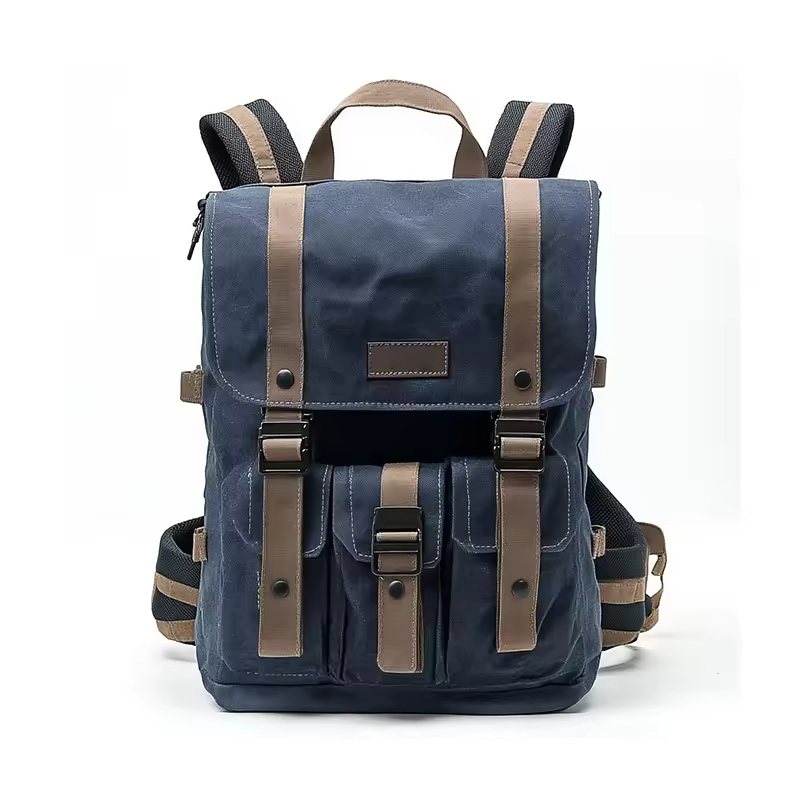
Collapsible and conventional travel bags differ mainly in empty storage volume, shape retention and flexibility of use. The folding design suits situations where space is limited and the bag must serve multiple roles across travel, training and occasional overflow packing. A New Foldable Large Capacity Travel Backpack and a Large Capacity Waterproof Folding Travel Bag both show how the collapsible approach can combine volume when needed with minimal bulk when stored. Zhejiang Yisen Bags Co., Ltd produces a range of travel and sports bags. Looking over available capacity, folded dimensions, fabric characteristics and carrying features against the intended journey length, training load and storage constraints points to a bag that matches practical daily requirements.





Copyright © Zhejiang Yisen Bags Co., Ltd. All Rights
Reserved
OEM/ODM Bag Manufacturer
