

 English
  中文简体
中文简体  Français
  Español
  italiano



Cooler Bag


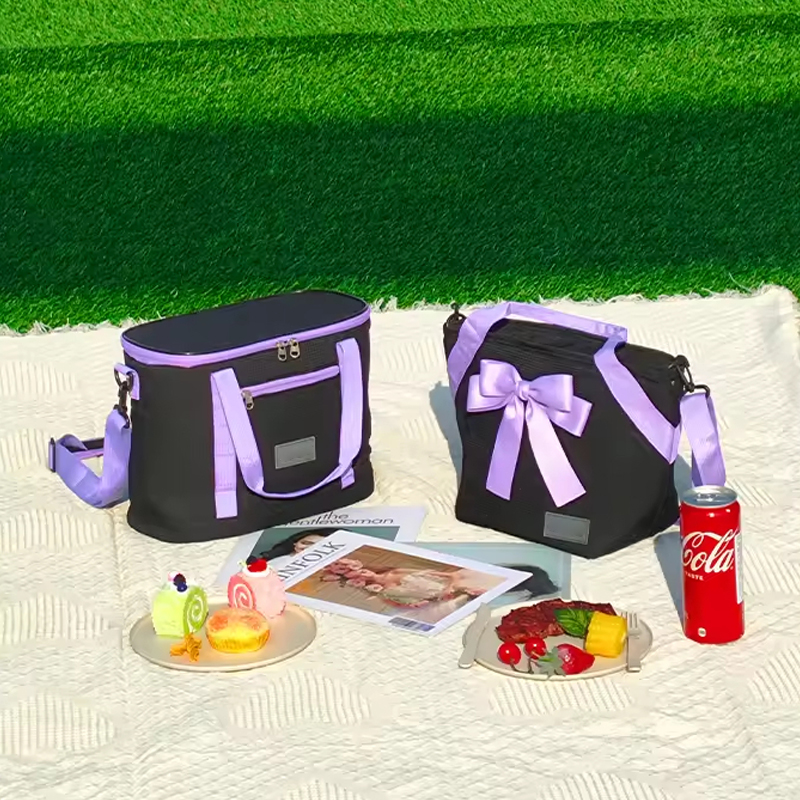
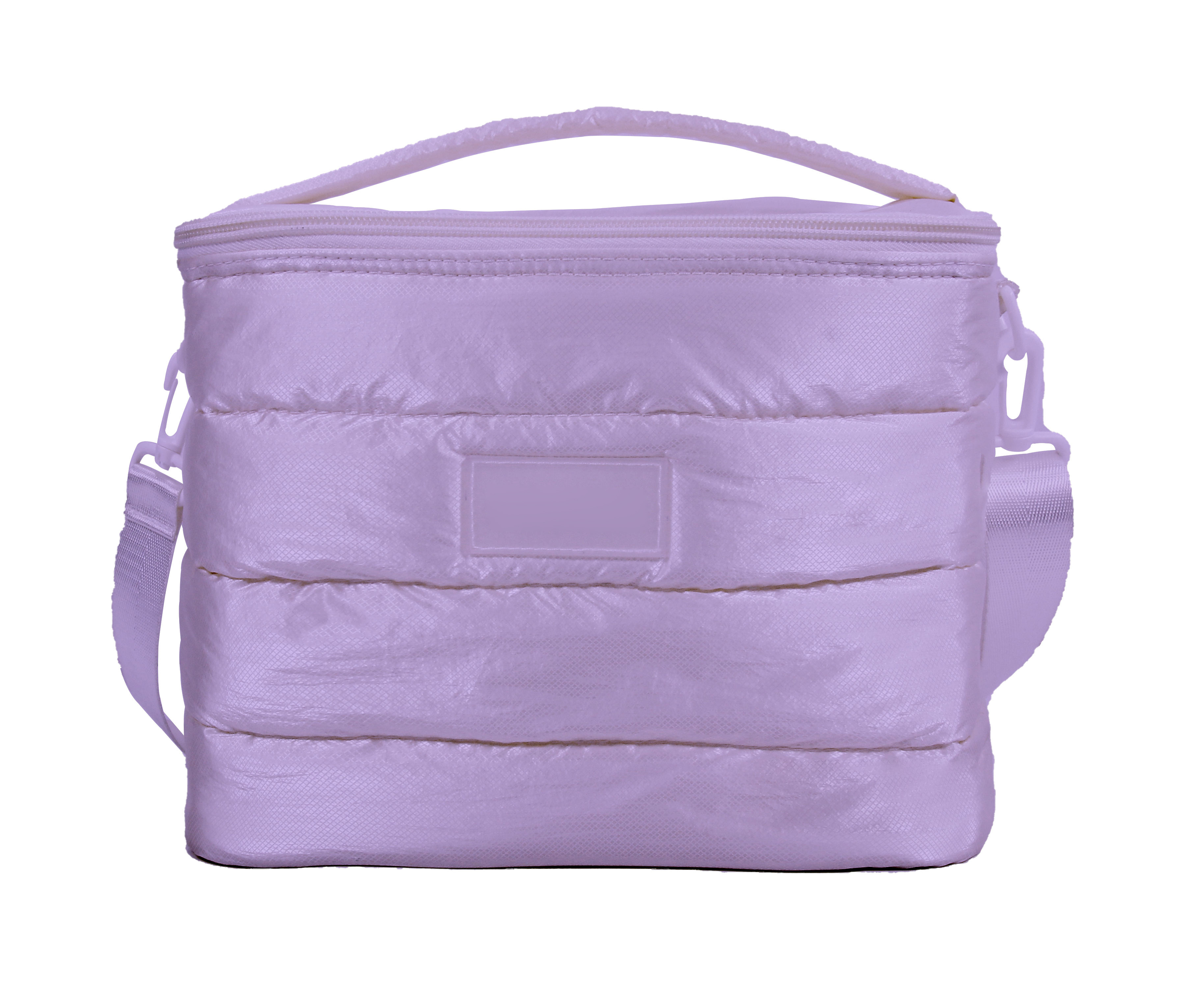


Our cooler bag range covers the basics that actually matter — keeping temperature steady, giving enough storage room, and staying easy to use day to day. Working as a cooler bag manufacturer and supplier, we put together soft cooler bags, cooler backpacks, lunch cooler bags, and custom insulated bags that get used across a fair number of situations — outdoor trips, food delivery, travel, picnics, camping, office lunches, and promotional runs.
Each bag can go through customization depending on what's needed — fabric, insulation material, size, color, logo, compartment layout, handles, zippers, and other functional details are all open to change. Whether it's something compact like a lunch cooler or a bigger cooler backpack that needs more capacity, our OEM cooler bag work is built around fitting a brand's positioning and whatever the market calls for.
Between solid construction, designs that are actually comfortable to use, and enough flexibility on the customization side, these cooler bags end up working for both regular daily use and situations that need more careful temperature control.
About Us
Zhejiang Yisen Bags Co., Ltd. was established in 2010, and is a national high-tech enterprise and a technology and medium-sized enterprise in Zhejiang Province. It has maintained long-term technology development cooperation with the Yiwu Research Institute of Zhejiang University of Technology, and has been rated as a national Class A taxpayer for many years. The headquarters is located in a small commodity distribution center, which is the largest one in the world-Yiwu City.
ISEN as professional custom OEM Cooler Bag and OEM/ODM Cooler Backpack wholesaler, specializing in the production and sales of various types of bags, outdoor products, pet products and other bags, it has an industrial park of more than 30,000 square meters; has a R&D, design, sales and production team of more than 500 people, and has several inventions and technical practical patents; It has global certifications such as GRS, BScI, ISO9001:2015, etc.
Certificate
-
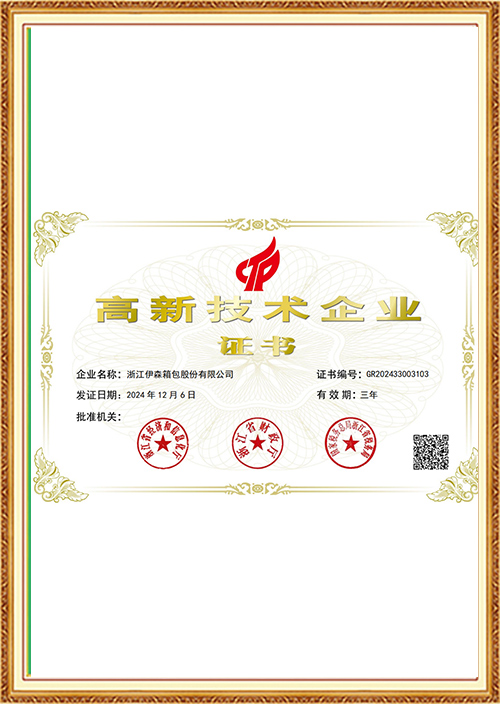 High-tech Enterprise Certificate
 -
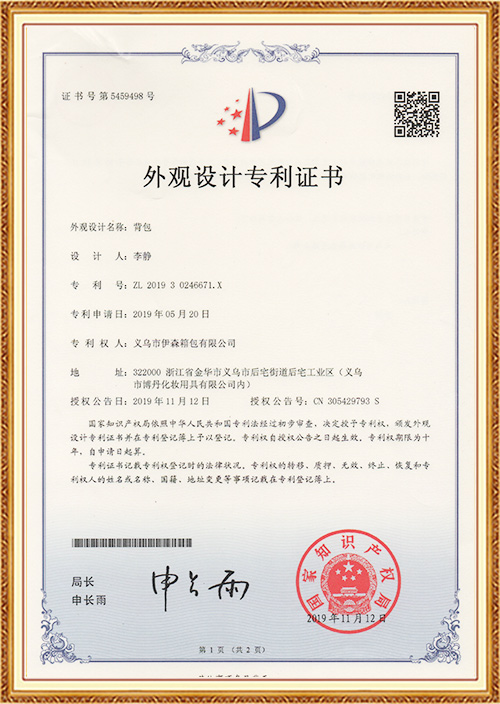 Appearance Patent Certificate
 -
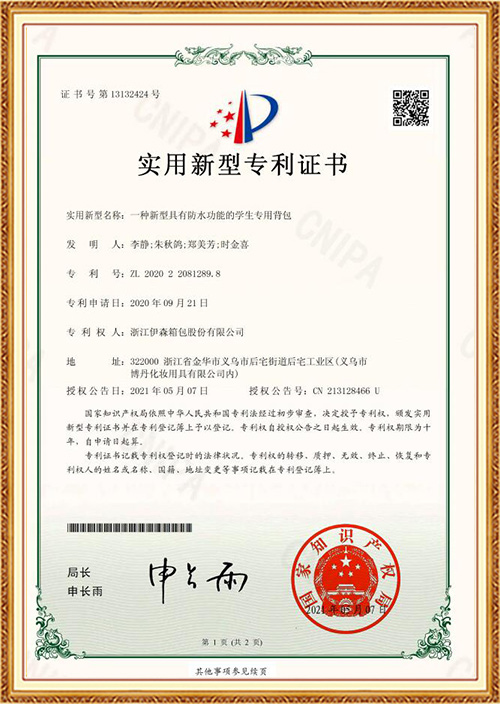 Utility Model Patent Certificate
 -
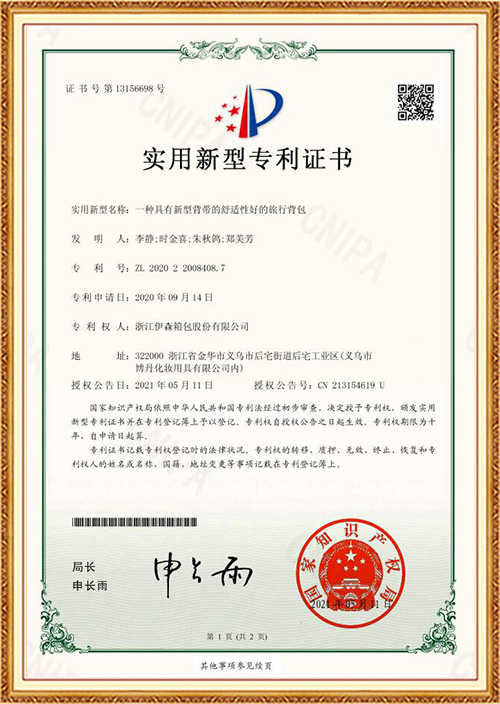 Utility Model Patent Certificate
News
-
Industry News 2026-09-18
Taking baby food and bottles outside involves more than finding room inside a ba...
View More -
Industry News 2026-09-11
Travel places personal care items into temporary bathrooms where space is limite...
View More -
Industry News 2026-09-04
A day hike usually means carrying food for several hours before eating it, somet...
View More -
Industry News 2026-08-28
A travel wash bag once needed little more than a roomy opening and enough space ...
View More
Industry Insight: How Cooler Bags Are Evolving from Simple Storage Bags to Lifestyle Products
There was a time when a cooler bag meant one thing — an insulated container that kept food and drinks cold, nothing more. That's changed quite a bit. These days they show up in offices, outdoor trips, travel bags, grocery runs, sports gear, camping setups, food service work, and promotional giveaways. As the use cases spread out, expectations around design, materials, comfort, looks, and customization have gone up right along with them.
From where we sit as a manufacturer, a cooler bag that actually works well isn't just about how good the insulation is. It has to fit into how people really use it day to day. The strongest designs usually come from getting several things right at once — temperature control, ease of packing, comfortable carrying, simple cleaning, and a look that fits wherever it's headed in the market.
Cooler Bag Design Starts with the Usage Scenario
Before any real work starts on developing a Cooler Bag, the question that actually matters isn't "what size should this be" — it's "where and how is this going to get used." Once that's clear, the design decisions that follow tend to look pretty different depending on the scenario.
A few examples of how that plays out:
- Office lunch use usually calls for something compact, clean-looking, light to carry, and easy to wipe down on the inside.
- Picnic and family use tends to need more capacity, a wider opening, sturdier handles, and better support at the bottom.
- Camping and outdoor use puts more weight on durable fabric, thicker insulation, reinforced seams, and a shoulder strap that's comfortable over longer stretches.
- Food delivery use cares most about capacity, how well heat is held in, shape stability, and how quickly it opens.
- Promotional use generally comes down to balancing cost, logo visibility, a simple structure, and color combinations that catch the eye.
- Retail lifestyle products lean more toward design style, texture, packaging, and how the brand comes across overall.
Once the usage scenario is pinned down, it's much easier for a factory to make the right calls on material, insulation thickness, zipper placement, compartment layout, handle structure, and how the logo gets applied.
Modern Cooler Bags Need Both Function and Appearance
Cooler bags used to be judged almost entirely on how well they kept things cold — looks were an afterthought. That's not really true anymore. A Cooler Bag today might get carried into an office, set down on a dining table, taken along to the beach, brought to a park, or sitting on a shelf in a retail store. Given all that, it needs to look decent while still doing its actual job.
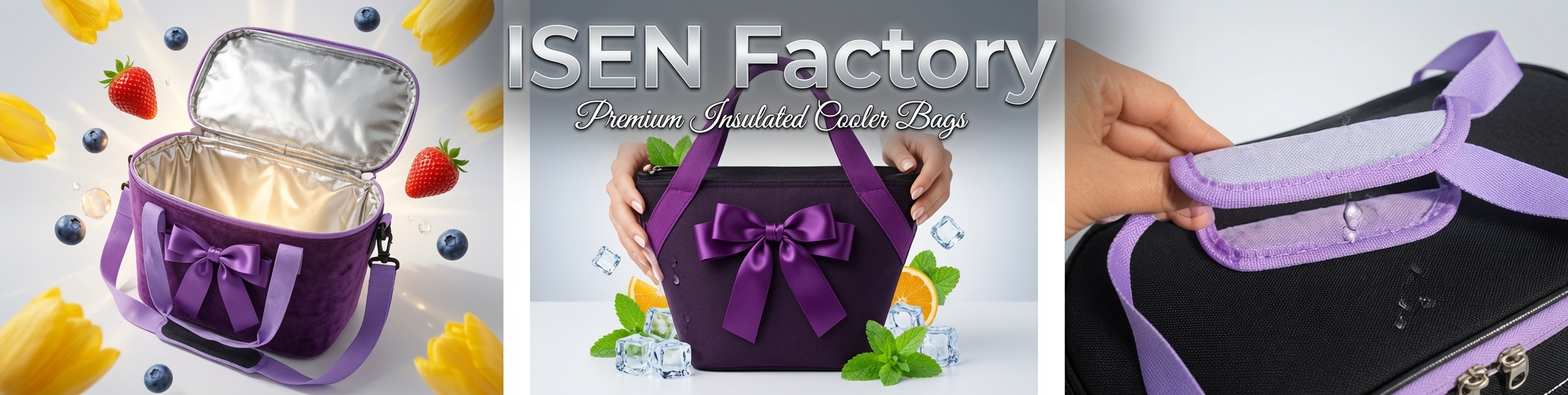
What usually makes a cooler bag look right includes things like:
- Clean, well-thought-out color combinations
- Shape proportions that feel balanced
- Neat, even stitching
- Zipper lines that run smoothly
- Logo placement that fits the overall layout
- Pockets that are actually practical, not just decorative
- Fabric texture that matches where the product sits in the market
Take a soft blue and beige color pairing as an example — it gives off a fresh, homey kind of feel. That style tends to work well for lunch storage, picnics, travel, and lifestyle-focused product lines. It still does its job functionally, but there's also something gentle and easy to warm up to about it — and that side of things matters more than people often give it credit for.
User Experience Is Built Through Small Details
A Cooler Bag can look pretty straightforward at first glance, but how it actually feels to use day after day comes down to a lot of small things — the kind you usually only notice once you've used the bag a fair number of times.
Some of the details that end up mattering most:
- Whether the zipper glides open with just one hand
- Whether the opening's wide enough to slide food containers in without a struggle
- Whether the lining wipes clean after something spills
- Whether the handles still feel okay to hold once the bag's fully packed
- Whether the bottom holds its shape once there's real weight in it
- Whether it stands upright on a table or car seat instead of tipping over
- Whether the pockets are genuinely useful, not just there for looks
- Whether it folds away easily when it's not being used
On the factory side, these are the kinds of things that need attention during pattern making and sample testing — not just at final inspection. Something as small as adjusting handle length, tweaking the zipper curve, changing lining thickness, or reworking the bottom panel can end up making a real difference in how easy the finished bag actually is to live with.
Capacity Should Be Planned by Real Packing Needs
When people talk about Cooler Bag capacity, they usually default to liters or measurements — but that's not really the full picture. What actually matters more is what's going inside, and planning around that.
For lunch cooler bags, the interior typically needs room for:
- Meal containers
- Fruit boxes
- Small drink bottles
- Ice packs
- Cutlery
- Napkins or other small accessories
For picnic cooler bags, the space usually has to hold:
- Several beverage bottles
- Sandwiches or snacks
- Food containers
- Ice packs
- Tableware
- A few small personal items
For outdoor cooler backpacks, the layout generally needs to support:
- Drinks
- Ready-to-eat meals
- Cold packs
- A side pocket for water bottles
- A spot for a phone or wallet
- Whatever's needed for hands-free carrying
This is really why capacity planning works better when it's based on actual items rather than just chasing a bigger number on a spec sheet. A cooler bag with a thoughtfully arranged interior can end up feeling roomier and more convenient to use than a larger one that's just poorly laid out inside.
Insulation Performance Depends on the Whole Structure
It's easy to assume that insulation material alone determines how well a Cooler Bag keeps things cold, but that's really only part of the story. The actual temperature retention comes down to how the whole structure works together.
Some of the structural factors that carry real weight:
- Insulation thickness
- Inner lining material
- How well the zipper seals shut
- Seam construction
- Size of the bag opening
- Density of the external fabric
- Whether ice packs are being used
- How full the bag is at the time
- The outside temperature conditions
A bag with thick insulation but a zipper that doesn't close tightly can end up losing its cool faster than expected. On the other hand, a more compact bag with decent lining, the right foam thickness, and a snug opening can actually outperform it for everyday short-term use. On the production side, the insulation layer also has to be cut and sewn correctly — otherwise uneven spots show up that hurt both the look and the actual performance.
A Good Cooler Bag Should Be Easy to Clean
Cleaning is one of those things that's easy to overlook when designing a Cooler Bag, yet it ends up mattering quite a bit in real use. Since these bags usually carry food, drinks, fruit, ice packs, and meal containers, spills are pretty much inevitable at some point.
A cooler bag that actually holds up well over time usually has:
- A smooth inner lining
- As few dirt-trapping corners as possible
- Surfaces that wipe clean without much effort
- Seams that are properly treated
- An opening wide enough to get a hand in for cleaning
- Interior materials that resist holding onto moisture
PEVA and aluminum foil linings tend to get used a lot for exactly this reason — they're smooth and simple to wipe down. For bags meant to see heavier daily use, the lining structure needs extra attention so leakage risks stay low and upkeep stays manageable.
The Best Custom Cooler Bag Is Not Always the Most Complicated One
When developing a custom Cooler Bag, it's tempting to keep adding pockets, accessories, extra panels, and special processes because it all looks impressive on paper. In practice, though, piling on complexity rarely makes the product better. The designs that hold up best are usually the ones that stay clear, practical, and easy to reproduce consistently in bulk.
Overloading a design with unnecessary detail tends to bring its own set of problems:
- More material gets used up
- Sewing time stretches out
- Quality control gets harder to manage
- Sample adjustments pile up
- Production costs climb
- Delivery timelines slip
- Bulk production sees more inconsistency batch to batch
A well-thought-out cooler bag design keeps the features that genuinely improve everyday use and trims away anything that adds cost without adding real value. That approach tends to land somewhere that looks good, works well, and stays easier to manage once it's in stable, ongoing production.
Product Positioning Should Guide Material Selection
Not every cooler bag needs the same material level. The right material depends on where the product will be used and how it will be positioned.
| Product Type | Main Focus | Common Design Direction |
|---|---|---|
| Lunch Cooler Bag | Lightweight, clean, easy to carry | Compact size, smooth lining, simple handle |
| Picnic Cooler Bag | Capacity and family use | Wider opening, larger body, stronger bottom |
| Cooler Backpack | Outdoor comfort | Padded straps, durable fabric, multiple pockets |
| Promotional Cooler Bag | Cost and logo visibility | Simple structure, clear branding area |
| Premium Lifestyle Cooler Bag | Appearance and texture | Better fabric, refined color matching, clean details |
| Food Service Cooler Bag | Stability and repeated use | Strong structure, thick insulation, durable accessories |
This approach helps avoid overdesigning low-cost products or underbuilding products that need stronger performance.
Sampling Is Where Product Problems Are Found Early
No drawing or product photo can really capture every detail that matters. Sampling is the point where a Cooler Bag stops being an idea on paper and turns into something real — and it's usually where hidden problems finally surface.
During sample review, there are a handful of things worth checking closely:
- Whether the bag actually stands on its own
- Whether the zipper travels smoothly along its path
- Whether the opening is practical to use, not just wide on paper
- Whether the handle length feels right in hand
- Whether the fabric color lines up with what was expected
- Whether the insulation makes the bag feel too stiff or too floppy
- Whether the logo size sits well against the rest of the design
- Whether food containers actually fit in and out with ease
- Whether the lining is genuinely convenient to clean
For a factory, sampling isn't just about producing a single prototype to look at. It's a technical checkpoint — one that helps refine the structure, catch production risks early, and set things up for a much smoother run once bulk manufacturing begins.
Cooler Bag Manufacturing Requires Balance
A Cooler Bag that actually succeeds in the market usually comes down to balance rather than any single standout feature. It shouldn't end up too heavy, too soft, too pricey, too bare-bones, or too overloaded with extras. Almost every design choice ends up pulling on some other part of the product.
A few trade-offs worth keeping in mind:
- Thicker insulation boosts performance, but it also adds bulk.
- Extra pockets improve storage, but they eat up more sewing time.
- Tougher fabric holds up better, but often pushes the cost up too.
- A bigger capacity makes the bag more useful, but can hurt carrying comfort.
- Premium logo methods make it look sharper, but demand tighter process control.
- Softer materials feel nicer in hand, but can chip away at shape stability.
This is exactly why cooler bag development works better when it's treated as a full product system, rather than a series of one-off material decisions made in isolation.
Why Manufacturing Experience Is Important for Cooler Bag Development
There's a lot more that goes into making a Cooler Bag than just cutting fabric and stitching panels together. An insulated bag brings together outer fabric, foam insulation, inner lining, zippers, handles, pockets, and reinforcement pieces all at once — so nearly every design decision ends up touching how the finished product looks and performs.
A factory that's been through this process enough times can look at a design before mass production starts and spot the kinds of issues that don't show up until it's too late otherwise. The bag might look great in a drawing, but maybe the opening turns out too narrow for food containers, or the handle can't quite hold the weight it needs to, or the insulation layer makes everything feel stiffer than intended once it's sewn. Catching this kind of thing during sampling is a lot easier — and cheaper — than fixing it after bulk production is already underway.
At ISEN Bag Factory, we treat cooler bag development as something that has to work on two fronts at once: how the bag actually functions, and how well it can be manufactured. Our team thinks through how each bag will be used, carried, cleaned, packed, and produced at scale, which is what allows us to land on cooler bags that hold up in daily use while still being practical to run through the factory floor consistently.
Where Factory Experience Actually Shows Up
A few of the areas where hands-on manufacturing experience tends to make a real difference:
- Adjusting the overall structure for better shape stability
- Picking the right insulation thickness depending on the application
- Pairing outer fabric with lining and sewing methods that actually match
- Reinforcing handles, straps, and other stress points
- Fine-tuning zipper position for easier opening
- Designing pockets that are both useful and reasonable to produce
- Trimming away details that just add cost or production risk without real benefit
- Reviewing logo placement and branding process ahead of time
- Sharpening sample accuracy before anything gets locked in
- Keeping things consistent once bulk manufacturing gets underway
A factory that's genuinely capable doesn't just follow a design file line by line. It gets involved early, helping refine the product from the ground up — so the Cooler Bag that finally comes off the line ends up striking a better balance between insulation performance, durability, appearance, cost, and how efficiently it can actually be produced.
Future Trends in Cooler Bag Development
As lifestyles shift, Cooler Bags are showing up in more places than they used to. People aren't just grabbing them for picnics or camping trips anymore — they're carrying them to the office for lunch, to the gym, on grocery runs, on family trips, to outdoor dinners, and to branded events where a cooler bag doubles as a giveaway item.
A few trends worth watching right now:
- Softer, more lifestyle-friendly color palettes
- A cleaner, more minimalist look overall
- Recycled outer fabrics gaining traction
- Lighter insulation structures that don't sacrifice performance
- Bag shapes built for multiple uses, not just one
- Hybrid designs that blend lunch bag and travel bag functions
- Logo presentation that feels more understated and refined
- Foldable, space-saving structures for easier storage
- Carrying systems that prioritize comfort over just capacity
- Designs flexible enough to move between indoor and outdoor settings
What this really points to is that cooler bags have stopped being purely functional accessories. They're turning into everyday carry items — ones that manage to combine temperature control, organization, mobility, and a bit of personal style all at once.
A genuinely good Cooler Bag starts from real-world usage needs and ends up as something a factory can produce reliably at scale. The strongest designs rarely come from stacking on every feature imaginable — they come from picking the right materials, structure, insulation, size, and branding approach for a clearly defined purpose.
From a manufacturing standpoint, a cooler bag needs to check several boxes at once: practical to use, efficient to produce, appealing to look at, and consistent from batch to batch. When those pieces line up, a custom cooler bag can hold its own across daily life, outdoor activities, food storage, travel, promotional campaigns, and lifestyle retail — with the kind of long-term value that keeps a product relevant well beyond its first season.



Copyright © Zhejiang Yisen Bags Co., Ltd. All Rights
Reserved
Cooler Bag Manufacturer & Supplier
