

 English
  中文简体
中文简体  Français
  Español
  italiano

How Waterproof Materials Are Changing Toiletry Storage Bag Construction
Home / Blog / Industry News / How Waterproof Materials Are Changing Toiletry Storage Bag Construction
 Home / Blog / Industry News / How Waterproof Materials Are Changing Toiletry Storage Bag Construction
How Waterproof Materials Are Changing Toiletry Storage Bag Construction
2026-09-25
Moisture has always been part of the environment around toiletry bags. A bag may be placed beside a sink, packed while toiletries are still damp, or exposed to a leaking bottle during travel. Traditional fabric treatments can reduce water contact on the material surface, yet protection can become more complicated once water reaches seams, lining joints, or openings.
Material development is changing how manufacturers approach the structure. Instead of treating water resistance as a finish added to fabric, construction can involve an inner barrier, protected seams, and materials that support easier cleaning. The result is a closer relationship between the outer fabric, inner layer, joining method, and closure.
For a Toiletry Storage Bag, the practical concern is not simply whether the fabric repels water. The way moisture moves through the complete structure has become an important part of material selection and construction planning.
How Do Coatings and Membranes Change the Material Structure?
A coated fabric begins with a textile base such as nylon or polyester. A polymer coating can be applied to one side, creating a surface that resists water and can be wiped clean. The coating remains connected to the textile, so the finished material retains much of the flexibility associated with fabric construction.
A membrane works differently. Instead of relying on a thin coating spread across the textile surface, a solid film can form a continuous layer within the material structure. TPU film is one example used where a flexible barrier and a different surface feel are required.
The distinction affects manufacturing as well as everyday handling.
Coated fabric can fit familiar cutting and sewing processes, making it suitable for many soft storage products. A film-based construction can provide another option when sealed connections are part of the design. Some film materials can be joined through controlled heat, reducing the dependence on needle-made seams in selected areas.
Material choice can influence several characteristics:
- Flexibility: Soft materials are easier to fold and pack.
- Surface condition: Smooth inner surfaces can simplify wiping.
- Abrasion resistance: Frequent contact with bottles and containers can place stress on the inner layer.
- Processing method: Some materials are suitable for sewing, while others can support heat-based joining.
- Chemical exposure: Soap, oil, lotion, and cleaning products may remain inside the bag after a small spill.
A coating is not automatically equivalent to a membrane. Each construction handles bending, abrasion, cleaning, and joining in its own way. For manufacturers, the decision involves more than selecting a material with water-resistant properties.
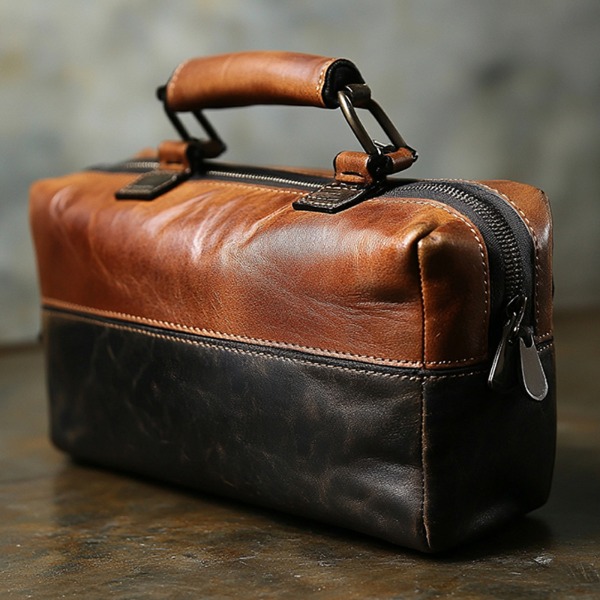
What Role Do Water Resistant Linings Play in Liquid Protection?
The inside of a toiletry bag faces a different set of conditions from the outside. Shampoo, lotion, toothpaste, cosmetics, and other products can leave residue even when no bottle has visibly leaked. Damp containers can also introduce moisture after use.
A water-resistant lining creates a surface between the stored items and the outer fabric. If a small amount of liquid escapes from a container, the lining can make wiping easier and reduce direct contact with the textile body.
EVA and PEVA are often considered for this type of internal construction because they can form smooth, flexible surfaces suited to cleaning. Such materials can also work with compartmentalized layouts, where several pockets or sections need to be cleaned separately.
The internal surface becomes particularly useful when a bag contains products with different textures. A thin layer of lotion may leave a greasy film, while toothpaste or soap can dry into a harder residue. A material that allows simple wiping can reduce the need for aggressive cleaning.
Several design details affect the usefulness of an inner lining:
- the lining should cover the intended internal area;
- corners should remain accessible for cleaning;
- pocket connections should not create difficult-to-reach gaps;
- the material should remain stable during folding;
- contact with common toiletry residues should be considered during material selection.
A water-resistant lining should not be treated as proof that the entire bag can contain liquid indefinitely. Openings, seams, zippers, and stitched attachment points can still provide paths for moisture movement.
Why Are Welded Seams Changing Waterproof Bag Construction?
Seams create one of the clearest differences between a water-resistant material and a more complete moisture barrier. A fabric may resist water across its surface, yet conventional stitching creates small openings where a needle passes through the material.
For ordinary travel storage, such construction may be sufficient when the main purpose is to protect contents from splashes or damp surfaces. Greater attention to liquid containment requires a different approach to joining the material.
Heat-based seam construction can connect compatible layers without producing the same series of needle holes found in sewn seams. Seam tape can also cover selected stitched areas and provide an additional barrier.
The choice of joining method depends on the material and the location of the seam. A bag may contain several types of connections, including:
- Main body seams — connect larger sections of the bag.
- Bottom seams — carry stress when the bag is filled.
- Pocket seams — join internal compartments.
- Corner connections — combine several panels in a confined area.
- Closure areas — connect the body with the opening structure.
Each location presents a different construction challenge. A bottom seam may experience repeated pressure from stored items, while a pocket connection may be exposed to spilled liquid during cleaning.
Welded construction can be useful where compatible materials allow heat-based joining. Sewn construction remains practical for materials and designs that depend on traditional textile assembly. The important consideration is whether the selected joining method matches the intended moisture protection and mechanical demands.
How Are Seams and Materials Working Together?
A waterproof construction cannot rely on the fabric alone. The barrier needs to continue across the areas where separate panels meet. A gap between the outer material and inner layer can create a path for moisture even when both materials have suitable surface properties.
Material combinations therefore need to be considered during the early construction stage. A coated textile may require one joining approach, while a film-based material may support another. The lining, outer layer, seam treatment, and closure also need to work as one structure.
For a Toiletry Storage Bag, this approach changes the design question from “Does the fabric resist water?” to “Where can moisture enter, travel, or remain inside the finished product?” That shift brings material selection closer to practical bag construction and everyday maintenance.
How Are Zippers and Closures Affecting Moisture Containment?
The opening can become a weak point in an otherwise water-resistant bag. Fabric panels may resist moisture across their surfaces, while a conventional zipper can leave small paths around the teeth, tape, or connection between the zipper and bag body.
A water-resistant zipper can address part of this issue by using a protective film or treated tape along the zipper area. The design still needs to account for how the zipper connects with the surrounding material. A protected zipper attached to an untreated seam may leave another route for moisture to enter.
Some bags use a roll-top closure instead of a conventional zipper. Rolling the opening creates several layers of material that can help contain liquid inside the storage space. Such a structure can suit situations where liquid containment matters more than quick access.
Closure selection can depend on practical use:
- Frequent access: A zipper provides a familiar opening method for repeated use.
- Internal liquid storage: A roll-top structure can provide a different approach to containment.
- Compact construction: A zipper may integrate more easily with pockets and shaped panels.
- Cleaning access: A wider opening can make it easier to reach the inner corners.
- Material compatibility: The closure needs to connect securely with the selected outer and inner layers.
For a Toiletry Storage Bag, moisture protection depends on the complete opening structure rather than the zipper component alone. The surrounding seam, zipper tape, lining, and outer material all influence how water moves through the area.
How Do Interlinings Affect Durability Around Leaking Toiletries?
Interlining is often added to give a bag more body or support. Traditional adhesive bonding can become a concern when the inner structure is repeatedly exposed to moisture or residues from toiletries. Liquid soap, oils, creams, and other substances may reach the connection between layers after a container leaks.
When the adhesive connection weakens, layers can begin to separate. The problem may appear as bubbling, loose areas, or changes in the shape of the bag. Repeated folding can make the separation more noticeable.
| Construction Area | Main Material Concern | Possible Issue |
|---|---|---|
| Bag Base | Moisture and liquid exposure | Surface wear or material separation |
| Pocket Edges | Repeated contact with toiletries | Edge loosening or delamination |
| Inner Corners | Liquid residue and folding | Localized material stress |
| Handle Attachments | Multiple material layers | Separation around attachment points |
| Sewn Interlining | Needle holes and moisture entry | Reduced liquid resistance |
| Bonded Interlining | Adhesive contact with moisture | Adhesive weakening or delamination |
A sew-in interlining provides another construction approach. Instead of depending entirely on adhesive between the structural layer and outer material, the support layer can be secured through stitching at suitable locations.
The choice depends on the intended structure. A soft travel pouch may need only limited support, while a compartmentalized cosmetic case may require a firmer internal shape. Moisture exposure should be considered alongside the desired feel and flexibility.
Important areas include:
- the base of the bag, where stored items place pressure on the structure;
- pocket edges, where several layers meet;
- corners, where material can fold repeatedly;
- areas around handles or attachment points;
- sections exposed to frequent contact with spilled products.
The internal structure needs to remain stable after cleaning as well. A material combination that performs well when dry may behave differently after repeated wiping or exposure to moisture.
How Can Construction Reduce Problems Caused by Liquid Leakage?
Liquid leakage is a practical issue because toiletry containers do not always remain completely dry during storage. A loose cap, damaged seal, or residue around a bottle opening can leave liquid inside the bag.
The way the storage space is shaped influences what happens next. A flat internal base can make spilled liquid easier to locate and wipe away. Deep folds or tightly closed corners may allow residue to remain unnoticed.
Internal compartments also change the situation. Separate sections can keep individual items organized, but stitched or joined dividers create additional connection points. If the internal material is difficult to clean, residue can collect around those joints.
A practical construction may consider:
- Bag base: A stable, accessible bottom surface helps with wiping.
- Corner shape: Less complicated corners can reduce areas where residue collects.
- Pocket placement: Compartments should not create unnecessary hidden gaps.
- Opening size: Adequate access makes internal cleaning easier.
- Seam position: Areas exposed to liquid require appropriate joining methods.
These details become more important when a bag is used for wet toiletries rather than only dry personal items. Waterproof material provides part of the protection, while the internal layout determines how manageable a spill becomes.
What Makes Easy Cleaning Important in Toiletry Storage Bag Design?
Cleaning is closely connected with material selection. A toiletry bag can collect water, soap, lotion, cosmetic residue, and dust during normal use. Fabric with a textured surface may hold residue differently from a smooth coated or film-based interior.
A wipe-clean surface can reduce the need for extensive washing. The shape of the interior matters just as much. Narrow pockets, deep corners, and tightly folded seams can make routine cleaning difficult even when the material itself is easy to wipe.
A practical cleaning-oriented design may include:
- smooth internal surfaces;
- accessible corners;
- limited areas where residue can collect;
- moisture-resistant lining;
- secure connections between pockets and the main body;
- materials that tolerate repeated wiping.
Easy cleaning also affects how the bag is stored after use. If moisture remains trapped inside, the internal area may stay damp for an extended period. A wide opening and wipeable surfaces can make drying and routine maintenance easier.
For a Toiletry Storage Bag, moisture protection and cleaning should be considered together. A surface that resists water but is difficult to access may still create maintenance problems. Construction needs to support both containment and practical care.
How Does a Toiletry Bag Manufacturer Build Around Waterproof Materials?
Material selection affects nearly every stage of production. A textile with a coating may follow a different assembly process from a film-based material designed for heat joining. The inner lining, structural support, zipper, and seam treatment must also be compatible with the chosen construction.
A Toiletry Bag Manufacturer may assess several areas during production:
- material thickness and flexibility;
- compatibility between outer and inner layers;
- seam placement;
- closure attachment;
- pocket construction;
- surface condition after assembly;
- connection quality around corners and edges.
Inspection is not limited to the fabric surface. Areas where separate materials meet deserve attention because moisture can enter through an imperfect connection even when the surrounding material remains intact.
Production planning can also influence the final shape. Cutting, folding, sewing, bonding, or heat joining may place different stresses on the material. A construction method needs to preserve the intended barrier while allowing the bag to open, close, fold, and carry its contents normally.
For a Toiletry Bag Manufacturer, waterproof construction is consequently a combination of material behavior and assembly choices. Coatings, membranes, linings, seams, closures, and internal supports each have a role. When those parts are selected as a connected system, moisture protection becomes part of the bag structure rather than a surface treatment added at the end.




Copyright © Zhejiang Yisen Bags Co., Ltd. All Rights
Reserved
OEM/ODM Bag Manufacturer
