

 English
  中文简体
中文简体  Français
  Español
  italiano

Does a Thermal Insulated Cooler Bag Work for Carrying Baby Food and Bottles
Home / Blog / Industry News / Does a Thermal Insulated Cooler Bag Work for Carrying Baby Food and Bottles
 Home / Blog / Industry News / Does a Thermal Insulated Cooler Bag Work for Carrying Baby Food and Bottles
Does a Thermal Insulated Cooler Bag Work for Carrying Baby Food and Bottles
2026-09-18
Taking baby food and bottles outside involves more than finding room inside a bag. Milk, prepared formula, purees, and warm food each carry their own storage needs, while outdoor temperature and travel conditions shape how quickly food gains or loses heat along the way.
A Thermal Insulated Cooler Bag can help slow those temperature changes during transport. Its insulation works as a barrier between the contents and whatever's happening outside, while cooling or heating accessories supply the actual temperature source. The bag on its own doesn't make anything cold or hot — it just slows down what would otherwise happen faster.
For cold items, frozen gel packs or ice packs can sit around suitable containers. Warm water or food, on the other hand, travels better in a heat‑retaining bottle or container. Which approach makes sense depends on what's being carried and how it needs to hold its temperature before feeding time.
Can a Thermal Insulated Cooler Bag Carry Baby Food and Bottles
Baby bottles and food containers often travel together during outings, though their contents don't share the same storage requirements. Milk tends to need a cool environment, while a prepared meal might be meant for immediate use or kept warm for a limited stretch.
Insulation works by slowing how heat moves between the inside and outside of the bag. Without an actual cooling source, chilled milk placed inside an insulated bag won't stay chilled indefinitely — the insulation buys time rather than stopping the clock entirely. The same logic applies in reverse for warm food.
For cold items, a workable setup generally includes:
- a clean, tightly sealed bottle or food container
- a frozen gel pack or ice pack
- enough insulation surrounding the packed items
- a bag opening that stays closed between uses
The arrangement inside the bag matters too. A bottle standing upright tends to reduce leakage risk, and sealed puree containers can sit apart from items that need to stay clean and dry.
For families juggling several items at once, internal layout can make a real difference to how the day goes. A compact bag might suit a single bottle and cooling pack just fine, while a larger compartment gives room for several containers plus extra food.
Surrounding conditions still count for something. A hot outdoor environment, frequent opening, direct sunlight, or a long stretch on the road can all speed up temperature change. Insulation slows the process — it was never going to stop it outright.
How Can Baby Milk and Purees Be Kept Cool During Travel
Cold milk and purees need a different packing approach than dry snacks or shelf‑stable food. A cooling source has to travel alongside the food so the insulated space starts out at a suitably low temperature rather than trying to catch up later.
An ice pack or frozen gel pack can sit next to the food containers, with the exact arrangement depending on the bag's shape and the container sizes involved. Leaving unnecessary gaps around the cooling source reduces contact, while cramming too many items into one compartment can make things awkward to pull out later.
The containers themselves should be sealed before they go in. A secure lid helps prevent spills, especially once the bag starts getting jostled around or strapped to a stroller.
A simple packing order might look like this:
- Place a cooling pack inside the insulated compartment.
- Add sealed milk bottles or food containers.
- Position additional cooling material around the items where it fits.
- Keep the opening closed once everything's packed.
- Pull out only the item needed for that feeding.
Frequent opening is worth paying attention to, since warm outside air slips in every time the bag gets opened. Digging around for a bottle or puree container several times over the course of a trip can gradually shift the internal conditions more than expected.
The type of food also shapes how it should be handled. Milk and prepared formula carry different storage considerations than sealed fruit puree or packaged snacks. Anything requiring refrigeration should stay under proper cold‑storage conditions rather than leaning on the bag's insulation alone to carry the load.
Container placement can also help avoid cross‑contamination. A leaking puree container can affect bottles, wipes, utensils, or other supplies nearby. Separate sealing and a bit of simple internal organization make cleanup considerably easier when something does go wrong.
What Role Do Ice Packs Play Inside an Insulated Cooler Bag
Insulation and cooling serve two different jobs. The insulated walls slow heat transfer, while the ice pack or frozen gel pack actually provides the cooling effect. Used together, they create a more controlled environment for chilled food during transport than either could manage alone.
The cooling pack should be prepared according to its own handling instructions before use. Once it's sufficiently chilled, it can sit close to the food containers inside the insulated compartment.
A few practical points tend to make packing easier:
- choose a cooling pack that actually fits the available space
- keep the pack clean and free from damage
- place sealed food containers where they'll stay stable
- avoid packing so tightly that bottles can't be pulled out safely
- limit unnecessary opening during travel
The condition of the cooling pack matters as well. A damaged pack may leak, and one that's warmed up substantially won't offer the same cooling effect it started with. Checking the accessory before heading out is really part of food preparation rather than something to think about afterward.
External conditions play into the result too. Heat from the surrounding environment works its way in through the bag material and through the opening itself, while direct sunlight can push the temperature around the bag even higher. Keeping the bag somewhere shaded and relatively cool cuts down on that extra heat exposure.
The cooling arrangement should also match the length and nature of the trip. A short outing might get by with a simple setup, while a longer journey calls for more careful thinking around food type, cooling capacity, how often the bag gets opened, and overall storage conditions.
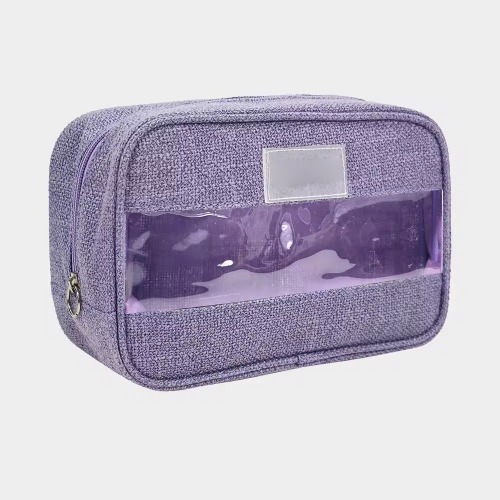
Can Insulated Bags Carry Warm Baby Food and Hot Water
Warm food and hot water can travel in an insulated bag too, though the preparation method looks different from chilled food. Instead of a frozen cooling pack, a heat‑retaining bottle or suitable food container supplies the initial warmth.
Preheating the insulated compartment can help narrow the temperature gap between the container and the surrounding bag. Warm water works well for this, as long as the bag and its lining are suited to that kind of handling.
A heat‑retaining container should be closed securely before it goes inside. Food containers can then be arranged so they stay upright and don't shift around during movement.
Temperature checks stay important before feeding, regardless of setup. The outside of a bottle or container doesn't always reflect what's happening inside, particularly when heat hasn't distributed evenly. Testing a small amount of food before serving remains a practical habit worth keeping.
Warm and cold storage also come with different limitations. An insulated bag can slow heat loss, but it doesn't replace a dedicated heating device. As the journey stretches on, internal temperature will keep shifting according to surrounding conditions, container design, how often the bag gets opened, and the starting temperature it began with.
Planning, then, starts with the food itself rather than the bag. Cold milk needs proper cooling support, while warm water or food needs a suitable heat‑retaining container. The insulated bag steps in as an added barrier against rapid environmental temperature swings — not as the temperature source itself.
How Should Bottles and Baby Food Containers Be Arranged
Packing order can make a real difference when several bottles and food containers need to share one insulated bag. Bottles tend to behave better when kept upright, especially with milk or liquid food inside — a stable position also cuts down the chance of a loose cap bumping against something else during the trip.
Container size should roughly match the bag's internal space. Large boxes can leave narrow gaps around smaller bottles, and an overloaded bag ends up pressing against lids and zippers in ways that aren't great long‑term. Leaving room for cooling or heat‑retaining accessories also helps keep everything from shifting around.
A workable arrangement might include:
- bottles placed upright where the bag allows it
- baby food kept in tightly sealed containers
- ice packs positioned beside or around chilled items
- warm food stored inside a suitable heat‑retaining container
- small snacks tucked into separate pouches or side compartments
For short trips, a compact single‑bottle bag is often easier to carry around. Families managing several bottles or food containers at once may need a wider interior with dividers or separate compartments instead. Attachment points can matter too, particularly when the bag needs to travel alongside a diaper bag or stroller.
Why Does Separation Matter When Packing Baby Food
Milk, purees, snacks, and other foods don't necessarily need the same packing conditions. Keeping them apart makes different storage requirements easier to manage and cuts down on unnecessary handling once the trip is underway.
Sealed containers earn their keep especially with liquid or semi‑liquid food. A bottle cap that works loose inside the bag can turn into an annoying cleanup situation, and a puree container without a secure seal can leak straight into the lining. Containers built for travel tend to reduce these headaches considerably.
Separation supports cleaner handling too. Raw ingredients, prepared food, and ready‑to‑feed items shouldn't sit together without some kind of protection between them. Separate compartments or small sealed pouches offer a simple way to keep different items from mixing.
| Item | Useful Packing Method | Main Packing Concern |
| Milk bottle | Keep upright with cooling support | Leakage and temperature change |
| Prepared formula | Use a sealed bottle or container | Storage condition |
| Puree | Tight food container | Leaking or spilling |
| Warm food | Heat‑retaining container | Heat loss |
| Snacks | Small sealed pouch | Moisture and contact |
Opening the bag over and over can affect its internal condition as well. When bottles and food get arranged according to when they'll actually be used, the item that's needed can come out without disturbing everything else. A bit of planning at the packing stage tends to make outdoor feeding a lot less disruptive.
How Should a Thermal Insulated Cooler Bag Be Cleaned After Use
Milk, puree, and other baby foods can leave residue on the inner surface even when a container seemed to stay closed the whole trip. Cleaning fairly soon after use helps stop food residue from settling into seams, corners, zippers, or other spots that are annoying to reach later.
The lining deserves particular attention since small spills tend to spread across the bottom of the bag rather than staying put. A soft cloth paired with a cleaning method suited to the bag material can usually handle everyday residue. Harsh cleaning products are best avoided unless the manufacturer specifically says the material can handle them.
After cleaning, the bag needs to dry fully before it gets stored away. Closing up a damp bag can trap moisture inside the lining and around the zipper area, which isn't ideal. Air circulation helps during drying, particularly after a trip that involved milk or liquid food.
Cooling accessories need their own regular care too. Ice packs and reusable gel packs should be cleaned according to their material and build. Any pack that's damaged, cracked, or leaking should be pulled from use rather than tucked back inside the bag for next time.
A simple after‑use routine might look like:
- Remove bottles, containers, and accessories.
- Wipe away food or drink residue.
- Clean the inner lining and areas around the zipper.
- Rinse or wipe reusable cooling accessories as needed.
- Leave the bag open until the inside is completely dry.
- Store the bag and accessories somewhere dry.
Regular cleaning isn't just about keeping things looking tidy. It also makes the interior easier to check before the next trip and helps spot damaged seams, loose closures, or worn insulation before they turn into bigger problems.
What Should Be Considered Before Taking Baby Food Outdoors
The packing method needs to fit the type of food, the travel conditions, and how it'll actually be handled along the way. Cold milk and puree generally need a proper cooling source, while warm food or hot water calls for a heat‑retaining container instead. Insulation slows temperature change, but it doesn't stand in for a refrigerator, an active heating device, or a proper food‑storage method.
Before heading out, a few practical details are worth checking:
- Is the bottle or food container properly sealed?
- Does the cooling pack have enough contact with chilled items?
- Is the heat‑retaining container closed securely?
- Can the bag stay closed during transport?
- Are different foods kept separated where it matters?
- Is the interior clean and completely dry?
- Can the food be checked before feeding?
Outdoor conditions can shift how the bag actually performs too. Direct sunlight, a hot vehicle, opening the bag often, and a long stretch outside can all speed up heat transfer. Keeping the bag away from unnecessary heat and opening it only when there's an actual need helps preserve the storage conditions it was set up for.
For families relying on a Thermal Insulated Cooler Bag, preparation matters just as much as the bag itself. The bag provides insulated space, sure — but cooling packs, heat‑retaining containers, sealed food boxes, and a sensible packing arrangement are what determine how well that space actually gets used.
Food is worth checking before feeding rather than trusting how the outside of the bag feels to the touch. Changes in appearance, smell, container condition, or temperature can signal that something shouldn't be used. Following storage instructions for the specific food still matters, even with a good bag doing its job.
A well‑organized bag tends to make feeding outside the home considerably easier to manage, especially once bottles and food containers are prepared according to their own storage needs. Insulation mainly slows environmental temperature changes — safe handling still comes down to suitable containers, cooling or heat‑retaining methods, cleanliness, and whatever conditions show up during transport.







Copyright © Zhejiang Yisen Bags Co., Ltd. All Rights
Reserved
OEM/ODM Bag Manufacturer
