

 English
  中文简体
中文简体  Français
  Español
  italiano

How to Choose a Small Canvas Makeup Bag for Travel and Home


How to Choose a Small Canvas Makeup Bag for Travel and Home
2026-05-29
Cosmetic items usually spread across different places in daily life. Some stay in the bathroom, some end up in handbags, and a few follow people into travel luggage without a fixed place. Over time, small products like cream jars, lip items, brushes, and wipes start to feel harder to keep track of. The situation is common in both home routines and short trips.
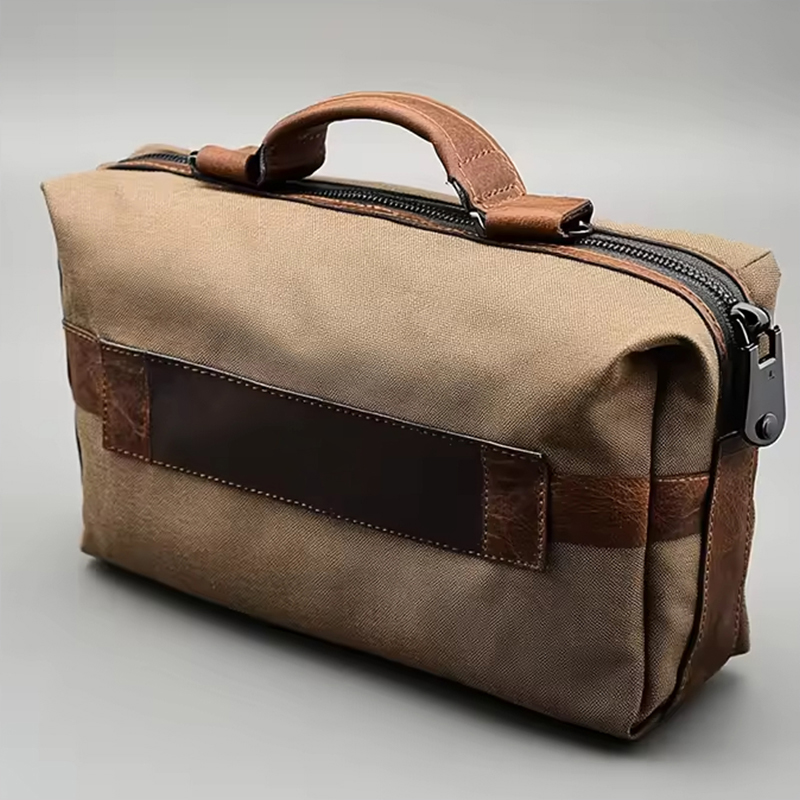
A Small Canvas Makeup Bag often works as a simple holding space for these scattered items. It does not change how people use cosmetics, only gives them one place to stay when they are not in hand. The fabric is soft, so it fits inside larger bags without taking a fixed shape. That makes it easy to move between different daily situations.
In many cases, organization is less about storage size and more about avoiding small interruptions in routine. A single pouch for frequently used items can reduce those small moments of searching or repacking.
Why Is a Small Canvas Makeup Bag Useful for Short Trips?
Short trips usually happen with limited time for preparation. Packing often feels quick, sometimes even rushed. In that process, cosmetic items tend to be the ones most likely to get scattered. A tube of cream might end up beside clothing, a brush might sit loose in a pocket, and small items can disappear into corners of a suitcase.
A canvas makeup bag helps hold these pieces together so they behave as one group inside luggage. That simple structure changes how packing feels. Instead of placing items one by one, they go in together, and unpacking becomes less scattered later.
In real use, a small canvas bag often helps with situations like:
- Overnight stays where only a few personal items are needed
- Short visits where luggage space is already limited
- Work-related travel with quick stops
- Gym bags where toiletries and skincare share space with clothes
- Carry-on luggage where separation matters more than volume
One practical point is how soft fabric interacts with luggage space. Canvas does not hold a rigid outline, so it can slide into small gaps between clothes or inside side pockets. That avoids wasted space that hard cases sometimes leave behind.
Another detail shows up when moving between locations. In hotels or temporary stays, unpacking everything is often unnecessary. A small bag can be taken out as a single unit and placed on a table or shelf. That reduces repeated handling of individual items.
At home, the same bag quietly solves a different issue. Many people leave cosmetics on bathroom counters or bedroom surfaces for convenience. Over time, these items spread out and feel disorganized. A canvas pouch gathers them again without requiring a full rearrangement of storage spaces.
What Makes Canvas Material Work Well for Everyday Use?
Canvas fabric is often chosen for simple reasons that only become clear after repeated use. It feels stable in hand, yet not stiff. When placed in a bag, it bends slightly instead of fighting for shape.
That flexibility matters in daily routines. A cosmetic bag rarely stays in one condition. Some days it is full, other days only a few items are inside. Canvas adjusts without feeling too loose or too rigid.
It also behaves quietly in use. Unlike harder materials, it does not create noise when moved inside a larger bag. That small detail becomes noticeable in daily commuting.
Breathability is another subtle point. Cosmetic items, especially in warm or humid environments, sometimes create light moisture inside closed containers. Canvas allows a bit of air movement, which helps reduce that trapped feeling. It is not a controlled system, just a natural property of the fabric.
Cleaning tends to be manageable with basic care. Light stains from powder or cream do not usually require complicated treatment. A gentle wash is often enough to restore usability, depending on the condition.
Canvas also avoids feeling overly formal. It blends into casual daily environments without standing out. That makes it suitable for both home use and travel without needing separate storage tools.
How Does Size Influence Real Packing Habits?
Size often changes behavior more than expected. A larger cosmetic bag gives freedom, yet that freedom sometimes leads to carrying more items than needed. Over time, this can make luggage heavier and less organized.
A smaller canvas makeup bag introduces a natural limit. It forces a small decision each time: what stays and what stays behind. That decision often improves packing clarity without extra effort.
In real routines, typical items placed inside a compact bag often include:
- A basic cleanser or small bottle
- Moisturizing cream for daily use
- One foundation or compact item
- Simple brush or applicator
- A few small hygiene items like cotton pads or wipes
Not every cosmetic item needs to travel every time. A small bag helps reflect that idea in practice.
Size also affects how items are found later. In a compact space, visibility improves because fewer layers are stacked. Items tend to sit side by side instead of disappearing underneath others. That reduces the need to dig through layers during rushed moments.
| Use Situation | Packing Behavior | Result in Daily Use |
|---|---|---|
| Light travel | Only essentials selected | Faster packing and unpacking |
| Regular commuting | Small touch-up items | Easy access during the day |
| Home organization | Mixed small products | Less scattered surfaces |
| Occasional trips | Flexible selection | Balanced storage use |
At home, a smaller bag also prevents small items from spreading across multiple locations. Instead of being left in different rooms, they stay in one container that can move when needed.
Size does not only define capacity, it also shapes habits. Smaller storage often leads to simpler routines without extra planning.
Why Do Shape and Internal Layout Affect Daily Convenience?
A cosmetic bag may look simple from the outside, yet internal structure often decides how easy it feels to use.
Flat shapes are common because they fit into handbags without pushing other items aside. They stay close to the body of the bag, which makes carrying more stable during walking or commuting.
Box-like shapes behave differently. They stand better on flat surfaces, which helps when placed on a counter or shelf. Items inside stay more upright, which reduces mixing during use.
Inside the bag, layout changes how quickly items can be reached. A single open space gives flexibility, though items may shift during movement. Light separation adds order, especially for small brushes or liquid containers.
A simple view of layout behavior:
| Internal Design | Everyday Effect | Common Feeling |
|---|---|---|
| Open space | Flexible but mixed items | Easy packing, slower searching |
| Light divisions | Basic grouping | Balanced access and order |
| Multiple sections | Clear separation | Fast retrieval, less mixing |
In real use, too much separation can reduce flexibility. Large items may not fit well, and the bag can feel restricted. A balanced layout often works better, especially when routines change from day to day.
Zipper placement also matters in practice. A wider opening makes it easier to see everything inside without fully removing items. That becomes helpful during morning routines or travel stops.
Inner lining plays a supporting role. A smoother surface inside the bag makes cleaning simpler when powders or creams spill. It also helps reduce residue sticking to fabric, which keeps the bag usable for longer periods of daily use.
What Practical Details Help a Canvas Makeup Bag Last Through Daily Use?
Every cosmetic bag goes through repeated opening, closing, and packing. Over time, the small stress points slowly show whether a design feels stable or not. In real use, durability is rarely about one single feature, more often it comes from several small details working together.
Stitching is one of those details people usually notice only after problems appear. A canvas bag with steady seam lines tends to hold its shape better during repeated loading. Corners are often the first place where strain builds up, especially when bottles or heavier items are placed inside. Reinforced stitching in those areas helps reduce loosening over time.
Zippers also carry more responsibility than they seem to. A smooth zipper makes daily use feel effortless. When it catches or drags, users often apply extra force, and that gradually affects the surrounding fabric. A stable zipper track reduces that pressure and keeps opening actions more consistent.
Handles, when present, are not only for carrying. They also help during quick movements, such as taking the bag out of a larger suitcase or hanging it temporarily on a hook in a bathroom or hotel room. Even small reinforcement at the handle joints can improve overall stability.
Inner lining is another quiet factor. Cosmetic products sometimes leak or leave residue, especially powders or creams. A lining that is easy to wipe helps keep the bag usable without deep cleaning every time. It also prevents the outer canvas from absorbing stains too quickly.
| Detail Area | What Happens in Use | What It Affects |
|---|---|---|
| Stitching | Repeated loading and pulling | Shape stability |
| Zipper | Daily opening and closing | Ease of access |
| Handle points | Lifting and carrying | Portability |
| Inner lining | Contact with products | Cleaning effort |
These parts rarely stand out when a bag is new, yet they influence daily comfort more than appearance does.
How Do Different Use Situations Change the Choice of Canvas Bag?
The same cosmetic bag can feel different depending on where and how it is used. A travel environment, a workplace, and a home bathroom each create different expectations.
During short travel, movement is constant. Bags are placed inside luggage, taken out at stops, and sometimes handled in limited space. In that situation, a compact shape with simple structure often feels easier to manage. The goal is not to carry everything, only to keep essentials together without confusion.
In commuting routines, the bag usually stays inside another larger bag for most of the day. What matters more here is flatness and weight. A soft canvas pouch that does not create bulk fits better into everyday bags that already carry other items like electronics or documents.
At home, the same item becomes more of a stationary organizer. It may stay on a bathroom shelf or bedroom surface. Here, visibility and easy access matter more than portability. A slightly wider opening can make reaching items faster, especially during morning routines.
Outdoor or casual activity use brings another layer of need. Dust, light pressure, and movement become common. A closed structure with a secure zipper helps keep items together while still allowing quick access when needed.
Instead of one fixed design working for all situations, different habits often lead to different preferences in shape and internal layout.
What Packing Habits Make a Small Canvas Makeup Bag More Useful?
A small canvas bag does not change what cosmetics people own, it changes how they are grouped together. Packing habits therefore play a big role in how useful the bag feels.
One common habit is separating items by frequency of use. Products used every day stay inside the bag, while occasional items remain outside. This reduces unnecessary carrying and keeps the interior less crowded.
Another habit involves grouping by function. Skin care items stay together, makeup items stay together, and hygiene products form a small separate group. Even inside a single pouch, simple grouping reduces searching time.
In daily practice, a more stable packing pattern often includes:
- Keeping liquids upright or tightly closed
- Placing heavier items at the bottom of the bag
- Putting small tools near the opening for quick reach
- Avoiding mixing sharp accessories with soft items
- Leaving a little empty space for flexibility during movement
Small habits like these reduce internal shifting during travel. When items move less inside the bag, opening it later feels more organized.
Overpacking is a common issue. A canvas bag can stretch slightly, which sometimes gives the impression that more items can fit easily. However, too much filling reduces visibility and makes retrieval slower. Leaving space inside often improves daily use more than filling every corner.
How Does Cleaning Affect Long-Term Use of Canvas Bags?
Daily cosmetic use naturally leads to small stains or residue inside the bag. Powder dust, cream marks, or liquid spots can build up slowly, especially when items are placed back without full cleaning.
Canvas fabric usually handles cleaning in a straightforward way. Gentle hand washing is often enough to remove light buildup. Strong scrubbing is not necessary and may affect the texture over time.
In real-life use, cleaning habits often follow a simple cycle:
- Light wiping after noticeable spills
- Occasional full wash when buildup becomes visible
- Air drying in open space instead of enclosed areas
- Emptying the bag completely before cleaning
- Checking corners where residue may collect
Drying method matters as well. Placing the bag in a well-ventilated area helps maintain fabric condition. Folding it while still damp may affect shape and create lingering moisture inside seams.
Odor control is another small but practical issue. Cosmetic products sometimes leave subtle scents inside enclosed spaces. Regular airing helps reduce this buildup without additional steps.
Canvas does not require complex maintenance routines. That simplicity often makes it suitable for repeated daily use.
Why Does a Simple Storage Habit Improve Daily Organization?
A canvas makeup bag may appear as a small object, yet its effect shows in small changes in routine. When frequently used items stay in one place, small interruptions during daily preparation become less frequent.
Morning routines often feel smoother when items are already grouped together. Searching through different drawers or surfaces takes time and interrupts flow. A single pouch reduces that scattered movement.
During travel, unpacking becomes more direct. Instead of placing each item separately, one bag can be placed on a surface and opened as a single unit. That reduces repeated sorting in unfamiliar environments.
At home, it also reduces visual clutter. A counter filled with small bottles and tools can feel crowded. Moving them into a canvas pouch creates more open space without losing access.
Over time, this type of storage habit tends to simplify how personal items are handled. Not through adding more structure, only by keeping commonly used products in one consistent place.







Copyright © Zhejiang Yisen Bags Co., Ltd. All Rights
Reserved
OEM/ODM Bag Manufacturer
