

 English
  中文简体
中文简体  Français
  Español
  italiano

Can a Waterproof Lunch Cooler Bag Protect Food From Leaks and Spills


Can a Waterproof Lunch Cooler Bag Protect Food From Leaks and Spills
2026-08-21
Lunch carried outside the home often includes soups, sauces, drinks, fruit, chilled meals, and other foods containing moisture. Movement during commuting, school, work, travel, or outdoor activities can change the position of containers inside a bag. A lid that appears secure while standing upright may release liquid after repeated shaking or tilting.
Condensation creates another source of moisture. A cold bottle or chilled food container can collect water on its outer surface when exposed to warmer surrounding air. Liquid inside a cooler bag therefore does not always come from a damaged food container. Cold packs and melted ice can also create additional moisture inside the compartment.
Container placement matters as well. A bottle lying sideways can put liquid against the closure for a longer period, while a soup container pressed against another item may experience movement during carrying. Loose items can shift toward the opening when a bag is tilted, increasing the chance of contact with zippers or gaps around the lid.
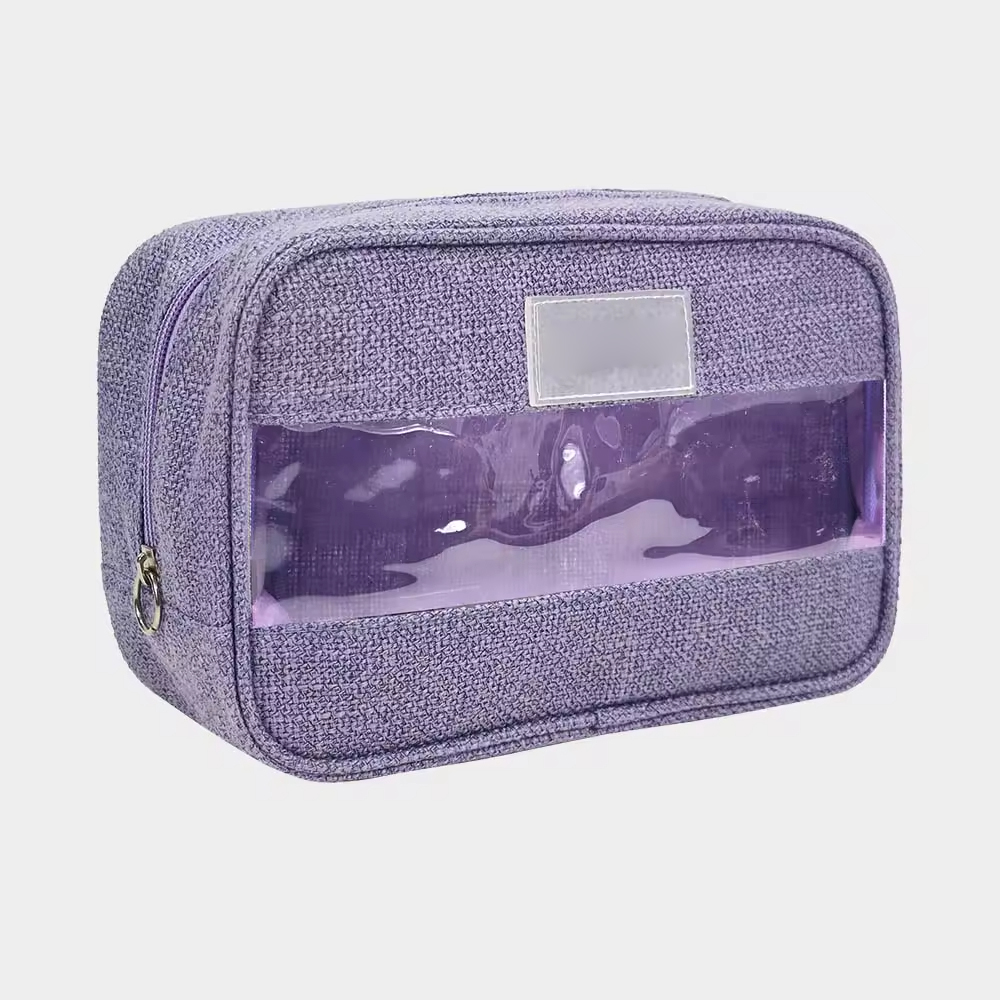
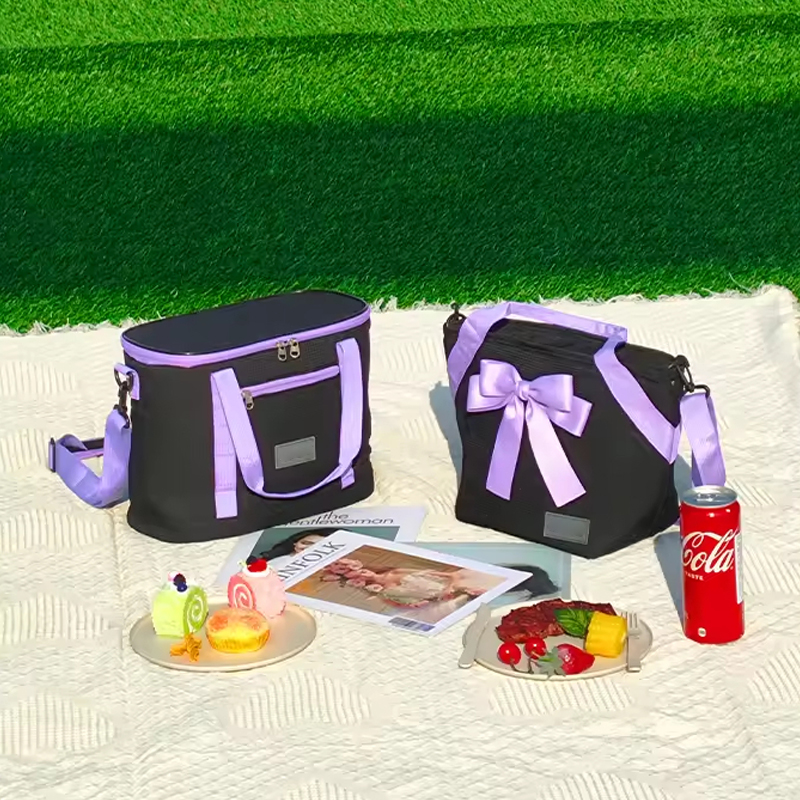
For a Waterproof Lunch Cooler Bag, protection from internal spills depends on more than the outer fabric. A water‑resistant exterior may help keep rain away, while the inner structure needs to contain liquid released inside the compartment.
A practical distinction can be made between three moisture sources:
- Food or drink leakage from a container
- Condensation around chilled items
- Meltwater from cooling materials
Each source places different demands on the bag. A design intended for ordinary lunch transport needs to manage moisture without making the compartment difficult to open, clean, or carry.
What Makes a Lunch Bag Resistant to Internal Spills
Liquid protection starts with the inner compartment. A moisture‑resistant lining creates a barrier between food or drinks and the insulation layer underneath. When a small spill occurs, liquid can remain on the interior surface instead of immediately reaching the outer fabric.
Material selection matters, although material alone does not determine finished performance. A lining can resist water as a flat sheet while leakage still occurs around stitched seams, corners, zipper connections, or attachment points. Production guidance for cooler bags identifies seams and zipper interfaces as areas requiring particular attention because joining separate pieces creates possible paths for moisture.
Construction therefore becomes just as relevant as the lining itself. A continuous interior surface can simplify cleaning and reduce places where food residue collects. Where several panels are joined, the connection needs to maintain suitable contact during ordinary folding, carrying, and loading.
Closure design also affects spill containment. A zipper may keep food inside during normal movement, yet liquid can still approach the opening when a bag is placed on its side. Flaps and other closure arrangements create different conditions around the upper edge.
Calling a bag waterproof should therefore be connected to its intended use. A bag designed to handle small internal spills during upright carrying has different requirements from a container intended to hold loose liquid while lying sideways. Finished‑bag testing needs to reflect the actual use conditions rather than relying only on the water resistance of individual fabrics.
How Does the Inner Lining Help Contain Leaked Food
The lining forms the immediate surface surrounding lunch containers. Smooth, moisture‑resistant material can keep spilled food within the main compartment long enough for it to be wiped away. Such a surface also makes routine cleaning easier because sauce, drink residue, or condensation is less likely to soak directly into the insulation.
Interior construction becomes especially noticeable around corners. Liquid naturally moves toward the lowest point when a bag is set down. Folds, seams, and narrow spaces can collect residue, so a simple interior shape can make maintenance easier.
A lining also protects the insulating layer beneath it. Insulation is designed to reduce heat transfer rather than contain food residue. Once liquid reaches that layer, cleaning may become more difficult, especially where the material contains small spaces or is enclosed between other layers.
For daily use, several lining characteristics are worth considering:
- Moisture resistance to keep accidental spills within the compartment
- Smooth surface for easier wiping
- Stable joining areas around corners and edges
- Suitable interior coverage around the full food compartment
- Resistance to ordinary handling during packing and cleaning
A Thermal Insulated Cooler Bag may use a similar layered structure, with an outer fabric, insulation layer, and inner lining performing different functions. Current cooler‑bag specifications commonly treat insulation, lining, seams, closure, and compartment design as separate parts of finished performance.
Why Do Seams and Closures Matter for Spill Protection
A flat waterproof sheet does not automatically become a leak‑resistant bag after being cut and joined. Once panels are connected, the seams become part of the liquid‑control system.
Traditional stitching creates small openings where the needle passes through the material. Seam tape or another protective treatment can reduce the resulting moisture path, while sealed joining methods can create a more continuous interior surface. Actual performance depends on how the chosen construction is produced and maintained.
Corners deserve additional attention because several panels may meet in one area. Repeated folding, carrying, and loading can place stress around such joints. A poorly finished corner may allow moisture to move beyond the inner compartment even when the main lining remains intact.
Closures present another possible route. Zippers, flaps, and roll‑style openings each have different gaps and contact areas. Liquid that reaches the upper edge may escape when the bag is tilted, especially when the closure is not fully closed.
For that reason, spill protection should be considered as a complete construction rather than a single material feature. Lining, seams, corners, closure, and bag shape all contribute to how liquid behaves inside.
How Does Insulation Work Together With Moisture Protection
Insulation and leak protection solve different problems. Insulation slows heat transfer between the food compartment and surrounding environment, while the lining and joining structure help control liquid movement.
A Thermal Insulated Cooler Bag normally places an insulating layer between an exterior shell and an interior lining. The inner layer protects the insulation from food and moisture, while the insulation helps reduce the effect of outside temperature changes.
A useful way to view the construction is as a group of connected layers:
| Part | Main Role | Relation to Spill Control |
|---|---|---|
| Outer Fabric | Protects the bag from the surrounding environment | Helps reduce outside moisture entry |
| Insulation Layer | Slows heat transfer | Needs protection from food and liquid |
| Inner Lining | Forms the food compartment surface | Helps contain spills and condensation |
| Seams | Join separate panels | Need suitable construction to limit liquid paths |
| Closure | Opens and closes the compartment | Helps keep contents inside during movement |
A thicker insulating layer does not automatically make a bag resistant to spills. Likewise, a moisture‑resistant lining does not determine how long food remains chilled. Each layer needs to perform its intended role while remaining compatible with the others.
Can a Waterproof Design Prevent Every Type of Spill
A waterproof construction can help contain liquid, although it cannot replace a properly closed food container. Soup, sauce, or a drink may still escape when a lid is loose, cracked, or poorly fitted. Once liquid enters the bag in a large amount, pressure can build around seams and the upper opening.
Bag orientation also changes the way liquid moves. An upright cooler keeps liquid closer to the bottom, while a sideways position can bring moisture into contact with the closure. An upside‑down position creates another condition, especially when the contents are not secured inside their containers.
A useful distinction is between spill containment and leak prevention. A well‑constructed inner compartment can keep an accidental spill from reaching the outer fabric, while the food container itself remains responsible for keeping its contents enclosed.
Internal organization can also reduce movement. A bottle placed loosely beside a lunch box may shift during transport, while a snug arrangement can limit sliding and tipping. Dividers or separate compartments may help keep different containers apart.
What Features Should Be Checked for Daily Food Transport
Daily use places repeated demands on a cooler bag. Opening, closing, packing, carrying, setting it down, and cleaning can gradually affect seams and closures. A practical evaluation should therefore look beyond the outer appearance.
Inner Lining
A moisture‑resistant lining helps keep accidental spills inside the food compartment. A surface that can be wiped without difficulty also makes regular cleaning more manageable.
Seam Construction
Joined areas deserve attention because liquid can follow small openings around stitches or panel connections. Sealed or reinforced construction may provide additional protection depending on the bag design.
Closure Design
A zipper, flap, or other closure needs to remain properly positioned during carrying. A closure that leaves a large opening when the bag is tilted may offer limited protection against loose liquid.
Base Structure
A stable bottom helps keep food containers upright. A firm base can also reduce movement when the bag is placed on a desk, vehicle seat, or other surface.
Insulation Layer
Insulation helps control temperature transfer, although it should remain separated from food and liquid by a suitable inner layer.
Handle and Strap
Carrying parts influence how the bag moves. Sudden swinging or repeated tilting can increase movement among containers, which may contribute to spills.
How Does Bag Position Affect Leak Protection
Position has a direct effect on liquid movement inside a lunch bag. When a bag remains upright, spilled liquid tends to collect near the bottom. Such an arrangement gives the lining a chance to contain the moisture away from the closure.
A sideways position changes the situation. Liquid can spread across a larger part of the interior and reach seams or the upper opening. A bag carried on its side for a long period therefore places different demands on the internal construction.
Movement during transport adds another factor. A bottle can roll against a lunch box, while a sauce container may slide toward one corner. Repeated movement can push liquid toward areas that would remain dry during stationary use.
For daily transport, keeping containers stable can reduce unnecessary movement. An internal compartment does not need to be complicated; even simple separation can help prevent containers from pressing against one another.
A practical packing arrangement may follow a few basic principles:
- Keep liquid containers tightly closed.
- Place heavier containers near the bottom.
- Separate fragile containers from hard objects.
- Keep chilled items away from unnecessary movement.
- Avoid forcing too many containers against the closure.
Such habits work together with the bag structure. Neither construction nor packing alone determines how well spills are contained.
How Should Different Foods Be Packed in a Cooler Bag
Different foods create different moisture conditions. Soup and sauces carry free liquid, while fruit and vegetables may release moisture during storage. Drinks can also produce condensation around their containers.
Soup containers should remain upright whenever practical. A secure lid reduces pressure on the bag lining and limits the amount of liquid that could escape during movement.
Drinks need similar attention. A bottle that can roll freely may strike other containers during carrying. Keeping it in a stable position reduces movement and protects the surrounding food.
Moist foods can be separated from dry foods. A small amount of liquid from fruit or prepared food may not create a serious problem for the inner lining, yet direct contact with bread, snacks, paper packaging, or other dry items can affect the contents.
Cold packs create another consideration. Condensation can appear on their outer surface, so placing them beside food rather than directly against items sensitive to moisture can make packing easier to manage.
A Waterproof Lunch Cooler Bag can contain accidental moisture, while careful packing reduces how much liquid reaches the lining in the first place.
How Can a Cooler Bag Be Cleaned After a Spill
Cleaning becomes easier when a spill is dealt with soon after it occurs. Food residue can become harder to remove once it dries around corners, folds, or seams.
After removing the containers, loose food should be cleared from the compartment. A damp cloth can then be used on a suitable wipe‑clean lining. Particular attention should be given to the bottom, corners, and areas around closures because liquid tends to collect in such places.
Strong rubbing is not always necessary. Excessive force may affect the surface treatment or damage a seam over repeated cleaning. The cleaning method should match the material and care instructions supplied for the bag.
Drying also matters. A closed damp compartment can retain moisture and develop an unpleasant smell. Leaving the interior open until it has dried helps keep the storage area in better condition.
A simple cleaning routine can include:
- Empty the entire compartment.
- Remove visible food residue.
- Wipe the interior surface.
- Check corners and seams.
- Allow the inside to dry before storage.
What Is the Practical Relationship Between Insulation and Leak Protection
Insulation and moisture control work alongside each other, although they have different purposes. Insulation helps slow temperature change, while the inner lining, seams, and closure help manage moisture inside the food compartment.
A Thermal Insulated Cooler Bag therefore needs more than an insulating layer when daily use involves drinks, chilled meals, or foods containing liquid. The inner construction needs to protect the insulation from spills, while the outer structure needs to withstand ordinary handling.
For a Waterproof Lunch Cooler Bag, practical leak protection depends on several connected factors:
- Moisture‑resistant interior material
- Suitable seam construction
- A closure suited to the intended use
- Stable placement of food containers
- Reasonable handling during transport
- Cleaning after accidental spills
No single feature controls every situation. A secure food container reduces the source of leakage, while suitable bag construction helps contain moisture that still reaches the compartment.
Daily use also changes the condition of a cooler bag over time. Repeated folding, opening, cleaning, and carrying can affect seams and closures. Checking damaged areas before continued use can help prevent small construction problems from becoming larger moisture issues.
For food transport, the useful question is therefore not simply whether a cooler bag is waterproof. A more practical view considers where moisture comes from, how liquid moves inside the compartment, how the lining contains it, and how the structure behaves when the bag is carried in different positions.






Copyright © Zhejiang Yisen Bags Co., Ltd. All Rights
Reserved
OEM/ODM Bag Manufacturer
