

 English
  中文简体
中文简体  Français
  Español
  italiano



Why Choose a Waterproof Fanny Pack
2026-02-13
Travelers, commuters, and outdoor enthusiasts often search for gear that protects essentials while staying easy to carry. A Waterproof Fanny Pack answers that need by combining mobility with weather resistance. As daily routines shift toward lightweight accessories, waist packs continue gaining attention across multiple user groups.
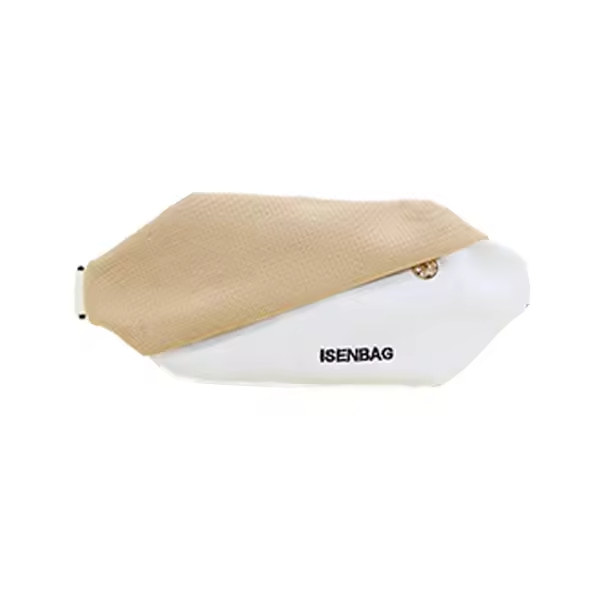
Are Waterproof Waist Packs Becoming More Popular?
Market data shows growing demand for waterproof designs, especially among travelers and fitness users who want durability against environmental exposure. These products now represent roughly 10% of the fanny pack market, reflecting steady adoption.
Fashion influence also contributes to the category’s expansion, with belt bags drawing interest from younger demographics and gaining traction through social media visibility.
For retailers and sourcing teams, this signals consistent buyer curiosity rather than a passing trend.
What Makes a Waterproof Fanny Pack Useful?
A Waterproof Fanny Pack primarily protects items from rain, splashes, and accidental immersion, allowing users to carry electronics or documents with less concern during outdoor activities.
Another advantage involves hands-free movement. Waist packs allow quick access while climbing, cycling, or paddling, which many users find practical compared with handheld bags.
Because the bag sits close to the body, weight distribution feels manageable even during longer outings.
Which Materials Are Buyers Paying Attention To?
Material choice strongly shapes performance. Nylon remains widely used thanks to its lightweight durability, while polyester attracts buyers seeking affordability with water-resistant qualities.
Experts often recommend TPU-laminated nylon for stronger waterproof capability and abrasion resistance, although it may feel slightly stiffer and carry a higher price point.
Multi-layer fabrics with bonded seams help block moisture because stitching holes are eliminated.
When shoppers compare a Waterproof Fanny Pack, these structural details frequently influence purchase decisions more than appearance alone.
How Important Are Seams and Zippers?
Sealed seams act as a barrier that prevents water from entering through fabric joins. Heat-sealed or taped seams provide an added layer of protection.
Zippers deserve equal attention. Smooth operation improves accessibility, while waterproof closures help reduce leakage risk during heavy rain.
One outdoor gear engineer notes that without taped seams, coatings alone may not keep devices dry during a downpour.
These insights explain why many buyers evaluate construction before selecting a Waterproof Fanny Pack.
What Features Are Often Compared Online?
Common comparison points include adjustable waist straps, which create a snug fit and allow freedom of movement.
Multiple compartments also attract attention because they support quick organization and easy access to essentials.
Reflective details may increase visibility during early morning or evening activities, while wipe-clean materials help maintain the bag after exposure to mud or sweat.
Together, these attributes shape the everyday practicality of a Waterproof Fanny Pack.
Could Capacity Influence Buying Behavior?
Capacity often depends on usage. Some waterproof hip packs offer around 4 liters for short adventures, providing enough room for extra gear while staying compact.
Larger designs, such as certain outdoor models, can reach 9 liters and include organizer pockets for valuables.
The choice usually reflects activity level rather than a universal preference. Urban users may lean toward smaller formats, while hikers or anglers sometimes prefer expanded storage.
What Do Real Users Mention About Waterproof Performance?
Online community discussions reveal practical concerns. One rider reported that a non-waterproof zipper allowed rainwater to soak the interior despite the fabric being water resistant.
Another user recommended choosing packs with specialized waterproof closures, noting positive results after switching designs.
Some travelers even test bags by submerging them with paper inside to check moisture protection before trusting them with electronics.
These experiences highlight how small construction details can affect real-world satisfaction with a Waterproof Fanny Pack.
Are Lightweight Designs Still Durable?
Modern waterproof packs often balance strength with portability. For example, certain models use polyurethane-coated polyester blends with welded seams that withstand quick submersion while remaining lightweight.
Others incorporate waterproof fabric paired with breathable back panels to maintain comfort during extended use.
This combination supports both outdoor recreation and everyday commuting.






Copyright © Zhejiang Yisen Bags Co., Ltd. All Rights
Reserved
OEM/ODM Bag Manufacturer
