

 English
  中文简体
中文简体  Français
  Español
  italiano



How to Choose a Kids Lunch Bag
2026-02-06
Parents often search for practical ways to support daily school routines, and a reliable Kids Lunch Bag often becomes part of that conversation. Beyond simple food storage, modern lunch bags reflect lifestyle habits, mobility needs, and changing expectations around convenience. Understanding what shapes purchasing decisions can help buyers select products aligned with real daily use rather than short-term trends.
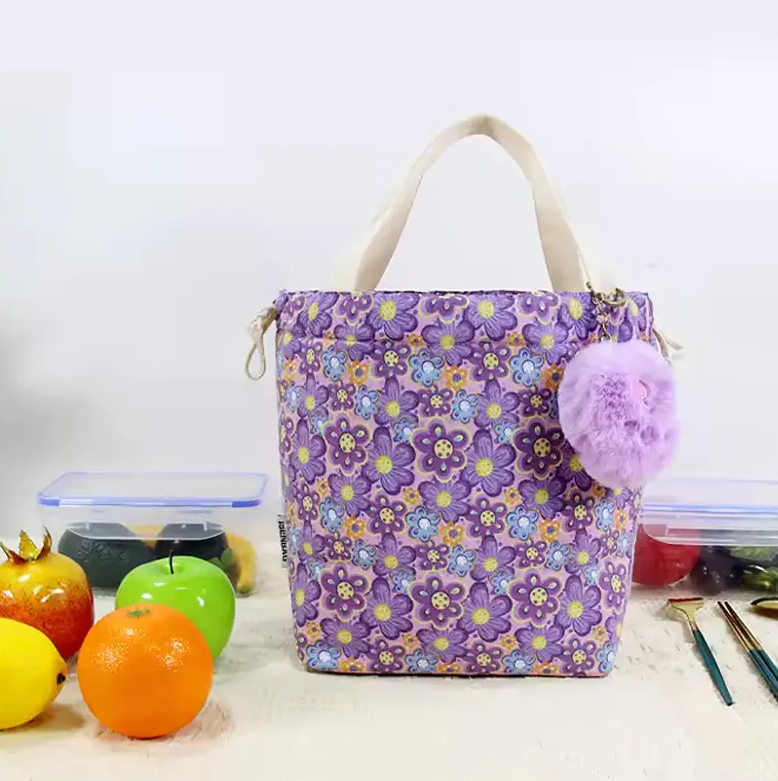
Why Do Parents Focus on Lunch Storage Today?
Busy mornings call for tools that simplify preparation. A thoughtfully designed Kids Lunch Bag allows families to pack meals ahead of time while keeping items organized during transit. Many parents now prefer reusable containers instead of disposable packaging, which makes durable lunch bags more appealing.
Another factor involves portion control and meal planning. With separate compartments or flexible interiors, a lunch bag supports balanced food packing without mixing textures. This structure helps children open their meals easily and recognize each item without confusion.
Portability also plays a role. Children carry backpacks, activity gear, and sometimes sports equipment. A lightweight Kids Lunch Bag fits smoothly into these routines without adding unnecessary bulk.
What Features Are Buyers Comparing Online?
Search behavior often shows that buyers compare materials before making a decision. Fabric options such as polyester blends, insulated linings, or wipe-clean interiors attract attention because they simplify daily care.
Zippers and closures matter as well. Smooth operation allows children to access food without assistance, which supports independence during school breaks. Reinforced stitching is another detail that shoppers notice when evaluating product lifespan.
Temperature retention is frequently discussed, especially for meals packed early in the morning. While buyers understand that conditions vary, insulation still influences product appeal.
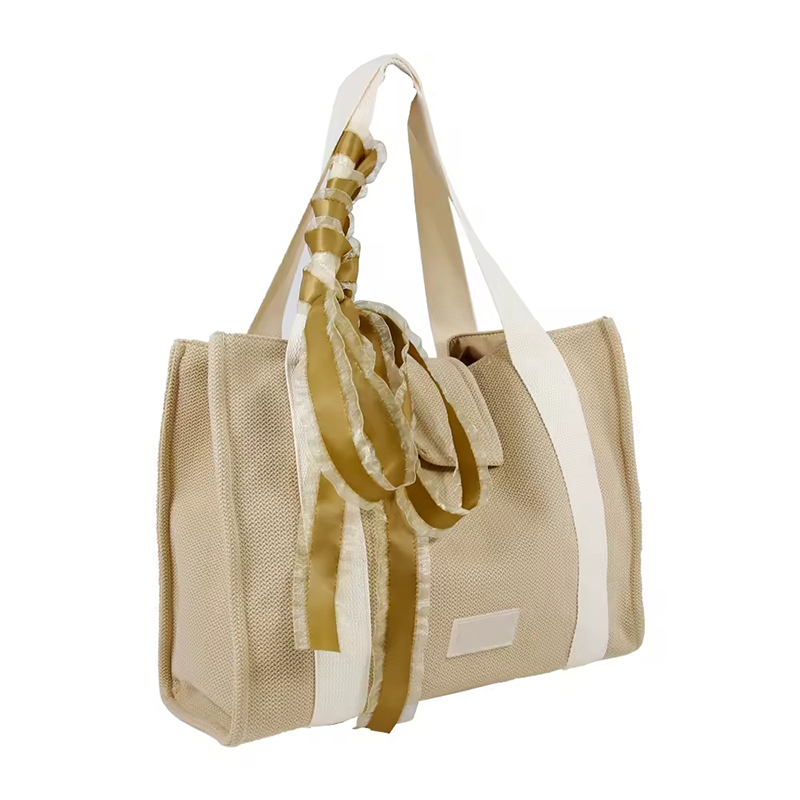
Many listings highlight pattern variety too. A visually engaging Kids Lunch Bag can encourage children to take responsibility for their belongings, turning a practical item into something they enjoy carrying.
Are Size and Structure Important for School Use?
Capacity often depends on age group and eating habits. Younger children may carry compact meals, while older students sometimes pack additional snacks for longer schedules.
A structured Kids Lunch Bag keeps containers upright, reducing the chance of spills inside backpacks. Soft designs, however, can adapt to changing food quantities. Because routines differ from household to household, flexibility often becomes a deciding factor.
Buyers sometimes look for bags that fit inside larger totes, while others prefer standalone options with handles or adjustable straps. Both approaches support different commuting styles, from walking routes to car drop-offs.
How Does Design Influence Daily Habits?
Children tend to respond positively to items that reflect their personality. Color palettes, playful graphics, or simple modern styles all contribute to product appeal.
At the same time, many caregivers search for designs that remain suitable as children grow. A neutral Kids Lunch Bag may transition across school years without feeling outdated, offering longer usability.
Easy-clean surfaces also influence daily habits. When maintenance feels manageable, parents are more likely to prepare home meals rather than rely on cafeteria options.
What Are Retailers Observing in Buyer Preferences?
Retail data often shows steady interest in reusable food storage solutions. Rather than purchasing multiple disposable options, families frequently invest in one dependable Kids Lunch Bag that supports repeated use.
Seasonal shopping patterns appear around back-to-school periods, yet demand continues throughout the year as families replace worn items or adjust to new schedules.
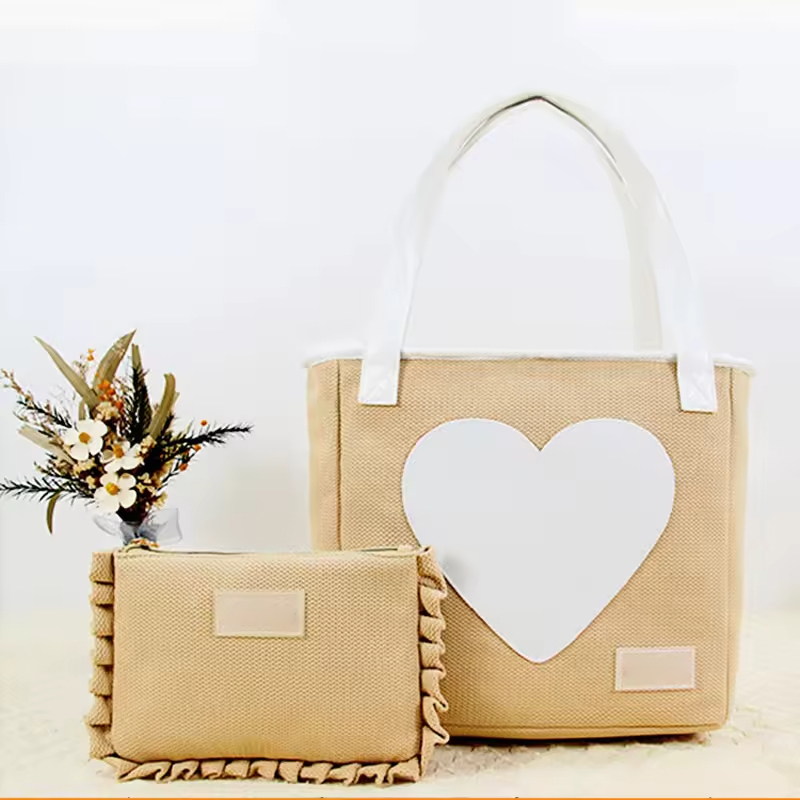
Another observation involves bundle purchasing. Some shoppers prefer coordinated sets that match backpacks or water bottles, creating a consistent look without extra searching.
Could Customization Attract Brand Buyers?
For distributors and private-label brands, customization offers room for differentiation. A manufacturer may provide options such as logo printing, fabric selection, or tailored dimensions. This flexibility allows businesses to align product appearance with their target audience.
Bulk buyers often review production timelines, packaging styles, and color consistency. When a supplier supports these areas, sourcing becomes more predictable.
A customizable Kids Lunch Bag can also support promotional campaigns, school partnerships, or seasonal collections. Distinct branding may help retailers stand apart in competitive catalogs.





Copyright © Zhejiang Yisen Bags Co., Ltd. All Rights
Reserved
OEM/ODM Bag Manufacturer
