

 English
  中文简体
中文简体  Français
  Español
  italiano

What to Look For in a Backpack Outdoor Sport for Rainy Weather


What to Look For in a Backpack Outdoor Sport for Rainy Weather
2026-06-19
What Makes A Backpack Work In Real Rainy Conditions
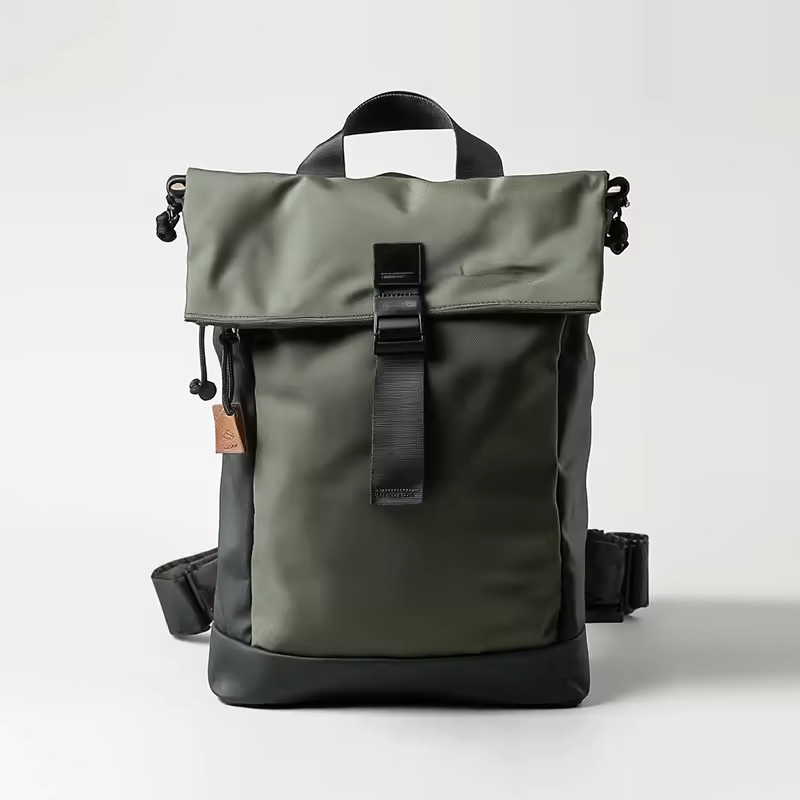
Rainy weather changes how a backpack behaves in real use, especially during walking, commuting, hiking, or short outdoor movement between shelters. A Backpack Outdoor Sport is not only a container for items, it becomes a barrier that is constantly touched by water, friction, and movement at the same time.
In daily life, rain rarely falls in a uniform way. Sometimes it is light and scattered, sometimes it becomes continuous and heavy, sometimes wind pushes water sideways onto the body. Because of this, a backpack needs to handle different contact angles instead of only vertical rainfall.
In practical use, weak points often appear around:
- upper surface where rain lands
- shoulder strap junctions exposed during movement
- side pockets that face wind direction
- bottom area touching wet surfaces
An Outdoor Sports Bag that performs well in rainy conditions usually reduces these weak zones instead of trying to block every drop. Water control is often about direction and timing. If water moves off the surface quickly, less time is available for penetration.
How Water Actually Enters A Backpack During Rain Exposure
Water does not enter a bag in a single instant. It usually follows a slow path through repeated contact. Understanding this helps explain why some bags fail even when fabric looks strong.
Common entry paths in real situations include:
- stitching lines that slightly open during movement
- zipper edges that lose alignment after repeated use
- fabric pressure points when bag is full
- shoulder movement pulling material apart slightly
A Backpack Outdoor Sport under walking motion also changes shape continuously. That shape change creates temporary gaps. Even small gaps allow moisture to collect before it spreads inside.
Instead of thinking only about "waterproof or not", real performance depends on how slow water movement becomes across layers and seams.
What Material Behavior Actually Matters In Rainy Use
Material choice is often discussed in general terms, though real outdoor performance depends more on how material behaves after repeated exposure to moisture and pressure.
A useful material in rainy conditions usually has three visible behaviors:
- water does not stay long on the surface
- surface texture does not swell easily when wet
- flexibility remains stable during movement
A Backpack made from tightly structured fabric does not rely on thickness alone. If the outer layer is too stiff, movement stress may increase seam pressure. If it is too soft without structure, water may collect and stay longer.
Outdoor use in real life includes sitting, adjusting straps, placing the bag on wet ground, and rapid movement. Each action slightly changes how material reacts. That is why mixed-layer fabric structures are often used instead of single-layer solutions.
How Bag Shape Changes Rain Behavior During Movement
Rain protection is not only about material, shape also changes how water travels across the bag surface.
A Backpack with slanted or curved surfaces allows water to move downward more naturally. Flat surfaces behave differently, water tends to remain in place longer, especially near stitching edges or pocket borders.
Real situations show clear differences:
- walking in wind pushes rain toward side panels
- cycling increases water impact on back surface
- standing still allows pooling on flat top areas
- bending or climbing shifts water direction suddenly
An Outdoor Sports Bag that follows body movement often performs better because water does not stay on one fixed point for long. Even small slope differences influence how fast water leaves the surface.
Why Internal Layout Matters More In Rain Than Many People Expect
Inside a Backpack Outdoor Sport, arrangement of space often decides whether rain exposure becomes a small inconvenience or a serious issue for stored items.
In daily outdoor use, items are not all equally sensitive. Phones, documents, clothing, and electronic accessories react differently to moisture. Internal compartment structure helps separate these levels of sensitivity.
Practical internal layout features include:
- dry zone placed farther from outer shell contact
- layered storage pockets reducing direct exposure
- vertical separation preventing water spread downward
- quick-access pockets designed with limited opening time
A real situation example: a bag placed briefly on wet ground may only affect the bottom layer. If internal separation exists, upper items may remain unaffected.
Without separation, moisture tends to spread upward through contact and pressure.
How Zippers And Opening Points Create Real Rain Risks
Zippers are often the place where small water entry begins, especially during movement. A Backpack Outdoor Sport may use strong fabric, though zipper lines remain mechanically active parts that open and close repeatedly.
In daily outdoor use, zippers face:
- constant pulling during access
- slight misalignment during quick opening
- pressure from packed internal items
- exposure to rain while partially open
Even a short opening during rain can allow moisture to enter if zipper protection is weak.
Outdoor Sports Bag designs that perform better in rain often reduce direct zipper exposure by adding overlap flaps or raised edge structures. These do not stop rain completely, instead they slow down water entry long enough for user to close the opening.
| Situation in Rainy Use | Weak Design Behavior | More Practical Design Behavior |
|---|---|---|
| Walking in steady rain | water stays on flat surface | water slides off curved surface |
| Opening bag quickly | moisture enters zipper gap | covered zipper slows entry |
| Placing bag on wet ground | bottom absorbs water | reinforced base limits absorption |
| Wind + rain exposure | side pockets collect water | angled pockets reduce exposure |
How Rainy Weather Changes Daily Backpack Behavior
In real life, rainy weather does not stay consistent. A Backpack Outdoor Sport is often used across changing conditions within a single day, moving between indoor spaces, outdoor streets, transport areas, and temporary shelters.
Because of that, performance is not only judged during heavy rain. Light rain exposure, splashing from walking, and contact with wet clothing all contribute to overall moisture load.
An Outdoor Sports Bag that handles these small repeated exposures tends to stay usable longer in practical environments.
How Does Comfort Change When A Backpack Outdoor Sport Gets Wet
Rain does not only affect the outside surface, it slowly changes how the backpack feels on the body. A Backpack Outdoor Sport becomes heavier when fabric absorbs moisture, even when water does not fully enter inside.
In daily movement, comfort is influenced by small details that become more noticeable in wet conditions. Shoulder straps may press differently, back panels may feel less breathable, and weight distribution can shift slightly when outer fabric holds water.
Real use situations often show:
- walking for a long time in light rain increases strap pressure
- wet fabric on the back reduces airflow and creates warmth buildup
- uneven water absorption can make one side feel heavier
- constant adjustment becomes more frequent during movement
An Outdoor Sports Bag designed for rainy conditions usually tries to reduce water retention on outer surfaces so weight does not increase too quickly. Even partial reduction of water absorption helps maintain more stable carrying comfort during travel.
What Role Does Back Panel Design Play In Rainy Weather
The back panel is one of the frequently overlooked areas in rainy use. It stays in direct contact with the body, so any moisture trapped there affects comfort faster than other parts.
In real outdoor movement, sweat and rain often mix at the back area. When airflow is limited, moisture tends to stay longer between fabric and skin. This creates a damp feeling that slowly increases during walking or cycling.
Common back panel behaviors in rain include:
- reduced airflow when surface becomes wet
- slower drying during continuous movement
- pressure points forming where straps tighten
- heat and moisture buildup during long wear
A Backpack Outdoor Sport with structured spacing on the back panel can reduce direct wet contact. Small air channels or raised padding allow limited airflow, even in damp conditions.
Why Drainage And Drying Behavior Matter After Rain Exposure
After rain stops, the backpack does not immediately return to normal condition. Water trapped in seams, folds, and fabric layers needs time to leave the structure.
If drying is slow, several issues appear during next use:
- lingering moisture inside pockets
- damp smell forming in enclosed areas
- heavier feel even after rain ends
- slow material recovery after compression
An Outdoor Sports Bag that allows faster water release usually performs better in repeated outdoor use. Drainage is not only about visible water drops, it also includes hidden moisture inside stitched zones.
In real life, placing a wet backpack in a closed space without airflow often increases drying time. Hanging or opening compartments slightly helps air move through inner layers.
What Happens When Rain Exposure Repeats Over Time
Repeated exposure to rain creates gradual changes that are not always visible at the beginning. A Backpack Outdoor Sport may look normal, yet internal structure slowly adapts to moisture cycles.
Over time, common changes include:
- stitching areas becoming slightly less tight
- fabric flexibility increasing after repeated wet-dry cycles
- zipper movement feeling less smooth
- water absorption speed changing across different zones
These changes do not appear suddenly. They develop through daily outdoor use, especially in regions where weather shifts frequently.
An Outdoor Sports Bag that maintains stable performance usually shows balanced material recovery after each drying cycle, instead of holding moisture effects for long periods.
Simple Maintenance Habits After Rain Use
Care after rain exposure often decides how long a backpack stays stable in daily use. Many issues do not come from a single rain event, but from how the bag is handled afterward.
Practical habits include:
- emptying all compartments after wet use
- opening zippers to allow airflow inside
- drying in shaded ventilated space instead of direct heat
- shaking out water trapped in folds and seams
Leaving moisture inside for long periods may slowly affect both fabric and internal structure. Even simple airflow exposure helps reduce long-term damp buildup.
An Outdoor Sports Bag that is regularly dried tends to maintain more stable shape and feel during repeated outdoor activity.
| Usage Condition | Without Proper Design | With Rain-Suitable Design |
|---|---|---|
| Repeated light rain exposure | surface stays damp longer | water runs off more quickly |
| Daily commuting in wet weather | straps absorb moisture | reduced water retention |
| Storage after rain | damp smell develops | faster drying behavior |
| Mixed movement (walk + transport) | uneven wet zones form | balanced moisture distribution |
How Backpack Fits Into Everyday Rainy Life
In real life, rainy weather rarely stops activity completely. People still move between transport, work, school, and outdoor spaces. A Backpack becomes part of this movement cycle rather than a special item used only in extreme weather.
Because of that, performance is not only about heavy rain protection. Light rain, splashes from walking, contact with wet surfaces, and repeated opening during movement all matter more in daily use.
An Outdoor Sports Bag that behaves consistently across these small situations tends to feel more reliable in everyday conditions.
Rainy weather use is less about isolation and more about control of moisture flow, drying speed, and comfort stability during movement. A Backpack works well when water is guided away from key areas, internal space is organized to reduce spread, and material behavior stays stable after repeated wet cycles.
Performance becomes clearer through real use patterns rather than single condition tests, especially in daily environments where weather keeps changing throughout the day.





Copyright © Zhejiang Yisen Bags Co., Ltd. All Rights
Reserved
OEM/ODM Bag Manufacturer
