

 English
  中文简体
中文简体  Français
  Español
  italiano

Is a Portable Lunch Cooler Bag Suitable for Hiking and Outdoor Adventures
Home / Blog / Industry News / Is a Portable Lunch Cooler Bag Suitable for Hiking and Outdoor Adventures
 Home / Blog / Industry News / Is a Portable Lunch Cooler Bag Suitable for Hiking and Outdoor Adventures
Is a Portable Lunch Cooler Bag Suitable for Hiking and Outdoor Adventures
2026-09-04
A day hike usually means carrying food for several hours before eating it, sometimes longer if the trail loops back late or a rest stop gets pushed further out. A regular fabric tote can hold a sandwich, some fruit, or a bottle of water, but it does nothing to slow down the heat building up inside a backpack sitting in the sun.
A Portable Lunch Cooler Bag gives that food its own compartment, separated from the rest of the gear by an insulated layer. For a short trail walk or a picnic stop halfway up a hill, that separation keeps lunch from turning into a warm, soggy mess by the time anyone's hungry. The size of the bag and how it's carried matter almost as much as what fits inside it — a bag that digs into a shoulder after an hour of walking becomes its own problem.
Movement on a trail creates its own set of issues. A water bottle can roll to one side of a pack going downhill, containers can knock into each other on uneven ground, and a bag of crackers can end up crushed under something heavier. A bag that's actually useful for hiking leaves enough room to arrange items so they stay put, rather than being packed so tight that nothing can shift into place properly.
How Insulation Actually Works Outdoors
Insulation doesn't stop heat — it slows it down. A cold drink stays cold a bit longer, and a warm meal cools off more gradually, because the insulated layer resists the transfer of heat between the inside of the bag and whatever's happening outside it.
That matters on a trail because temperature swings happen constantly. Walking through shade, crossing an open ridge, then sitting down at a sunny lookout point all change the air around a backpack within the same hour. A Thermal Insulated Cooler Bag buffers against those shifts, though it can't hold food at one exact temperature the whole time — how well it works depends on the bag's construction, how warm or cold the food was to begin with, how often the bag gets opened, and what the weather is doing outside it.
Opening the bag repeatedly to dig around for a granola bar lets warm air in every time, which chips away at whatever cold the insulation was holding onto. Packing food in a way that makes sense — snacks near the top, meals lower down — cuts down on how much digging is needed once the bag is actually on the trail.
What Makes a Cooler Bag Work for Hiking Specifically
Once food and drinks go inside, comfort becomes the deciding factor. A bag that's too large ends up eating space in a backpack that's already carrying a jacket, a map, and a first‑aid kit. A bag that's too small forces containers to be stacked in ways that make them hard to get out again.
Handles are fine for carrying a bag from the car to a picnic table, but shoulder straps make more sense on a trail where both hands might be needed for balance or trekking poles. A flatter shape that slides into an existing backpack works better for someone who's already carrying tent poles or a water filter and doesn't want a second bulky bag swinging around.
Getting to the food matters just as much as storing it. A narrow opening means unpacking half the bag just to reach a sandwich at the bottom. A wider opening lets a lunch box or bottle come out without disturbing everything else stacked around it. The internal space should match what's actually being carried — a bag built for a family cookout doesn't necessarily suit someone carrying a single sandwich and a bottle of water up a ridge.
A few practical questions worth asking before buying one:
- Does it actually fit the meal being planned, or is it built for something bigger?
- Will bottles stay upright, or will they tip over every time the bag gets set down?
- Does it sit comfortably on a shoulder, or does the strap dig in after a while?
- Can a sandwich be pulled out without unpacking the whole bag first?
- Does its shape work with the backpack already being carried, or fight against it?
Keeping Food Steady During the Actual Walk
A cooler bag on a hike goes through more handling than one sitting in a kitchen. It gets carried by hand from a car, set down on a picnic bench, then shoved back into a backpack for the walk down — and food inside shifts with every one of those moves.
A Thermal Insulated Cooler Bag keeps food away from outside temperature, and its padded structure can absorb some of the bumping that happens along the way. How things are arranged inside still matters. A heavy water bottle sitting on top of a soft sandwich will flatten it before lunch even happens, so heavier items need to go somewhere they won't press down on anything delicate.
A rough layout that tends to work:
- Bottom: anything sturdy — a hard container, a block of ice, canned drinks.
- Middle: the actual meal — sandwiches, a lunch box, something that shouldn't get crushed.
- Side pockets: bottles, kept upright where possible.
- Top: snacks that'll get eaten first, so there's no need to dig for them.
Keeping that kind of order means less searching mid‑hike, and less chance of pulling out a squashed sandwich an hour before lunch.
Why Leak Protection Isn't Just a Minor Detail
A spilled drink is annoying in a kitchen. It's a bigger problem on a trail, especially when the cooler bag is buried inside a backpack next to a phone, a map, or spare clothes. Condensation from a cold bottle, a loosened sauce container, or juice from fruit can spread across the inside of a bag as it gets jostled during walking.
A lining that resists leaks helps contain small spills before they spread, and makes cleanup afterward less of a chore. Seams, corners, and zipper tracks are worth checking closely — liquid tends to pool in those spots rather than staying where it started.
Some of this comes down to habit rather than the bag itself. Closing containers properly before packing them, keeping drinks upright when the bag's shape allows it, and wiping the interior dry after a trip all help keep moisture and food residue from building up over repeated hikes.
Choosing a Size That Matches the Trip
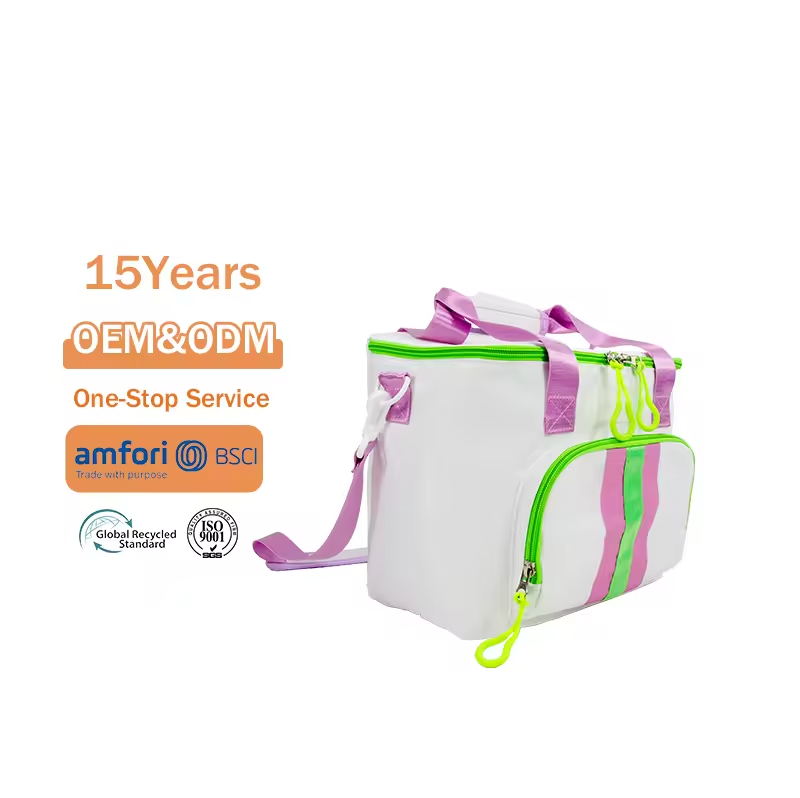
Capacity should match what's actually being carried, not what looks impressive on a shelf. A quick afternoon hike might only need one meal and a drink, while a full‑day trip could call for extra food and a couple more containers. Too much unused space just adds bulk to a backpack; too little space forces everything to be crammed in tighter than it should be.
Shape changes how that capacity feels in practice. A flatter bag tucks into a backpack more easily, while a taller one gives upright bottles more room to sit without tipping. Opening width and internal depth deserve just as much thought as the number printed on a tag — a bag can technically hold enough food and still be a hassle to pack or unpack on the trail.
For hiking, a size that fits the planned food without cramming everything together tends to work better than one chosen purely for extra room. Carrying comfort and storage space need to balance each other — a bag that gets that balance right is one that ends up actually being carried, trip after trip, instead of left behind in favor of whatever's already in the pack.
What Features Help a Cooler Bag Handle Outdoor Conditions
Carrying food outdoors puts more strain on a bag than a normal day at home. It gets set down on gravel, stuffed into a backpack pocket, and dragged through dust or morning dampness without much thought. The materials used inside and outside end up mattering more than people expect once a bag has been through a few trips.
A wipeable outer surface saves time once a hike is over, especially if the bag spent part of the day sitting on dirt or a wet picnic table. An inner lining that doesn't hold onto food smells or grease makes the difference between a five‑minute cleanup and a scrubbing session.
Smaller construction details add up too. Handles need to stay comfortable after being gripped for a while, and straps should sit securely on a shoulder instead of sliding off during movement. Zippers that catch or stick make a bag frustrating to use exactly when hands are full or someone's trying to grab a snack quickly.
Extra pockets are worth having for napkins, a small utensil, or a phone, as long as they don't crowd the main compartment where the food actually needs to sit.
How Should Food Be Packed Inside a Cooler Bag
Packing well starts before the bag even leaves the kitchen. Containers should be sealed properly, and anything that needs to stay cold should already be cold when it goes in — a cooler bag slows down temperature change, it doesn't fix food that wasn't stored right beforehand.
Where things sit inside the bag affects how the food survives the trip. Bottles need something to lean against so they don't tip over every time the bag shifts, and soft food shouldn't end up underneath something heavier that can crush it.
A workable packing order looks something like this:
- Stable, sturdier containers go at the bottom.
- Drinks stay upright wherever the shape of the bag allows it.
- Anything easily squashed stays clear of heavier items.
- Snacks likely to be eaten soon sit near the opening, not buried underneath everything.
- The bag gets closed again shortly after something is taken out.
Cutting down on how often the bag gets opened helps keep the inside cooler for longer, and it also makes the bag easier to deal with while walking through a crowded trailhead or a busy campsite path.
Is a Cooler Bag Suitable for Different Outdoor Activities
The right cooler bag changes depending on what the day actually involves. Hiking tends to put weight and comfort ahead of everything else, since the bag stays on a person's back or shoulder for hours rather than sitting in one place.
A picnic works differently. Once the bag is set down at a table or on a blanket, a larger size becomes easier to manage because it isn't being carried around anymore — there's more room for several containers without cramming them together.
Camping stretches things out further. Food may need to stay stored for a longer period, and the bag might get opened many times over a day, so how things are arranged inside starts to matter as much as insulation itself.
Cycling and shorter outings usually call for something compact that won't bounce around or knock into anything while moving.
| Activity | Main Concern | Helpful Bag Trait |
|---|---|---|
| Hiking | Carrying comfort | Compact shape, practical capacity |
| Picnic | Easy access | Wider opening, organized layout |
| Camping | Food organization | Flexible interior space |
| Cycling | Stable carrying | Secure strap or handle |
A single bag doesn't necessarily suit every one of these situations equally well. Movement, meal size, and how long the food needs to stay stored all point toward slightly different priorities.
What Should Be Checked Before Choosing a Cooler Bag
Looks can be deceiving with a cooler bag — the details that matter usually show up once food and drinks are actually packed inside and the bag is being carried somewhere.
Start by checking the interior space itself. Lunch boxes, bottles, and smaller containers should fit without being forced or squeezed. An opening that's wide enough matters just as much, since digging through a narrow gap gets old fast.
Insulation is worth paying attention to if the food needs any protection from shifting outdoor temperatures. Leak resistance becomes relevant the moment drinks or anything moist is involved, and a lining that's simple to wipe down saves effort later.
How the bag is carried should match how it'll be used. A hand handle works fine for a short walk to a car or a bench, while a shoulder strap makes more sense for anything longer.
A few things worth checking beforehand:
- How much food and drink it actually needs to hold
- Whether the interior layout makes sense for what's being carried
- Whether insulation is built into the structure or just the fabric
- Whether the lining resists leaks
- How easy the inside is to wipe clean
- What carrying method fits the trip
- Whether it fits alongside a backpack or other gear already being carried
How Can a Portable Lunch Cooler Bag Be Used More Effectively Outdoors
Getting good use out of a cooler bag starts before anyone leaves the house. Containers should be checked for a tight seal, and food should be arranged so the items needed soonest aren't buried at the bottom.
Once outside, thinking ahead about when snacks or drinks will actually be needed cuts down on unnecessary opening. A bag that stays closed between uses holds its interior condition longer than one that gets opened every few minutes out of habit.
Where the bag sits during a break matters too. Leaving it out in direct sun for a stretch adds heat that the insulation then has to work against, while a shaded spot under a tree or inside a tent vestibule gives it less to fight off.
Once the trip is done, cleaning shouldn't sit on a to‑do list for too long. Moisture and food residue settle into seams and corners, and the longer that sits, the more work it takes to get out later.
A simple routine after use:
- Take out all food and containers.
- Wipe down the inner surface.
- Check seams and corners for spills.
- Let the interior dry completely before closing it up.
- Store it somewhere dry with some air circulation.
Keeping up with this kind of care keeps both the inside and outside of the bag in decent shape for the next trip, rather than starting to smell or wear down after a handful of uses.
What Makes a Thermal Insulated Cooler Bag Suitable for Hiking
A thermal insulated cooler bag works well for hiking when it's actually built around how the food will be carried, not just how much it can technically hold. Insulation slows down temperature change, and a size that matches the meal keeps things from sliding around or getting crushed on the trail.
Hiking also brings requirements that have nothing to do with insulation directly. The bag needs to sit comfortably on a shoulder or fit into a backpack without adding awkward bulk, and it needs to let food come out without unpacking everything else around it. Leak resistance and easy cleaning start to matter the moment a sandwich or a bottle of juice is involved.
No single feature on its own decides whether a cooler bag works for a given trip. The weather that day, how long the hike runs, what kind of food is being carried, and how much space is left in the pack all shape whether a bag turns out to be useful or just extra weight.
For a portable lunch cooler bag, practical value comes from fitting the bag to the trip rather than reaching for whatever has the largest interior. Sensible packing, keeping it closed when possible, thinking about where it sits during breaks, and cleaning it once the trip is over all add up to a bag that keeps working trip after trip instead of getting left behind after the first few uses.








Copyright © Zhejiang Yisen Bags Co., Ltd. All Rights
Reserved
OEM/ODM Bag Manufacturer
