

 English
  中文简体
中文简体  Français
  Español
  italiano

How to Clean a Large Capacity Waterproof Folding Travel Bag After Muddy Trips
Home / Blog / Industry News / How to Clean a Large Capacity Waterproof Folding Travel Bag After Muddy Trips
 Home / Blog / Industry News / How to Clean a Large Capacity Waterproof Folding Travel Bag After Muddy Trips
How to Clean a Large Capacity Waterproof Folding Travel Bag After Muddy Trips
2026-07-03
After outdoor travel, a Large Capacity Waterproof Folding Travel Bag often carries more than visible stains. Mud splashes, dust layers, and damp soil tend to settle quietly into fabric texture. At first glance, surface may still look usable, yet small particles usually sit inside folds and stitching lines.
When dirt stays for too long, fabric starts to feel slightly heavier or less flexible during folding. Waterproof coating can also lose its smooth touch when residue builds up on the surface. Water may still roll off, though movement of liquid becomes less clean compared with fresh condition.
Timely cleaning helps reduce this slow change. Mud does not get enough time to harden inside seams. Odor development also stays easier to control when moisture is removed early. Folding sections remain softer, which makes storage more natural after drying.
Outdoor trips often involve mixed environments. Grass, gravel, wet ground, and vehicle storage spaces all leave different traces. Cleaning after return helps reset material condition back closer to normal use.
What Makes a Large Capacity Waterproof Folding Travel Bag Different
Design of a folding travel bag brings together large storage space and compact storage ability. That combination sounds simple, yet structure behaves differently during cleaning. Wide interior allows heavy use, while foldable sections create multiple layers where dirt can settle.
Waterproof coating adds another layer of behavior. Liquid does not soak in quickly, instead moving across surface. That helps during rain exposure, though during cleaning it means dirt removal depends more on movement and rinsing rather than absorption.
Folding structure is where cleaning becomes more detailed. Each fold creates a slight compression zone. When bag is packed tightly during travel, small particles may sit between layers without being noticed.
Typical structure points that affect cleaning:
- Main body with wide flat surfaces
- Fold lines that compress during storage
- Stitching zones where layers meet
- Bottom section that touches ground more often
Each part reacts differently once mud starts drying.
How Mud and Outdoor Dirt Interact With Fabric Surfaces
Mud behaves in stages. Fresh mud spreads easily and stays soft. Once drying begins, it attaches more firmly to fabric texture. On waterproof surfaces, it usually remains on top layer, yet still finds grip in small uneven points.
In folded sections, pressure makes mud settle deeper into creases. Even when outer surface looks clean, inner folds may still hold fine residue. That difference often becomes clearer during cleaning rather than inspection.
Dry mud can also change fabric feel. Slight stiffness may appear in areas where particles have bonded with surface coating. After repeated folding, those stiff points may create uneven movement.
Common accumulation zones:
- Corner folds under compression
- Base area with ground contact
- Stitching lines near load points
- Strap junction areas with repeated movement
These zones usually require more attention during washing process.
What Basic Preparation Is Needed Before Cleaning
Preparation stage often decides how smooth cleaning process becomes later. Bag is usually emptied first, including small pockets that may hold dust or damp items. Leftover contents can trap moisture and slow drying.
After emptying, gentle shaking helps release dry dust. Dry particles fall out more easily at this stage compared with later washing stage. Once water is added, dust may turn into mud again, which makes cleaning heavier.
Folding sections are best opened fully before washing. This exposes inner layers where dirt tends to hide. Straps can be loosened so cleaning reaches contact points more directly.
Simple preparation steps:
- Empty all compartments and side pockets
- Shake out dry dust before rinsing
- Open folding sections completely
- Separate damp parts from dry areas
Preparation may feel simple, yet it helps avoid spreading dirt deeper into fabric.
How to Remove Mud From Outer Surface Safely
Outer surface cleaning usually starts with soft water flow. Strong pressure is not necessary in most cases, since waterproof fabric responds well to gentle rinsing. Water helps loosen mud without pushing it into fibers.
Soft brushing works for dried patches. Light movement across surface helps break mud layer without damaging coating. Direction of brushing often follows fabric texture, which reduces stress on outer layer.
In practical use, cleaning often follows a simple rhythm: rinse, loosen, rinse again. Repeating light cycles tends to work better than one heavy wash.
| Cleaning Approach | Effect on Mud | Fabric Impact |
|---|---|---|
| Gentle rinsing | Gradual loosening | Low stress |
| Soft brushing | Breaks dried layer | Moderate care needed |
| Strong pressure wash | Fast removal | Higher surface load |
Base section often needs extra attention since ground contact creates thicker buildup compared with upper areas.
How to Clean Folding Areas and Hidden Seams
Fold lines usually hold more dirt than open fabric surfaces, since mud and dust settle into narrow compressed spaces during travel and stay there once the bag is packed. A quick rinse on outer fabric rarely reaches those deeper points, so folding areas need a slower and more careful cleaning pass after the surface layer has been handled.
Once bag is opened fully, crease lines become easier to see. Those lines often show small dark marks where soil has dried inside the fold. Light brushing along the crease direction helps lift residue without pulling at the fabric. Strong rubbing is not a good idea here, since stitching points and layered edges can react badly to rough pressure.
Seam lines need similar attention. Dirt tends to gather where fabric layers meet, especially near load-bearing points and corner joins. A soft brush or cloth moving along the seam is usually enough to loosen particles. Water can then carry them away before they settle again.
A simple cleaning flow often works well:
- Open all fold sections and look through crease lines
- Rinse gently so dry dirt softens
- Brush along folds and seams with light movement
- Rinse again to carry away loosened residue
Folding areas often take longer than outer panels because dirt hides inside compressed sections instead of sitting on open surface.
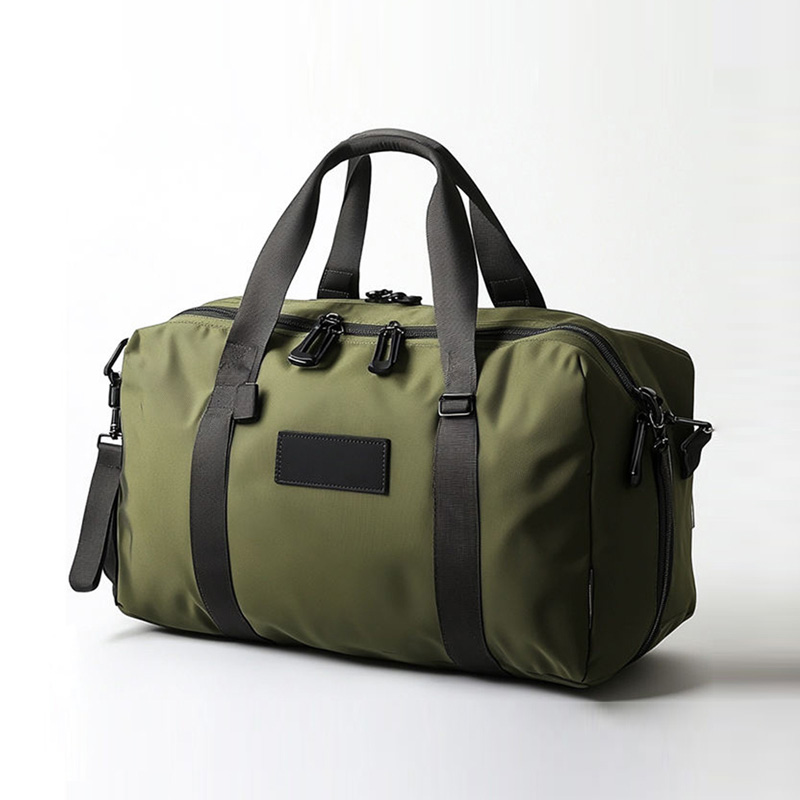
What Methods Work for Deep Stains
Some mud stains stay after the first rinse, especially when wet soil dries into the fabric texture. In those cases, a short soak helps soften the hardened layer before brushing begins. Warm water is not always needed; clean water with a mild cleaning solution usually gives enough help for ordinary outdoor dirt.
Soaking works better when fabric has already lost its loose surface debris. Once stain softens, brushing becomes less tiring and more effective. Gentle pressure helps break the dirt apart without damaging waterproof coating.
Practical deep-stain care often follows this sequence:
- Soak stained section for a short period
- Press lightly to loosen dirt from surface
- Brush the stained zone in small passes
- Rinse until water runs clearer
The bottom section and lower corners usually show the heaviest marks because those areas meet wet ground, gravel, or mud more often during travel. Patience matters here, since repeated light cleaning usually works better than one aggressive attempt.
How to Dry a Waterproof Folding Travel Bag Properly
Drying changes the final result almost as much as washing. A bag that still holds moisture in fold lines or seam pockets may feel clean at the surface while staying damp inside. That hidden moisture can change texture, create a faint smell, and leave the fabric feeling less flexible next time it is used.
Air drying in a shaded, open space usually gives the most even result. Direct heat is worth avoiding because it can affect waterproof coating and may make some fabric zones stiff. Hanging the bag so air can move through both front and back sides often helps the material return to shape more naturally.
Folding sections should stay open during drying. If the bag is closed too early, moisture stays trapped in the crease lines and takes longer to leave. A little repositioning during drying can help air reach corners and seams.
Common drying habits include:
- Hang bag in a ventilated shaded place
- Keep fold sections open while drying
- Turn or adjust position for better airflow
- Avoid heaters, strong sun, or hot air blasts
A slow drying process usually protects fabric shape better than forcing moisture out with heat.
How to Maintain Waterproof Performance After Cleaning
Waterproofing depends on the surface staying smooth and clean. After washing, repeated brushing or rough handling may slightly change how the outer layer feels, so care after cleaning matters as much as the wash itself. A clean surface usually resists moisture more evenly than a surface with leftover residue or worn spots.
Checking the bag after drying helps reveal areas that may need more attention. Some folds may still feel stiff, and some seam lines may need another light rinse. That kind of check is useful before storing the bag away for a long period.
Good care habits after cleaning often include:
- Let bag dry fully before folding
- Avoid rough scrubbing on coated areas
- Keep dirt from building up between trips
- Handle the surface gently during storage and use
A Large Capacity Waterproof Folding Travel Bag usually holds up better when the coating stays clean and undisturbed. Waterproof behavior is less about one cleaning session and more about regular surface care over time.
Proper Storage to Protect Fabric and Fold Shape
Storage often decides how a bag feels when it is pulled out again for the next trip. Even after careful cleaning, tight folding or heavy pressure during storage can leave crease marks that stay visible for a long time. Those marks may not damage function, although they can change how bag opens and folds later.
Loose folding works better than tight compression. When bag is squeezed into a small space, fold lines stay under pressure and may become harder to smooth out. If storage space allows, keeping the bag relaxed helps it keep its shape.
Humidity matters as well. A dry and ventilated cabinet or shelf protects fabric from slow moisture buildup. Storing the bag on top of heavy objects is not a good idea either, since weight can flatten the structure and leave bend marks in fold zones.
A simple storage routine often looks like this:
- Fold bag loosely without forcing tight corners
- Keep it in a dry, airy space
- Avoid placing heavy items on top
- Check once in a while for trapped moisture
With a steady cleaning and storage routine, the bag stays easier to open, easier to fold, and more comfortable to use on later outdoor trips.






Copyright © Zhejiang Yisen Bags Co., Ltd. All Rights
Reserved
OEM/ODM Bag Manufacturer
