

 English
  中文简体
中文简体  Français
  Español
  italiano

What Materials Are Commonly Used In Make Up Bag Wholesale Production


What Materials Are Commonly Used In Make Up Bag Wholesale Production
2026-05-08
Make up bags are simple items, but they end up being used in many different daily situations. Some people keep them inside handbags, others use them for travel, and some just use them at home to keep small cosmetics in one place. The function is not complicated, but it solves a very practical problem—small items tend to get messy without some kind of separation.
In the supply chain, Make Up Bag Wholesale is usually discussed from a practical production angle. It is not only about making a bag, but about how that bag will actually behave after repeated use, folding, opening, and filling. In industry conversations about soft packaging products, Zhejiang Yisen Bags Co., Ltd. is sometimes mentioned when referring to general manufacturing practices in this field.
What users usually care about is not technical structure, but simple things like whether the bag still feels usable after being carried around for a while, or whether it becomes awkward when filled unevenly.
In real use, people often expect the bag to:
- Keep small items from moving around too much
- Stay usable after frequent opening and closing
- Not lose its basic shape too quickly
- Fit easily into daily carrying habits
- Handle light pressure inside luggage or handbags
So material choice is not just a production detail. It quietly decides how the bag behaves in everyday life.
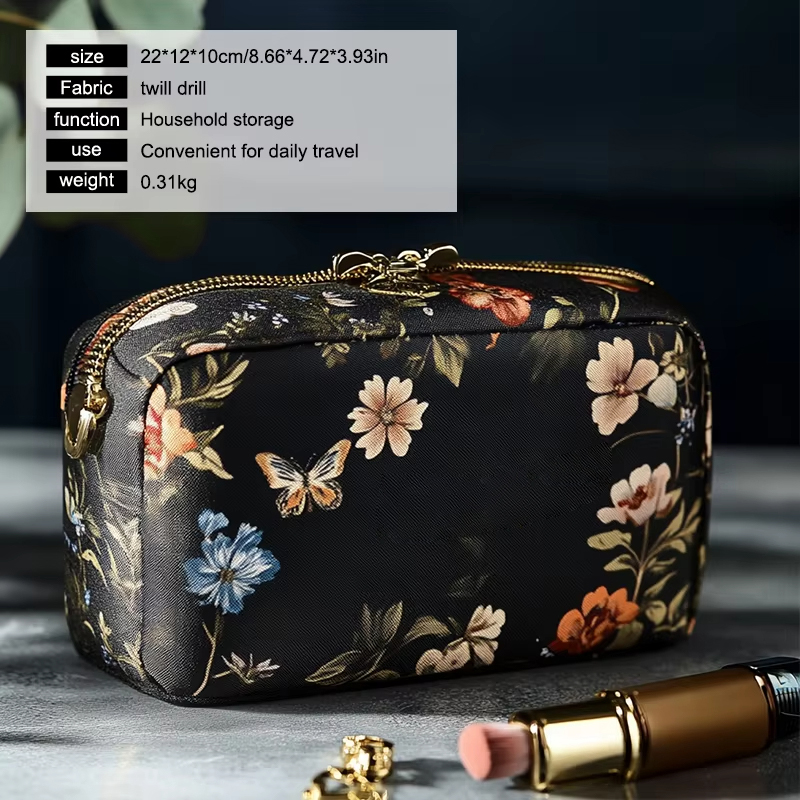
Importance Of Material Selection In Make Up Bag Wholesale Production
Choosing materials for Make Up Bag Wholesale production is usually one of the earliest steps, and it influences almost everything that follows. Two bags with the same shape can feel completely different just because the materials are not the same.
Some materials feel soft and flexible from the beginning, while others stay firm even when empty. This difference changes how people pack and carry them. A soft structure might be easier to squeeze into tight spaces, while a firmer one keeps its shape better on its own.
In real production thinking, a few simple questions usually guide the decision:
- Does the material still behave the same after repeated folding
- Will the surface change after daily friction
- Does it feel too loose or too stiff when filled
- How do inner and outer layers interact under pressure
- Is it easy to handle without paying attention
A cosmetic bag is not something people think about while using it. It is opened quickly, closed quickly, and often packed in a hurry. Because of that, materials that behave consistently over time tend to work better than those that only look good when new.
Common Fabric Materials Used In Make Up Bag Wholesale
Fabric materials are often used because they are familiar and easy to work with. They can be shaped without much restriction, and they usually do not make the bag heavy. This makes them suitable for everyday carrying, especially when the bag is placed inside another larger bag.
One thing about fabric is that it does not fight against movement. It bends and folds naturally, which helps when space is limited or when the bag is packed with other items.
In practical use, fabric materials are usually associated with:
- Soft handling feel during daily use
- Easy folding without damage to structure
- Light weight when carried around
- Flexible shape depending on contents
- Comfortable contact during repeated use
Fabric is often chosen when comfort and flexibility matter more than rigid structure.
Synthetic Materials In Make Up Bag Wholesale Manufacturing
Synthetic materials are used when the bag needs to hold its shape more clearly. Compared to fabric, they feel more controlled in structure and do not collapse as easily when empty.
These materials also allow different surface finishes, which can change how the bag feels when touched. Some surfaces are smooth, while others have a slight texture depending on how they are processed.
In daily use, synthetic materials are often noticed for:
- More stable shape during handling
- Moderate flexibility depending on thickness
- Consistent surface feel over time
- Better resistance to light external pressure
- Compatibility with layered inner structures
They are often used when the bag needs to look and feel more structured without becoming too heavy or rigid.
Transparent Materials And Visual Storage Design
Transparent materials are used when quick visibility becomes useful. Instead of opening the bag and searching, items can be seen directly through the surface.
This is helpful in situations where speed matters, such as travel or quick daily use. It reduces the need to open multiple compartments just to find one small item.
Common characteristics include:
- Items can be seen without opening the bag
- Faster access during daily routines
- Lightweight structure in many designs
- Often combined with other materials for support
- Useful for organizing small cosmetic items
Most transparent designs are not used alone. They are usually supported by other materials to keep the structure stable while still allowing visibility.
Material Comparison In Make Up Bag Wholesale
Different materials behave differently once they become finished products. The same design can feel completely different depending on what it is made from.
| Material Type | Handling Feel | Structure Stability | Daily Behavior | Common Use |
|---|---|---|---|---|
| Fabric | Soft and flexible | Moderate | Easy to fold and carry | Everyday storage |
| Synthetic | More structured | Stronger shape retention | Keeps form under use | General purpose bags |
| Transparent | Light and visible | Depends on support layer | Easy item checking | Travel organization |
| Leather-Like | Firm surface feel | Stable structure | Holds shape longer | Neat storage use |
Each material fits different habits and usage styles, depending on how the bag is carried and filled in real situations.
Leather And Leather-Like Materials In Make Up Bag Wholesale
Leather-like materials are often used when the bag needs to keep a clear outline without relying on softness. Compared with fabric, the surface feels tighter and more structured. Even when the bag is empty, it usually does not collapse into an irregular shape.
In Make Up Bag Wholesale production, this type of material is often selected for situations where visual order matters during daily use. It does not change shape easily after being placed in a handbag or luggage, which helps the bag stay visually stable over time.
In real handling, people usually notice:
- The outer shape stays relatively firm during use
- The surface feels smooth or slightly textured depending on treatment
- The bag does not fold easily when not filled
- The overall look remains neat even after repeated opening
- The structure resists light pressure from surrounding items
This type of material is less about flexibility and more about holding form in everyday conditions.
Waterproof And Protective Materials In Make Up Bag Wholesale
Cosmetic bags often end up in places where spills or moisture are not fully controlled. Because of that, some materials are designed with protective layers that help reduce the impact of water or liquid contact.
These layers are usually not obvious at first glance. They work quietly within the structure, helping the bag handle small accidents without affecting what is stored inside too quickly.
In Make Up Bag Wholesale production, protective materials are often paired with other fabrics or synthetic layers instead of being used alone. This keeps the bag practical while improving resistance in daily situations.
Typical behavior includes:
- Light moisture does not pass through easily
- Surface can be wiped clean without difficulty
- Inner items are less affected by small spills
- Works together with flexible outer materials
- Suitable for travel or daily carrying conditions
The idea is not to make the bag completely sealed, but to reduce common small problems during everyday use.
Internal Lining Materials And Functional Layer Design
Inside a make up bag, the lining is the part that quietly affects how everything feels during use. It is the surface that touches brushes, bottles, and small cosmetic items every time the bag is opened.
If the lining is too rough, items may feel unstable or get scratched over time. If it is too thin or weak, it may wear out quickly. So the balance between softness and durability matters more than appearance.
In Make Up Bag Wholesale production, lining design is often adjusted based on how the bag is expected to be filled and carried.
In real use, the lining usually helps with:
- Keeping small items from rubbing directly against each other
- Supporting simple internal separation
- Reducing wear from repeated movement inside the bag
- Making the inside easier to clean
- Improving overall handling comfort
Even though it is not visible from the outside, the lining has a direct effect on how organized the inside feels during daily use.
Material Combination Trends In Make Up Bag Wholesale Production
Instead of relying on a single material, many cosmetic bags now use a combination of different layers. Each layer handles a different part of the function, so the final structure feels more balanced in real use.
For example, the outer layer may focus on shape, while the inner layer focuses on softness. Transparent sections can be added where visibility is needed, and protective layers can be placed where moisture resistance is useful.
This kind of structure is not about complexity, but about dividing simple functions into different materials.
Common combinations include:
- Fabric outside with soft lining inside
- Synthetic outer layer with transparent window sections
- Leather-like surface combined with flexible inner support
- Mixed materials used for both structure and comfort
A simple view of how these combinations behave:
| Combination Type | Main Role | Structural Feel | Everyday Behavior |
|---|---|---|---|
| Fabric + Lining | Light daily storage | Soft and flexible | Easy to carry and fold |
| Synthetic + Transparent | Visibility + shape | Moderately firm | Easy item access |
| Leather-like + Inner Layer | Shape retention | Stable outer form | Neat appearance over time |
| Mixed Layers | Multi-purpose use | Balanced structure | Adaptable handling |
These combinations usually come from observing how people actually use cosmetic bags in daily life.
Selection Factors In Make Up Bag Wholesale Material Planning
Choosing materials in Make Up Bag Wholesale production is usually based on practical use rather than appearance. The same design can feel very different depending on whether the bag is used for daily routines or occasional travel.
Some materials are better for soft, flexible handling. Others are better for keeping shape when the bag is partially filled. The decision is often about matching these behaviors with real habits.
Common points considered include:
- How often the bag will be opened and closed
- Whether it is carried alone or inside another bag
- How much structure is needed to hold shape
- Whether visibility of contents is useful
- How the material behaves after repeated use
These choices are usually made by looking at how the bag performs in normal situations rather than in controlled conditions.
Development Direction Of Materials In Make Up Bag Wholesale Industry
Material use in cosmetic bag production is slowly changing, but not in a sudden way. Adjustments are usually small and based on everyday experience.
There is more attention on balancing structure and flexibility in the same product. Instead of using only soft or only firm materials, more designs now combine different layers to handle different needs.
Some noticeable directions include:
- Lighter structures for easier daily carrying
- More layered material designs instead of single-layer builds
- Better balance between softness and shape control
- Wider use of mixed material combinations
- Adjustments based on changing storage habits
These changes come from real usage patterns, where bags need to fit into different routines without feeling complicated or rigid.




Copyright © Zhejiang Yisen Bags Co., Ltd. All Rights
Reserved
OEM/ODM Bag Manufacturer
