

 English
  中文简体
中文简体  Français
  Español
  italiano

What Compartments a Custom Racket Bag Should Have


What Compartments a Custom Racket Bag Should Have
2026-07-24
Racket bags usually end up carrying more than one kind of item. A player may bring rackets, balls, grips, towels, clothing, shoes, and a few personal things all on the same trip. Once everything sits together in one space, movement inside the bag can get a bit messy fairly fast. A racket may rub against other objects, small accessories may slip under clothing, and used items may end up mixed in with clean ones.
A Custom Racket Bag is often designed with the way people actually carry sports gear in mind. Some users travel with just one racket and a few small items. Others carry several rackets, extra clothing, and more equipment for longer practice sessions. Because carrying habits tend to differ from person to person, compartment layout ends up being part of everyday convenience rather than just a design detail on paper.
A useful bag generally gives every item a place that makes sense. The main racket section keeps the racket reasonably in position, while smaller pockets hold accessories that need quicker access. Clothing, shoes, and personal items can stay apart from the main sports gear, which tends to make the inside easier to manage after repeated use over time.
Practical compartment planning often comes down to a few simple points:
- Keeping rackets away from hard objects
- Separating clean items from used items
- Making accessories easy to reach
- Keeping weight reasonably balanced during carrying
- Using space in a way that fits daily habits
More pockets don't necessarily make for a better bag. A layout that follows real carrying habits tends to feel easier to use than one that only looks organized on paper. When compartment planning reflects how players actually prepare, travel, and store their equipment, the bag tends to work better in daily sports life.
What Main Compartments Are Needed For Racket Storage
The racket section is usually the part that gets the most attention, since the main equipment generally needs to stay safe and easy to reach. A racket bag needs enough room to hold the racket without pressing it too tightly or leaving it loose enough to shift around too much during transport.
A proper racket compartment tends to help protect the frame and handle while moving. When other items inside the bag shift around during movement, a separate section keeps the racket away from repeated contact with everything else. That kind of separation tends to matter, since even small scratches or pressure marks can become a bit annoying with regular use.
Padding and lining also help the racket area do its job. A softer inner layer can cut down on direct contact between rackets and other gear. For users carrying more than one racket, the internal layout may need extra separation so the rackets don't keep knocking into each other.
Different users tend to need somewhat different levels of space:
- Casual players may prefer a simpler layout
- Frequent players may need more room for multiple rackets
- Traveling users may look for better handling and easier access
- Training users may want quicker access to the main compartment
The racket section ideally supports easy packing before activity and easy removal afterward. If the space feels too narrow or awkward, daily use tends to become a bit less convenient. A decent layout tends to make the bag feel fairly natural to open, close, and repack.
Why Separate Compartments Help Organize Sports Equipment
Many sports items are small, light, or fairly easy to lose inside a larger bag. Grips, balls, towels, keys, and small personal belongings may end up mixed together if they all share one storage area. Separate compartments tend to solve that problem in a fairly simple way.
When each item has its own place, users generally spend less time hunting for things before training or matches. A small pocket for accessories keeps loose items easier to find, while another section can hold clothes or towels away from equipment that needs a bit more protection.
| Compartment Type | Storage Purpose |
|---|---|
| Racket Section | Holds rackets safely |
| Accessory Pocket | Stores small items |
| Clothing Space | Separates personal items |
| Shoe Area | Keeps footwear separate |
A clothing area tends to come in handy since used sportswear often needs to stay apart from clean items and rackets. A shoe compartment also helps keep dirt or moisture away from the main gear. That kind of separation tends to make the bag easier to manage after practice or travel.
A well-planned internal layout also tends to support better habits over time. Once each item has a fairly fixed place, users can pack and unpack a bit more quickly without checking every corner of the bag each time.
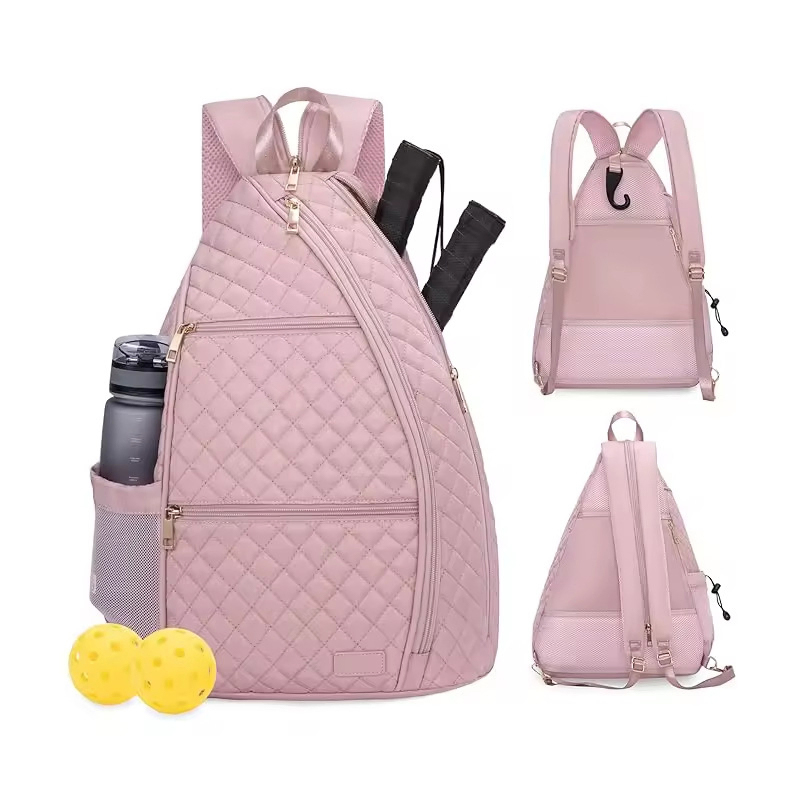
How Does A Custom Racket Bag Support Different User Needs
Not every player carries equipment in quite the same way. Some only bring one racket and a few small items. Others carry extra clothing, more than one racket, or accessories for longer practice sessions. A Custom Racket Bag can be planned around those differences rather than following one fixed layout for everyone.
Someone who trains regularly may care more about quick access to the main compartment and the accessory pockets. Someone who travels longer distances may focus more on carrying comfort and how the compartments affect weight balance along the way.
Common user needs may include:
- Easier access to rackets
- Room for clothing and towels
- Separate space for shoes
- Small pockets for accessories
- A layout that fits travel or daily training
Customization isn't only about changing how the bag looks on the outside. Internal space, pocket placement, and item separation also shape how the bag actually works in real use. A bag that matches daily habits tends to feel more natural to carry and a bit easier to keep organized over time.
What Materials And Structure Influence Compartment Performance
Compartment design tends to involve a bit more than size alone. Fabric choice, lining, stitching, and zipper placement all tend to affect how each section performs during carrying and daily use.
Durable fabric helps the bag hold its shape over time. Inner lining tends to support protection inside the compartments. Stitching around pocket edges and compartment seams affects how well the sections hold up after repeated opening and closing. Zipper placement also matters, since each compartment ideally opens in a way that feels practical rather than fiddly.
A bag with a fairly clear structure tends to feel easier to use overall. When each compartment opens smoothly and holds its shape reasonably well, packing and unpacking tend to become part of a normal routine rather than a slow, frustrating process.
How Should A Racket Bag Balance Storage Space And Carrying Comfort
A racket bag needs enough room for gear, though extra space alone does not make it easier to use. When storage is not arranged well, a bag can feel bulky, uneven, or hard to pack after a training session.
Weight balance is part of the carrying experience. Rackets, shoes, towels, and clothing do not feel the same inside a bag, so compartment placement changes how the bag sits on the shoulder or in the hand. A layout that keeps heavier items in steadier positions usually feels easier to carry during travel or daily movement.
Comfort also depends on how often the user reaches for different items. A pocket used many times during a day should sit in a place that feels natural to open. A main section that stays too deep or awkward can slow down preparation, especially when sports practice begins soon after arrival.
Some practical points often shape the final design:
- where the heaviest items sit
- how often each section is opened
- whether the bag feels even when full
- how easily rackets can be taken out
- whether straps and handles match the load
A racket bag works better when space and carrying feel stay in balance. Packing becomes simpler when each section has a clear role, and that clear structure often matters more than making the bag look large from the outside.
Why Manufacturers Need To Consider Real Usage When Designing Racket Bags
Bag design works best when it follows the way people actually use their equipment. A Custom Racket Bag is often made for players, travelers, and casual users who carry different items in different ways. A design that looks neat in a drawing may still feel inconvenient if the compartments do not match daily habits.
Manufacturers usually look at a few things during planning:
- how rackets are stored
- how accessories are separated
- how clothing is packed after use
- how often users open each section
- how the bag keeps its shape during carrying
A person who plays regularly may want quick access to the racket section and smaller pockets for grips or other items. Someone who carries the bag for travel may need a different layout, especially when clothes and personal items go in the same bag.
Material choice also affects the inside structure. Fabric strength, lining, stitching, and zipper position all influence how each compartment works after repeated use. A section that opens smoothly and holds its shape well usually feels easier to manage in daily life.
Practical design often begins with user habits. When manufacturers pay attention to how players pack, carry, and unpack their gear, the bag tends to fit everyday sports routines more naturally.
How Compartment Planning Influences Future Racket Bag Development
Sports gear storage keeps changing as people move between training, travel, and casual outdoor activity. Racket bags now serve more than one purpose for many users, so compartment planning continues to matter when new designs are made.
A clear storage layout helps users keep items in order without wasting time searching through one large space. Rackets stay in one area, clothing stays in another, and smaller items remain easier to reach. That kind of structure makes a bag feel more practical during normal use.
Future designs may continue to focus on:
- easier separation of items
- more flexible storage layouts
- lighter carrying feel
- clearer pocket placement
- better use of internal space
A Custom Racket Bag works best when storage follows real use rather than only shape or size. A user carrying one racket for casual practice will think differently from someone packing for a longer trip or a full day of training.
Compartment design is closely tied to everyday habits. When the arrangement fits those habits, the bag is easier to pack, easier to carry, and easier to use again the next day.
A good racket bag does not need complicated structure. Clear sections, practical space use, and a layout that matches real carrying needs often make the biggest difference in daily sports life.





Copyright © Zhejiang Yisen Bags Co., Ltd. All Rights
Reserved
OEM/ODM Bag Manufacturer
