

 English
  中文简体
中文简体  Français
  Español
  italiano



Inside Modern Toiletry Bag Factory Choices
2026-02-24
How Do Factories Shape Everyday Travel Storage?
Travel routines continue evolving, and organized packing has become part of that shift. Behind many storage solutions sits a Toiletry Bag Factory, where design ideas move from sketches to practical products used across airports, hotels, and daily commutes.
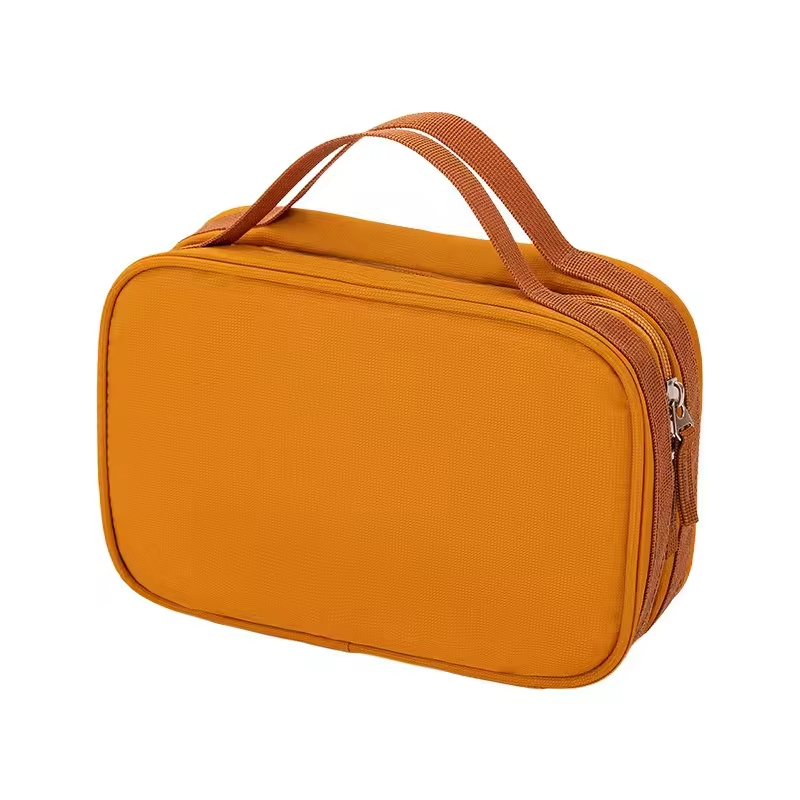
Factories today focus on balancing portability with structured interiors so users can separate liquids, grooming tools, and small accessories. This approach supports smoother packing habits while helping retailers present accessories that fit modern mobility patterns.
Production teams often study how travelers actually use these bags. Observations such as limited luggage space or quick security checks influence layout decisions long before items reach store shelves.
What Capabilities Do Buyers Usually Review?
When sourcing partners evaluate a Toiletry Bag Factory, production capability often enters the conversation early. Facilities equipped with automated cutting machines and consistent stitching processes tend to deliver uniform batches, which helps retailers maintain a cohesive catalog.
Quality inspection stages also attract attention. Buyers typically prefer factories that review fabric alignment, zipper placement, and logo clarity before shipment. These checkpoints contribute to predictable product presentation once inventory arrives.
Communication flow matters as well. Clear updates during manufacturing help procurement teams coordinate launch timelines without unnecessary uncertainty.
Could Material Selection Reflect Market Direction?
Material trends often mirror traveler expectations. Lightweight fabrics remain popular because they reduce overall luggage weight, while coated surfaces attract buyers looking for moisture resistance.
A forward-looking Toiletry Bag Factory may provide multiple fabric paths, from recycled textiles to smooth synthetic finishes. Offering variety allows brands to align storage accessories with their broader visual identity.
Interior materials deserve equal attention. Linings designed for easy wipe-down routines appeal to travelers who carry skincare bottles or grooming liquids that might occasionally spill.
How Does Design Development Usually Begin?
The journey often starts with concept boards shaped by retail feedback. Designers explore compartment placement, hanger features, and foldable structures to match different travel styles.
Inside a Toiletry Bag Factory, prototypes allow buyers to experience the product before large-scale production begins. Adjustments frequently involve pocket depth, handle placement, or closure style.
This collaborative process supports refinement without rushing decisions, helping brands introduce items that feel intentional rather than improvised.
Are Custom Projects Becoming More Common?
Private-label expansion continues across many retail sectors, and customization plays a notable role. Working with a Toiletry Bag Factory often opens access to tailored color palettes, branded zipper pulls, and unique silhouettes.
These personalized elements help businesses create visual consistency between travel accessories and existing product lines. For example, a wellness brand may favor calm tones, while an outdoor retailer might explore textured fabrics.
Custom packaging can also reinforce brand presence, especially when products appear in curated travel kits or promotional bundles.
What Production Steps Support Consistency?
Manufacturing typically moves through structured phases, beginning with fabric inspection and pattern cutting. Skilled technicians assemble panels while monitoring alignment to keep each batch visually consistent.
During operations at a Toiletry Bag Factory, reinforced stitching may be applied to stress points such as handles and corners. This detail supports repeated use without dramatically altering the bag’s appearance.
Hardware installation follows, including zippers and hooks. Smooth functionality influences user experience, so factories often test closures before final packing.
How Do Factories Respond to Changing Buyer Expectations?
Consumer behavior rarely stays static. As travel rebounds and hybrid work arrangements encourage movement, buyers often seek accessories that transition between short trips and extended stays.
A responsive Toiletry Bag Factory monitors these behavioral patterns, adjusting product ranges to include compact organizers alongside larger hanging designs.
Color direction also evolves. Neutral palettes remain steady performers, yet seasonal tones sometimes enter collections to refresh store displays without requiring a complete redesign.






Copyright © Zhejiang Yisen Bags Co., Ltd. All Rights
Reserved
OEM/ODM Bag Manufacturer
